


Cyberattacks rarely arrive with flashing warning signs. Instead, attackers often hide inside normal business activity. A familiar login can become an entry point. A trusted device can suddenly become dangerous. Meanwhile, malicious activity can spread before security teams notice. That is why modern businesses need more than traditional antivirus protection. They need continuous visibility, behavioral analysis, automation, and intelligent threat detection.
The leading cybersecurity companies are responding to this challenge in different ways. Some specialize in endpoint protection. Others focus on networks, cloud environments, identities, or security analytics. However, the strongest platforms increasingly connect these areas together.
In 2026, effective threat detection means understanding context. Security teams must know what happened, where it started, and what happened next. They also need to respond before a suspicious event becomes a serious breach. Below are several major cybersecurity companies shaping modern threat detection.
1. Check Point: Building Visibility Across the Entire Security Environment
Check Point Software Technologies has built its reputation around network and security infrastructure. Its modern approach extends well beyond traditional firewall protection. The company provides security capabilities across networks, cloud systems, endpoints, mobile devices, and email. This broader coverage can help organizations create a more connected security environment. Threat intelligence also plays an important role in Check Point’s strategy. Security teams can use intelligence about emerging threats to improve detection and prevention.
Sandboxing adds another layer of protection. Suspicious files can undergo analysis before they reach critical systems. Behavioral detection also helps identify activity that looks unusual.
For example, a compromised account might suddenly access unfamiliar resources. That activity can become an important warning signal. Check Point can therefore appeal to organizations seeking centralized security controls. Its broad ecosystem can also reduce gaps between individual security products.
2. CrowdStrike: Turning Endpoint Activity Into Actionable Intelligence
CrowdStrike has become a major name in endpoint security. Its Falcon platform focuses heavily on endpoint detection and response. Instead of examining files alone, endpoint detection examines activity around those files. Security teams can investigate processes, connections, user actions, and system behavior. That context becomes especially valuable during ransomware incidents. Attackers often perform several actions before encryption begins. Detecting those earlier steps can provide valuable response time. CrowdStrike also emphasizes cloud-based security operations.
This approach can help organizations process large amounts of security information. It can also support rapid updates as new threats emerge. Another important capability involves attack investigation.
Security analysts need more than isolated alerts during an incident. They need an understandable sequence of events. Attack timelines can help analysts identify entry points and attacker movement. That information can also support remediation after an incident.
3. Palo Alto Networks: Connecting Network, Cloud, and Endpoint Security
Palo Alto Networks has expanded significantly beyond its firewall origins. The company’s security portfolio now covers networks, cloud infrastructure, endpoints, and security operations. Its Cortex platform represents an important part of this broader strategy. The platform can combine security signals from different sources. This helps analysts investigate incidents from multiple perspectives. Consider an employee account showing suspicious behavior. A network alert alone may not explain the situation. Endpoint activity may reveal another important clue. Cloud activity could then reveal unauthorized access to sensitive resources. Connecting these signals can create a more complete incident picture.
This approach becomes increasingly important as companies operate hybrid environments. Organizations now combine office networks, public clouds, SaaS applications, and remote devices.
Therefore, security tools must work across these different environments. Palo Alto Networks can be particularly attractive for organizations seeking broad security consolidation.
4. Microsoft: Turning Identity and Cloud Data Into Security Signals
Microsoft occupies a unique position in cybersecurity. Millions of organizations already use Microsoft 365, Azure, Windows, and related services. That ecosystem generates enormous amounts of security information. Microsoft Defender products can use these signals to detect suspicious activity. Identity protection is particularly important in modern security strategies. Attackers increasingly target credentials instead of relying only on traditional malware. A stolen password can provide access without triggering traditional antivirus warnings.
However, unusual login patterns can reveal potential account compromise. Security teams can examine device activity, identity behavior, email threats, and cloud events. This connected approach can improve detection across Microsoft environments. Microsoft Sentinel also provides security information and event management capabilities.
It can help organizations collect and analyze security data from multiple sources. For companies already invested in Microsoft technologies, this ecosystem can offer significant advantages. It may also reduce the complexity of deploying completely separate security platforms.
5. SentinelOne: Making Automated Endpoint Response More Practical
SentinelOne focuses heavily on autonomous endpoint security. Its platform combines endpoint protection, detection, investigation, and response capabilities. Automation remains one of its most important characteristics. Security teams cannot manually investigate every suspicious event. That problem becomes more serious when organizations operate thousands of devices. Automated response can therefore provide valuable protection during high-speed attacks. A security platform may isolate a compromised endpoint or terminate malicious activity.
It can also help reduce the time between detection and containment. This capability matters during ransomware attacks. Ransomware can move quickly once attackers gain access to important systems.
Fast containment can limit the number of affected devices. SentinelOne also provides investigation capabilities for understanding attack behavior. That combination can benefit organizations with limited security staffing.
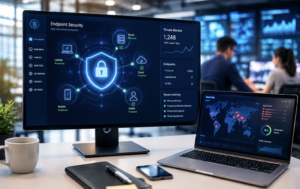
6. Cisco and Splunk: Turning Massive Data Volumes Into Security Intelligence
Cisco strengthened its cybersecurity portfolio through its acquisition of Splunk. Splunk has long been associated with security information and event management. Its technology can collect data from networks, applications, endpoints, cloud services, and other systems. That information becomes useful when security teams need to investigate complex incidents. Raw logs alone rarely tell a complete story. Correlation can connect events that appear unrelated at first.
For example, an unusual login might seem harmless. However, connecting it with endpoint changes and unusual network traffic can reveal a larger problem. Security teams can also create customized detection rules.
This flexibility helps organizations adapt detection to their own environments. The Cisco and Splunk combination also creates opportunities for broader security visibility. That integration can become valuable for organizations already using Cisco infrastructure.
7. Darktrace: Looking for Behavior That Breaks the Normal Pattern
Darktrace takes a behavior-focused approach to threat detection. Traditional detection often depends on known indicators. However, new attacks may not match existing signatures. Behavioral analysis provides another way to identify suspicious activity. Darktrace technology focuses on learning patterns across digital environments. It can then identify activity that appears unusual. A normally quiet device might suddenly communicate with unfamiliar destinations. A user might access systems outside their usual responsibilities.
A service could also begin transferring unusual amounts of information. These changes may indicate compromise. Behavior-based detection can therefore complement traditional security controls.
However, unusual does not always mean malicious. Security teams must investigate alerts within the correct business context. Proper tuning can help reduce unnecessary alerts and improve analyst efficiency.
8. The New Priority: Identity Threat Detection
Modern cybersecurity cannot focus only on devices. Attackers increasingly target identities, credentials, privileged accounts, and access permissions. A legitimate account can become extremely dangerous after compromise. That makes identity threat detection an essential security capability. Organizations should monitor unusual login locations and access patterns. They should also watch privilege changes and unexpected authentication behavior. Multi-factor authentication adds another defensive layer.
However, organizations should not treat MFA as a complete security solution. Attackers continue developing methods for bypassing or abusing authentication systems. Identity analytics can therefore provide additional visibility.
Security teams can identify behavior that differs from established user patterns. This approach helps connect identity events with endpoint and network activity.
9. Cloud Security Is Becoming Central to Threat Detection
Cloud adoption has changed the security landscape dramatically. Applications now run across public clouds, private infrastructure, and hybrid environments. Developers also create resources faster than traditional security teams can manually review them. Misconfigured cloud resources can create serious security weaknesses. Excessive permissions can create another major problem.
Cloud security platforms can monitor configurations, identities, workloads, and data access. They can also identify risky behavior across cloud environments.
Therefore, cloud detection should become part of an organization’s wider security strategy. Ignoring cloud activity can create major visibility gaps.
10. Security Automation Is Changing the Analyst’s Role
Security operations teams often face thousands of alerts. Human analysts cannot investigate every alert with equal attention. Automation helps prioritize important events. It can also perform repetitive response actions.
For example, automated workflows can investigate indicators or isolate suspicious systems. This allows analysts to focus on complex investigations. Artificial intelligence is also influencing security operations.
Modern platforms can analyze enormous volumes of telemetry quickly. However, organizations should still maintain human oversight. Automation works best when organizations combine technology with experienced security teams.
Why Threat Detection Needs More Than One Security Tool
No cybersecurity company can eliminate every security blind spot. Every platform has strengths and limitations. Endpoint tools provide detailed device visibility. Network tools reveal communication patterns. Cloud tools provide insight into workloads and permissions. Identity systems reveal authentication and account behavior.
Meanwhile, SIEM and XDR platforms can connect these different signals. That connection is becoming increasingly important. Attackers rarely remain inside one security layer. They may compromise an identity before accessing an endpoint.
Then, they can move through the network and target cloud resources. A fragmented security environment can struggle to connect these events. A connected detection strategy can reveal the bigger picture.
How to Choose the Right Cybersecurity Company
Choosing a cybersecurity provider should begin with your biggest security gaps. First, identify which assets need the most protection. Then, examine your existing security infrastructure. Check whether a new platform integrates smoothly with your current tools. Also, consider detection speed and response automation. A platform that generates thousands of alerts may overwhelm a small security team.
Therefore, prioritize useful detection over excessive notifications. You should also evaluate investigation capabilities. Security teams need clear evidence when analyzing suspicious activity. Scalability matters as well.
Your security platform should support future growth without creating unnecessary complexity. Finally, examine vendor support and security expertise. Technology matters, but effective implementation matters just as much.
The Future of Cybersecurity Threat Detection
Threat detection will continue moving toward behavioral and context-aware security. Attackers are becoming better at avoiding traditional signatures. Therefore, security platforms must understand activity rather than simply recognize files. Artificial intelligence will likely increase automation across security operations. Identity protection will also become more important.
Meanwhile, cloud environments will remain a major security priority. Organizations will increasingly seek platforms that connect these different security layers. The strongest cybersecurity strategies will not depend on one product.
Instead, they will combine visibility, intelligence, automation, and human expertise. That combination can help businesses respond before suspicious activity becomes a damaging breach.
Conclusion
The cybersecurity landscape has become faster, broader, and more complicated. Leading companies are responding with deeper visibility and stronger detection capabilities. Check Point, CrowdStrike, Palo Alto Networks, Microsoft, SentinelOne, Cisco, Splunk, and Darktrace offer different strengths.
However, the best choice depends on your organization’s specific security requirements. Businesses should focus on visibility, integration, response speed, and scalability.
They should also identify their biggest blind spots before purchasing another security tool. Ultimately, effective threat detection is about seeing meaningful signals early. When security teams can understand those signals, they can respond with greater confidence.
Frequently Asked Questions
1. What is threat detection in cybersecurity?
Threat detection identifies suspicious activity that could indicate an attack or security breach.
2. Which cybersecurity company is best for threat detection?
The best provider depends on your infrastructure, security goals, budget, and existing technology.
3. Why is endpoint detection important?
Endpoint detection helps identify suspicious processes, connections, and behaviors occurring on devices.
4. What is XDR in cybersecurity?
XDR connects security signals across multiple environments to provide broader threat visibility.
5. Why does behavioral analysis matter?
Behavioral analysis can identify unusual activity that traditional signature-based detection might miss.
6. Is Microsoft good for business cybersecurity?
Microsoft provides extensive security capabilities for organizations using its identity, cloud, endpoint, and productivity ecosystem.
7. What does a SIEM platform do?
A SIEM platform collects and analyzes security data from multiple sources for detection and investigation.
8. Can automation stop cyberattacks?
Automation can quickly contain certain threats, but it cannot eliminate every cybersecurity risk.
9. Why is identity security becoming important?
Compromised credentials can provide attackers with legitimate access to sensitive business resources.
10. Should businesses use multiple cybersecurity tools?
Businesses often need multiple security capabilities because different tools provide visibility across different environments.
11. What should companies consider before choosing a security vendor?
Companies should evaluate detection quality, integration, automation, scalability, support, and total security coverage.