

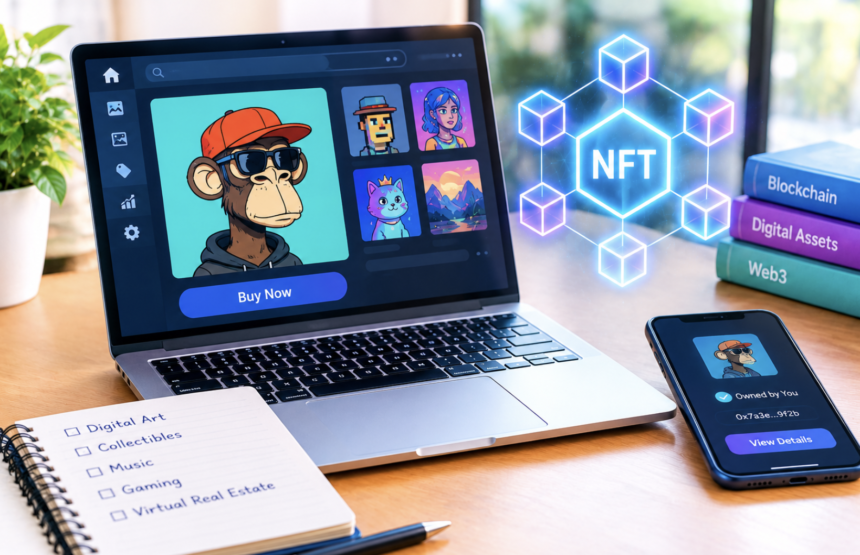
Non-fungible tokens generated enormous public attention and speculation during their peak popularity, followed by considerably reduced mainstream interest as market enthusiasm cooled, leaving many people uncertain about what this technology actually involves or whether it retains any lasting significance beyond that earlier speculative period.
Understanding how NFTs actually work technically, and honestly evaluating their ongoing relevance, provides balanced, useful context for this often misunderstood technology.
What NFTs Actually Are
Non-fungible tokens, commonly abbreviated as NFTs, are unique digital certificates recorded on a blockchain that represent ownership or authenticity of a specific digital or, sometimes, physical item. Unlike cryptocurrencies such as Bitcoin, where each individual unit is interchangeable with any other unit of the same cryptocurrency, NFTs are specifically designed to be unique, non-interchangeable tokens, hence their “non-fungible” terminology.
Understanding this uniqueness distinction matters, since it explains NFTs’ fundamental technical purpose, providing a way to represent and verify ownership of specific, unique digital items using blockchain technology’s inherent transparency and tamper-resistant record-keeping, addressing a technical challenge that previously made verifying authentic digital ownership considerably more difficult.
The Technical Mechanism Behind NFTs
How NFTs actually function technically on a blockchain helps clarify how this technology actually achieves its stated goal of representing unique digital ownership.
- NFTs exist as entries recorded on a blockchain, providing a transparent, verifiable ownership record
- Each NFT contains unique identifying information distinguishing it from every other token
- This blockchain record allows anyone to verify an NFT’s ownership history and authenticity
- This technical foundation helps clarify what NFTs actually provide beyond simply digital images or files
This ownership verification deserves particular emphasis, since the core technical value NFTs provide involves creating a transparent, tamper-resistant record specifically establishing who owns a particular unique digital item at any given time, addressing a technical challenge that previously made verifying authentic ownership of purely digital items considerably more difficult compared to physical items with more straightforward, traditional ownership verification methods.
The Distinction Between an NFT and the Underlying Digital Asset
Understanding an important, often misunderstood distinction between the NFT token itself and the actual underlying digital content it represents helps clarify a common source of confusion regarding this technology.
- The NFT itself represents a blockchain record of ownership, not necessarily the actual digital file
- The underlying digital content, like an image, often exists separately from the blockchain record itself
- This distinction means purchasing an NFT provides ownership of this specific token, not necessarily exclusive rights to the content
- This nuance helps clarify some confusion and criticism that emerged during NFTs’ peak popularity period
This separation between token and content deserves particular emphasis, since this technical nuance created considerable public confusion during NFTs’ peak popularity, given that many purchasers may not have fully understood that owning a specific NFT does not necessarily prevent others from viewing, copying, or even using the same underlying digital image, meaning the actual value NFTs provide centres specifically on verified ownership record rather than exclusive access to or control over the underlying digital content itself.
Why NFT Speculation Declined From Peak Popularity
The factors contributing to reduced NFT market speculation and mainstream attention following their earlier peak popularity helps provide honest, balanced context for this technology’s actual market trajectory.
- Much of the earlier NFT market activity reflected speculative trading rather than lasting, practical utility
- Broader cryptocurrency market conditions affected overall enthusiasm and available speculative capital
- Growing public understanding of the token versus content distinction tempered some earlier misunderstandings
- This decline reflects normal market cycle dynamics rather than necessarily indicating complete technological failure
Ongoing Practical Applications for NFT Technology
Understanding the specific, practical applications where NFT technology continues finding meaningful use, beyond the speculative trading that dominated earlier public attention, helps clarify this technology’s actual continuing relevance.
- Verifying authenticity and provenance for digital art and collectibles remains a relevant application
- Some applications explore using NFTs for ticketing, providing verifiable, unique event access tokens
- Certain gaming applications use NFT technology for representing unique in-game items or assets
- Understanding these ongoing applications helps clarify that technical utility persists beyond speculative trading alone
This ticketing application deserves particular emphasis, since using NFT technology to represent event tickets provides some practical advantages over traditional digital tickets, including transparent verification of authenticity and ownership history, potentially helping address problems like ticket fraud or unauthorised resale that traditional ticketing systems sometimes struggle to fully prevent, representing one example of practical utility beyond simply speculative art or collectible trading.
The Environmental Considerations Historically Associated With NFTs
Environmental concerns historically associated with NFT technology, and how these concerns have evolved, provides important, balanced additional context relevant to this technology’s overall assessment.
- Earlier NFT technology often relied on blockchain systems associated with significant energy consumption
- This environmental impact drew significant criticism during NFTs’ peak popularity period
- Some blockchain systems have since transitioned toward more energy-efficient underlying technology
- This evolution provides important, context for evaluating NFT technology’s current environmental profile
Why NFT Technology Retains Long-Term Significance Despite Reduced Speculation
Why the underlying NFT technology retains meaningful long-term significance, even as speculative trading and mainstream attention have considerably declined, helps clarify a balanced, honest perspective on this technology’s actual lasting relevance.
- The underlying technical capability for verifying unique digital ownership remains valuable
- Reduced speculative attention does not necessarily indicate the underlying technology lacks continued utility
- Many significant technologies experience similar hype cycles before finding more measured, practical application
- This pattern helps provide realistic, balanced perspective on NFT technology’s actual ongoing relevance
How NFT Technology Relates to Broader Digital Identity Concepts
How NFT technology connects to broader, ongoing discussions about digital identity and credential verification helps illustrate this technology’s potential relevance extending beyond simply art or collectibles alone.
- Some exploration involves using similar blockchain-based verification for credentials or certifications
- This application area represents a different, though technically related, use case compared to digital art
- This broader potential helps clarify why some technologists remain interested in this underlying technology
- This connection illustrates how underlying blockchain verification concepts can extend beyond their original popular application
Practical Questions Worth Asking Before Any NFT Purchase
Practical questions worth asking yourself before actually purchasing any NFT helps translate this balanced understanding into more informed, cautious personal decision-making.
- Consider whether you understand what specific rights and ownership the purchase actually provides
- Evaluate whether you are purchasing based on interest or primarily speculative price appreciation hope
- Research the reputation and track record of the specific platform or marketplace involved
- This honest self-questioning helps ensure any NFT-related decisions reflect informed, deliberate choice
How NFT Marketplaces Vary in Legitimacy and Security
NFT marketplaces vary considerably in their legitimacy, security practices, and overall reputation helps clarify an additional, important consideration for anyone actually engaging with this technology.
- Established, reputable marketplaces typically implement stronger security and verification practices
- Newer or less established platforms may carry additional risk regarding security and legitimate authenticity
- Researching a specific marketplace’s track record before engaging represents sensible, practical due diligence
- Understanding this variation helps inform more cautious, informed choices about where to actually engage with NFTs
Final Thoughts
NFTs use blockchain technology to create verifiable, unique digital ownership records, with the earlier period of intense speculative trading and mainstream attention having considerably declined while practical applications in areas like authentication, ticketing, and gaming continue developing more quietly.
Understanding both how this technology actually works and its honest, balanced current relevance helps provide realistic perspective beyond either the earlier speculative hype or the more recent, sometimes dismissive scepticism this technology has encountered following its peak popularity period.
Frequently Asked Questions
1. Are NFTs still worth purchasing as an investment?
This involves significant speculative risk and uncertainty, and financial advice generally cautions against treating NFTs primarily as investment vehicles given historical volatility and uncertain long-term value, making any purchase decision warrant careful, informed consideration rather than assuming guaranteed appreciation.
2. Does owning an NFT prevent others from copying the associated digital image?
No, this represents one of the more common misunderstandings about this technology, since the underlying digital content often remains accessible and copyable by others, with the NFT itself specifically representing verified ownership record rather than exclusive content control.
3. Is NFT technology still being actively developed despite reduced mainstream attention?
Yes, development continues within various practical application areas including gaming, ticketing, and authentication use cases, even as the broader speculative trading market that dominated earlier public attention has declined considerably from its peak activity levels.
4. Do all NFTs require the same blockchain technology historically associated with high energy consumption?
No, various blockchain systems exist with different underlying technical approaches, and some have transitioned toward more energy-efficient methods, meaning current environmental impact varies considerably depending on which specific underlying blockchain technology a particular NFT actually uses.
5. Can NFT technology be used for purposes beyond digital art and collectibles?
Yes, the underlying technology has potential applications across various areas requiring verified unique ownership records, including ticketing, gaming assets, and potentially other areas requiring this kind of transparent, tamper-resistant ownership verification capability.
6. Should someone unfamiliar with cryptocurrency bother learning about NFT technology?
This depends on your specific interests, though having at least basic understanding of this technology provides useful context for understanding broader blockchain technology developments, even if you have no personal interest in actually purchasing or trading NFTs yourself.