

Few household bills cause as much confusion as the TV Licence, partly because the rules have not kept pace with how people now watch television. Paying when you do not need to wastes money, while watching without a licence when you need one is a criminal offence.
In this article we will discuss what the licence covers, how streaming and catch-up services fit in, who needs a separate licence in shared homes, which concessions exist, and how to check your own position and deal with letters, visits and scam messages.
A TV Licence covers watching live television and BBC iPlayer
A TV Licence is a legal permission to watch or record television programmes as they are being broadcast, and to use BBC iPlayer. The money raised mainly funds the BBC, and the scheme is run on its behalf by TV Licensing, which handles applications, payments, refunds and enforcement. The licence is needed across England, Scotland, Wales and Northern Ireland, and the rules are the same in each. The Channel Islands and the Isle of Man have their own arrangements, so readers there should check locally.
The key phrase is live television. If you watch a programme at the same time as it is being shown on any channel, whether through an aerial, satellite, cable or the internet, you need a licence. This applies to every provider, including UK channels and many overseas ones, and it applies whatever the device, such as a television, a laptop, a tablet, a phone or a games console. The type of equipment does not matter, only what you are watching and when.
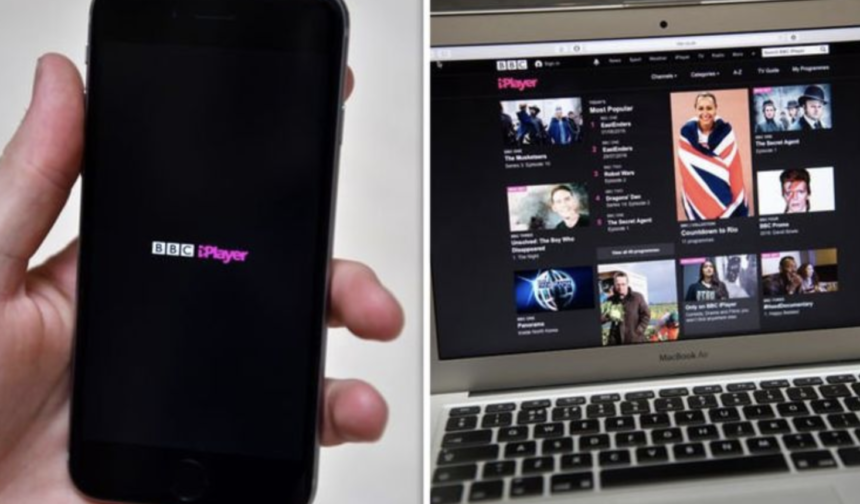
The second trigger is BBC iPlayer. Since the rules were changed, a licence is needed to watch or download any BBC programme on iPlayer, including catch-up programmes that have already been shown. That means a household that never watches live television can still need a licence if anyone uses iPlayer. It is the single most common reason that people who think they are exempt find that they are not.
Recording is covered too. If you record a live programme to watch later, you need a licence at the time of recording, and you cannot avoid the rule by watching the recording after the broadcast. It is also worth knowing that the licence is held by a person for an address, not for each television or each person. One valid licence normally covers every device in the household used by people living there, which makes it cheaper than it might sound. You should always confirm the current cost and any changes on GOV.UK.
Many readers ask what counts as a television programme in the first place. In general, it means a programme service that is broadcast or streamed to many people at the same time, with a schedule set by the broadcaster. A film you buy on disc or a video you watch from your own library is outside the rule, as are most video calls and security camera feeds. Where the line is unclear, the official site has plain-language examples, and it is better to check than to guess.
Streaming and catch-up services follow different rules

Many people assume that any streaming service needs a licence, but the position is more specific. Subscription services that offer only on-demand programmes, and do not show live television, normally do not need one. Watching a film or a series on such a service, at a time you choose, is generally outside the licence rules. The same applies to videos on sharing sites, as long as you are not watching a live broadcast of a television channel.
Catch-up services from non-BBC broadcasters are treated differently from iPlayer. Watching a programme on demand from another channel’s player after it has aired does not normally require a licence, though watching the same channel live does. This difference catches people out, because the apps can look similar and sit side by side on the same device. If you are unsure, check the wording on the service itself or on the TV Licensing website before you rely on an assumption.
Live streams need extra care. Some on-demand apps and websites also show live events, such as sport, news or a live feed of a channel, and watching these live means you need a licence. A live sports stream on a subscription service can count if it is a live television broadcast, even if the rest of the service is on demand. If a service lets you watch an event as it happens, treat it as live viewing and check whether your licence is in place.
Devices that move around raise another question. A laptop or tablet running on its own battery, and not plugged into the mains, may be covered by the licence at your home address, but only while that licence is valid and the device is used within the rules. Plugged in at another address, such as a friend’s house or a hotel, it is a different matter and the rules for that address apply. The detail is technical, so read the current guidance on the official site before you rely on it.
It helps to build a habit of looking at the label on each screen. If an app shows a channel guide with times, a live badge or a countdown, you are probably watching live television. If it offers a library of programmes that you pick yourself, it is probably on demand. Children and visitors can start a live stream without realising, so it is worth explaining the rule to everyone in the household, especially when a new device or subscription arrives.
Households, lodgers and shared homes need separate checks

A licence covers a household at one address, which usually means people who live together and share facilities. If you live with family or with friends who share the kitchen and living areas, one licence normally covers everyone in the home. Problems arise when people in the same building live separately, because each separate household can need its own licence. The rules turn on how the home is divided, and the answer is not always obvious.
Lodgers and tenants with their own tenancy are the clearest example. If you rent a room and have your own lockable space, you may need your own licence even though the landlord has one. If instead you share living space with the landlord and pay rent as part of a household arrangement, you may be covered by their licence. Landlords who let several rooms or flats in a building should check carefully, because each unit can be treated separately.
Students are another group who often need advice. A student in halls who watches live television or uses iPlayer on a device plugged into the mains in their own room generally needs their own licence. A student who only uses a battery-powered device may be covered by a licence at their parents’ home, provided it is valid and the rules about not plugging in are followed. Because term-time arrangements change, students should check before they arrive, and they can often ask for a licence that runs only for the months they need.
Second homes, caravans and boats are also treated as separate places. If you watch television at a holiday home or caravan, you may need another licence, although there are specific arrangements for some situations and for people who are not at both places at once. Businesses and organisations have their own rules, which depend on how television is used and how many people use it. The table below sets out common situations to help you plan your checks.
| Situation | Likely position | What to check |
| Family home, one household | One licence covers the home | That the licence is in the name of someone living there |
| Lodger with a separate tenancy | May need their own licence | Whether the room is a separate unit |
| Student in halls | Often needs a licence for the room | Whether devices are used on battery or plugged in |
| Holiday home or caravan | Can need a separate licence | How the place is used and by whom |
| Only on-demand services, no iPlayer | Normally no licence needed | That you never watch live
programmes |
Landlords have a practical interest here too. If you let rooms, tell tenants in writing whether a licence is included in the rent and who is responsible for any separate licence. Do not assume that the licence you hold for your own living space covers tenants who have their own front door or lockable room. A clear note at the start of a tenancy avoids arguments, and it protects both sides if TV Licensing writes to the property and asks who lives there.
If your living arrangements change, review the licence promptly. A student who moves out of halls, a lodger who leaves, or a couple who separate can all affect who needs a licence and at which address. Tell TV Licensing as soon as the change happens, and ask in writing if any refund or transfer is possible. Leaving it until a reminder arrives can mean paying twice or finding that someone is unlicensed without realising it.
Concessions depend on age, health and living arrangements
There are concessions for people in certain situations, and they can reduce the cost or remove it entirely. Because the eligibility rules and the amounts have changed in the past and may change again, you should confirm the current position on GOV.UK. The concessions are not automatic in every case, so a person who qualifies often needs to apply and provide evidence. Do not assume someone else has arranged it for you.
For older people, the main route in recent years has been a free licence for those aged seventy-five or over who receive Pension Credit, or who live with a partner who does. People who qualify normally need to apply, and TV Licensing may contact them to explain what to do. If you or a relative may be eligible, speak to Age UK, Citizens Advice or the Pension Service, because Pension Credit itself is often unclaimed and claiming it can unlock other help as well.
Blind and severely sight impaired people can usually claim a discount, and it applies to the licence for the household when the person is the licence holder or lives with the holder. You will normally need a certificate or similar evidence from an appropriate professional or registration process, and the arrangements can differ between the nations of the UK. Residents of some sheltered housing and residential care settings can also qualify for a concessionary licence, which depends on the type of accommodation and the person’s age. Ask the warden, the care provider or the landlord how this works at your address.
If you think you might qualify, collect the documents first. These might include proof of age, evidence of benefits and a certificate relating to your sight. When you apply, ask what happens to any money you have already paid, because refunds or adjustments may be possible in some cases. If you are refused and think the decision is wrong, ask for the reasons in writing and consider raising a complaint.
Care homes and housing providers often hold useful information. If you or a relative live in sheltered accommodation, ask the manager whether a group arrangement or concession applies, and whether it covers your own room. Do not assume that a payment you make as part of your rent includes the licence. Keep a copy of any letter that confirms a concession, because you may be asked for it again when your circumstances change or the licence is renewed.
If someone you know is older or less confident with forms, offer to help with the application. A simple phone call or a visit to a local advice centre can make the process far less daunting. Age UK and similar charities can often explain the steps and may help you fill in the paperwork. Keep an eye on the dates, because some concessions need to be renewed or reviewed, and a missed letter can leave a person paying a full fee they did not need to pay.
Checking your own situation takes only a few minutes
The simplest way to settle the question is to ask yourself four things. Do you or anyone in the home watch live television on any channel and on any device, do you watch or download anything on BBC iPlayer, do you record programmes as they are broadcast, and is there anyone at the address who has a separate tenancy? If the answer to any of the first three is yes, you need a licence. If the fourth applies, check whether each household needs its own.
Next, look at how you really watch in practice, not how you think you watch. Open the apps on your phone, tablet, games console and smart television, and look at what is installed and what is used. Smart televisions often have several apps that offer live channels without the user noticing, and a child or visitor may use iPlayer without telling you. A short family conversation can save a lot of trouble later.
The official TV Licensing website has a short checker that asks about how you watch and tells you whether you need a licence. If you decide you do not need one, you can tell TV Licensing that, and it is worth keeping a note of the date and what you said. Be accurate and honest in what you state. If your habits change later, for example because you start using iPlayer or move to a home with an aerial, you must apply for a licence before you start.
If you do need a licence, buy it from the official source only. Websites that look official but charge extra for processing or offer a service that you can get free are best avoided. You can usually check an address on the official site, and a licence is shown against the address, not against a television. If you cannot tell whether a site is the real one, go to GOV.UK and follow the link from there instead of searching for a number or clicking on an advert.
If you are in doubt after using the checker, you can ask TV Licensing a question in writing or by phone, and keep a note of the answer. A written reply is useful evidence if you are later asked about your position. For complicated cases, such as a shared house, a holiday let or a student letting, Citizens Advice can help you read the guidance and decide what to say. Taking ten minutes to do this properly is far less stressful than sorting out a dispute months afterwards.
Paying, changing and cancelling a licence
There are several ways to pay, and the right one depends on how you manage money. Many people choose a monthly or quarterly direct debit, which spreads the cost and avoids a large bill, while others pay in full once a year, or use a payment plan that allows smaller regular payments. A budget approach can help, but be sure you know whether you are being charged any extra, and check the current options and terms on the official site. If you are struggling, ask about help with payment before you fall behind.
When you move home, you must tell TV Licensing your new address so that the licence follows you. Do this as soon as you know the date, and again when you move in, so that records are accurate. If you move in with someone who already has a licence, check whether yours is still needed, because one licence covers one household. A new tenant who inherits a property with an old licence should not assume the licence transfers, and should check who is named on it.
If you stop watching live television and stop using iPlayer, you can cancel your licence and apply for a refund for full months remaining. The rules and the notice period are set by TV Licensing, so read the current guidance carefully before you act. Only cancel once you are sure you no longer need it, because watching without one can lead to enforcement. It helps to keep a record of the date you stopped and the steps you took.
Retailers who sell televisions and certain devices generally pass on details of the sale to TV Licensing, so a new purchase may lead to a letter. This does not mean you have done anything wrong, and if you do not need a licence you can simply reply and say so. Do respond to letters, because ignoring them is the main reason people end up with visits or court papers. If you are unsure how to answer, Citizens Advice can help you word it.
Check your payments from time to time. If you pay by direct debit, make sure the account details are still correct, and look at your bank statement to confirm the amount and date. If your circumstances change so that you qualify for a concession, ask whether it can apply to the current licence period. If you pay the full amount in advance, ask what happens if you move or cancel partway through, because the rules on refunds depend on the time left on the licence and the policy at the time.
Enforcement and scams call for a calm approach
Watching or recording live television, or using iPlayer, without a required licence is a criminal offence across the UK. Cases are generally heard in the magistrates’ courts, or the sheriff court in Scotland, and the maximum penalty is a fine, with possible costs. Rules on enforcement have been debated for years, including whether the offence should remain criminal, so check for any change. Prosecution is not the first step, and TV Licensing normally sends letters before anything more serious happens.
Enforcement officers may visit homes that appear to have no licence. They do not have an automatic right to come in, and you are not obliged to let them in unless they have a warrant. You can speak to them at the door, tell them whether you need a licence, and ask them to leave if you wish. If you do need one, the simplest solution is to buy it, and if you do not, you can say so and explain how you watch.
Scam messages are very common. Fraudsters send emails and texts that claim your licence has expired, that a payment has failed, or that you are owed a refund, and they ask you to click a link and enter card details. Do not follow the link, and do not reply. Instead, log in to the official site by typing its address yourself, or call a number you have found independently.
If you have been caught out, contact your bank at once, because a prompt report can limit the damage. Report the fraud to Action Fraud, or to Police Scotland if you live in Scotland, and forward suspicious emails to the National Cyber Security Centre’s reporting service. If you have a complaint about how TV Licensing has treated you, start with its complaints process, then the BBC’s complaints procedure if you are not satisfied. Citizens Advice can help if the problem continues.
Dealing with a letter calmly is usually the best approach. Read it fully, note any dates, and reply in the way the letter asks, even if you believe it was sent in error. If you do not need a licence, say so clearly and describe how you watch, and if you do need one, buy it promptly. A person who is anxious, vulnerable or in debt can ask for extra support, and an adviser can speak to TV Licensing on your behalf. Keep copies of everything you send and receive.
Conclusion
Begin by writing down how everyone in your home watches television. Include live channels, iPlayer, recordings and any live streams on apps, and check each device. If any of these apply, you need a licence at your address, and if none do, you may be able to confirm that you do not. Use the checker on the official site or GOV.UK to confirm your conclusion, and keep a note of what you found.
If you need a licence, buy it from the official source and choose a payment method that suits your budget. If you share a home, decide who will hold the licence and check whether any lodgers, tenants or students need their own. If you may qualify for a concession, gather the evidence and apply before you pay a full fee you do not need to pay. Set a reminder to review your licence whenever you move, change how you watch or begin a new tenancy.
Finally, keep your guard up. Treat any message about your licence with suspicion until you have checked it through the official site, and never give card details in reply to an email or text. Keep letters and replies, and ask Citizens Advice if you feel pressured or unsure. For money worries more widely, MoneyHelper offers free, impartial guidance on budgeting and debt.
If you are advising a relative, especially an older one who may be targeted by scams, sit with them while they check their own licence and write down the steps. Show them how to find the official site themselves and agree a simple rule, such as never paying through a link in a message. That small routine protects their money and their peace of mind. It is also a good moment to check whether they might qualify for a concession or for other benefits they have not claimed.