

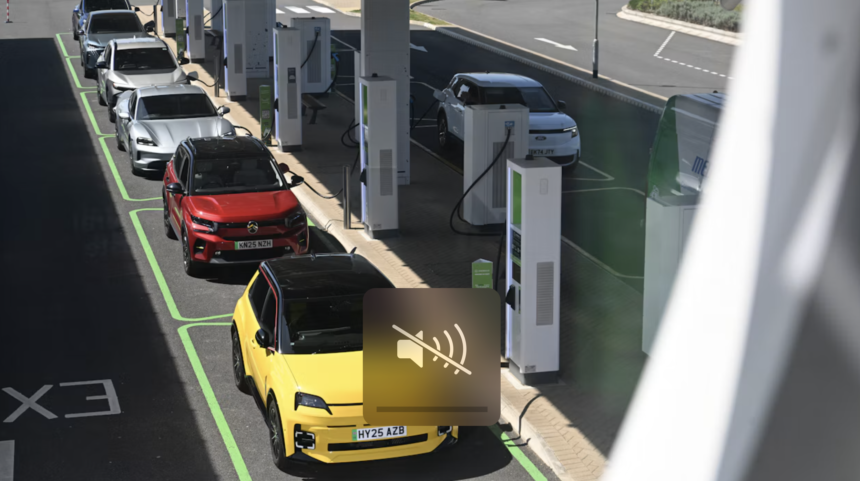
Britain’s showrooms have just recorded their biggest month ever for battery electric cars, which matters to anyone weighing up a new or used car. The figures also show how far the industry must still travel to meet the government’s zero-emission vehicle targets, which shape the discounts and choice buyers see.
In this article, we will explore the September numbers, how the mandate works, what the gap to target means for drivers, and a sensible order of choices if you are thinking of going electric.
September’s Record in Numbers
The headline comes from preliminary registration data published by the Society of Motor Manufacturers and Traders (SMMT) and reported by the trade site electrive in early October. According to that report, 99,199 new battery electric cars (BEVs) were registered in September 2026, a rise of 36.3 percent on the same month a year earlier and the largest monthly volume on record. That took the BEV share of the new car market to 28.3 percent for the month. The overall market was healthy too: 350,518 new cars were registered, up 12.1 percent, making it the strongest September since 2017.
Electric Cars and the Best Seller
September is one of the two big registration months of the year, because the number plate changes on 1 September and many buyers time their purchase to get the newest plate. That seasonal bulge is worth bearing in mind when you read any single monthly figure. A record in a peak month is encouraging, but it is not the same as a record run rate across a whole year, so it pays to read the monthly figure alongside the year-to-date picture.
According to electrive, the best-selling electric model of the month was the Tesla Model 3, with 9,929 registrations. That is a useful reminder that a single model can account for a visible slice of the electric total in a given month, and that rankings can swing from one month to the next as deliveries arrive and incentives change. For a buyer, a best-seller list tells you what is easy to find and likely to hold a healthy used market later, but it says little about whether it suits your journeys, your parking or your budget.
Plug-In Hybrids and Conventional Hybrids
The electric headline sits within a wider shift away from petrol and diesel. Plug-in hybrids (PHEVs), which have a battery you can charge from a socket plus a petrol engine, took 17 percent of the market in September and grew 55.7 percent, which electrive reports as their strongest month ever. Conventional hybrids, which charge themselves from braking and the engine and cannot be plugged in, were a bigger group in raw numbers at 45,838 units, but they fell 4.2 percent. Add BEVs, PHEVs and hybrids together and they made up 58.4 percent of new car registrations.
The distinction matters for the mandate. Only fully electric cars count towards the main zero emission target. Plug-in hybrids and conventional hybrids are popular, and they cut fuel use for many drivers, but they do not help a manufacturer meet the zero emission share in the way a battery electric car does. So a month in which plug-in hybrids have their best result is good news for the car market and for emissions in a broad sense, while still leaving the specific BEV target untouched.
Vans
Vans follow their own targets. SMMT figures reported by electrive show 4,832 battery electric vans registered in September, up 13.4 percent and a record, which gave BEVs a 9.6 percent share of the van market for the month. Those are encouraging numbers for a segment where buyers are businesses and sole traders making hard-nosed decisions about range, payload and charging at the depot or at home. Van targets are higher than the car equivalent, and the gap to them is wider, which we return to below.
It is also worth remembering what a registration is. It records a vehicle being put on the road for the first time, not an order placed or a car delivered to a showroom forecourt. Orders taken in the summer often turn into registrations in September, so the record partly reflects demand from earlier months.
That does not make it less real, but it explains why analysts look at several months together before drawing conclusions about the direction of the market. The table pulls the September figures together so you can compare them at a glance.
| Measure, September 2026 | Figure reported | Change on a year earlier |
| New battery electric cars | 99,199 | Up 36.3 percent |
| BEV share of new cars | 28.3 percent | Not stated |
| Total new car market | 350,518 | Up 12.1 percent |
| Plug-in hybrid share | 17 percent | Up 55.7 percent |
| Conventional hybrids | 45,838 | Down 4.2 percent |
| BEVs, PHEVs and hybrids combined | 58.4 percent of registrations | Not stated |
| Battery electric vans | 4,832 | Up 13.4 percent |
| BEV share of vans | 9.6 percent | Not stated |
Nine Months Into the Year
A single month tells you about a moment. The year-to-date figures tell you about the trend, and they are the ones the mandate is judged on. According to the same SMMT data, 454,945 battery electric cars were registered in the first nine months of 2026, up 30.2 percent. The BEV share of the new car market over that period was 26.2 percent, compared with 20.2 percent at the same point in 2025. That is a climb of six percentage points in a year, which is brisk by the standards of any car market, where buying habits normally move slowly.
The van picture over the same period is more modest. The BEV share of new vans stood at 10.8 percent over the first nine months. Vans are bought for work, resale values and uptime matter intensely, and a firm that depends on one vehicle to earn a living will be cautious about trying a new technology unless the numbers clearly stack up. Charging at a depot is straightforward for fleets that park in the same place each night, but harder for a self-employed tradesperson who parks on the street.
The next table sets the year-to-date figures beside the targets so the distance is easy to see. The target for cars and the target for vans are the 2026 figures reported by SMMT. The final column is simple arithmetic on the reported numbers, not an official figure.
| Measure | Year to date, first nine months | 2026 target | Simple gap |
| BEV share of new cars | 26.2 percent | 33 percent | 6.8 percentage points |
| BEV share of new vans | 10.8 percent | 24 percent | 13.2 percentage points |
Two cautions apply. First, the mandate is calculated on a full-year basis, so the first nine months are only a partial picture. Second, registrations data count vehicles sold to customers, whereas the mandate is applied to manufacturers and the way each firm’s performance is measured has detail that goes beyond a headline market share. The simple gap is still a fair guide to the scale of the task: the car gap is meaningful but reachable on a good final quarter, while the van gap is far wider.
How the ZEV Mandate Works
The zero emission vehicle (ZEV) mandate is a regulation that requires car and van manufacturers to sell a rising share of zero emission vehicles each year. In practice that means battery electric models, since there are almost no other zero emission models on sale to the public. The share a manufacturer must reach goes up on a published schedule, so what counts as a good result this year will not be enough next year. The aim is to give the industry a predictable ramp, so factories, dealers and the charging industry can plan well ahead.
The 2026 Targets
For 2026 the car target is a 33 percent BEV share of new car sales. For vans, the target is 24 percent, and according to SMMT van uptake is well short of that level. The Society’s chief executive, Mike Hawes, described September’s record performance as “a major achievement” while saying uptake “remains behind mandated targets”, and he added that the UK has “the world’s toughest targets and highest energy costs”. Those are the views of an industry body, and they reflect its lobbying position, but they are also a fair summary of the tension: the targets are ambitious, and the energy costs that sit behind electric motoring are a live concern for buyers.
What Happens if a Manufacturer Falls Short
Under the mandate, manufacturers that miss their share face penalties, but the system contains flexibilities designed to soften the blow. In general terms these have included the ability to bank and borrow credits between years, to trade credits with other manufacturers and to count certain efficient petrol and hybrid sales in a limited way. The details have been revised more than once since the scheme was announced, and I do not set them out here, so check the Department for Transport guidance for the current rules rather than relying on a summary.
What matters for ordinary buyers is the behaviour this creates. A manufacturer that is behind on its share has a strong incentive to sell more electric cars, and the quickest levers are price and availability. That can show up as discounts, finance deals, special editions or a shift in which models dealers stock. It is a plausible explanation for some of the offers you see, though no single deal can be traced to the mandate from the outside, and it would be wrong to assume every discount is a response to it.
Reading the Final-Quarter Arithmetic
SMMT has set out the challenge in blunt terms. On its outlook for a market of 2.183 million new cars this year, reaching a 33 percent BEV share would need around 265,000 more battery electric registrations in the final quarter alone. That is the figure to hold in your head when you read the optimistic headlines about September, because it shows how steep the final stretch is, even after a record month.
To see why, consider a deliberately simple illustration with invented round numbers. Suppose a market of 1,000 cars needed a 33 percent share, which is 330 electric cars. If 262 had been sold by the end of September, the remaining 68 would have to be sold in three months, which is a far higher share of the quarter’s sales than 33 percent. The real market is much larger, but the principle holds: when you are behind, the closing months have to run well above the target share to catch up. This is an illustration, not a forecast, and the real calculation depends on the final market size.
What Could Close the Gap
There are only a few ways the gap can narrow. Buyers could take up more electric cars, helped by the strong registration months that remain, by manufacturer discounts, by company car demand and by a good run of supply. The total market could turn out smaller than the 2.183 million used in the outlook, which would reduce the number of BEVs needed to hit a given share. Or the flexibilities in the mandate could absorb some of the shortfall, which is why a missed headline share does not translate straight into a penalty.
What It Would Not Mean
Missing the headline share in a calendar year would not mean that electric car sales were weak. They are up by 30.2 percent in the first nine months on SMMT’s figures, and the share is climbing. The mandate is a demanding schedule, and the question is whether the pace of growth matches the pace of the schedule. A record month that still leaves a large final-quarter task is consistent with both statements: the market is moving quickly, and the schedule is moving more quickly still.
SMMT publishes new registration figures in the first working days of every month, so the October numbers are due in early November. They will show whether the momentum from September carried through. Treat any single month with caution, because October is a quieter month than September in the new car calendar, and the final two months of the year tend to matter most.
Buyers Face a Market Shaped by Targets
If you are weighing up an electric car, the headline figures matter less than your own use. The questions that decide whether an electric car suits you are practical: where will you charge it, how far do you drive in a typical week, how often do you take long trips, and how long do you keep a car? Supply and price also play a part, and the mandate is one of several forces behind them, alongside manufacturer strategy, energy costs and consumer confidence, so treat any claim that a deal exists purely because of a government target with some caution. A strong market helps in one way, because competition and volume tend to bring more choice and sharper offers. It does not help if your parking is a shared street with no prospect of a charger.
New Versus Used
A new electric car gives you the full manufacturer warranty on the battery, the latest software and, in many cases, a finance offer that a manufacturer is keen to push. A used electric car gives you a lower purchase price and a car that has already taken its largest drop in value, but you inherit the history of the previous owner’s charging habits. As a general rule, the used electric market is growing as earlier waves of new registrations age into the second-hand market, which should widen choice, but I cannot give you used prices here because they move quickly.
When looking at a used model, ask for evidence of the battery’s condition rather than relying on the dashboard range estimate. Many cars can produce a battery health report through a dealer, and an independent check is worth the modest cost. Look at how the warranty transfers to a second owner, what the service history shows, and whether the car has been rapid charged heavily, which can affect long-term battery wear in some designs.
Charging at Home and on the Road
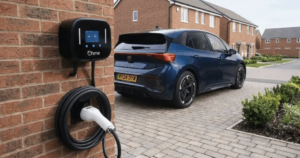
Home charging is usually the cheapest and most convenient way to run an electric car. If you have a driveway or off-street parking, a wall-mounted charger installed by a qualified electrician lets you top up overnight, and many households choose an electricity tariff designed for off-peak charging. If you rely on public chargers, expect a different experience: costs per unit tend to be higher, speeds vary, and you need to plan longer trips with a little more care. I have not quoted prices per unit because they change often and differ between tariffs and networks.
Before you commit, work through a running cost comparison with your own numbers. Take the miles you drive in a year, divide by the miles per gallon of your current car to get fuel used, and multiply by the price you pay. For the electric car, use the miles per kilowatt hour the manufacturer quotes, adjust it downwards for winter and motorway driving, and multiply by the price per unit you pay at home or on the road. A mix of home and public charging gives a blended figure. This method is more reliable than any average quoted in an article, because it uses your real journeys.
Battery Warranty and Health
Electric car batteries are covered by a separate warranty from the rest of the car, and the terms differ between makers, usually with limits on both years and miles and a threshold of remaining capacity. Read it before you buy, especially if you plan to keep the car for a long time or to sell it on. Batteries lose capacity slowly with age and use, and the loss is typically gradual, but how quickly depends on the climate, the charging pattern and the design.
Costs, Finance and Insurance
How you pay for a car matters as much as which car you choose, and the finance market has been adjusting to electric models. The three common routes are cash, a personal loan or hire purchase, and personal contract purchase (PCP) or leasing.
PCP, Hire Purchase and Leasing
With a PCP, you pay a deposit and monthly payments based on the gap between the car’s price and a guaranteed future value, and at the end you choose to hand the car back, pay the final sum to keep it, or part-exchange. The guaranteed future value is where the risk sits, because it depends on the finance company’s view of how well the car will hold its value.
If electric car values fall faster than forecast, the lender carries that risk during the term, but you may face limits on mileage and condition, and charges if you exceed them. With hire purchase, the payments cover the full price and you own the car at the end. With leasing, you never own it, and the monthly price reflects the expected fall in value, plus mileage limits.
Whichever you choose, compare the total amount payable over the whole agreement, not just the monthly figure, and check the mileage allowance honestly against your own driving. A low advertised monthly payment can come with a large final payment or a tight annual mileage. This is general information, not financial advice, and you should read the agreement carefully and consider asking the lender or a free money guidance service if anything is unclear.
Insurance and Other Running Costs
Insurance for electric cars can differ from similar petrol models, because the cars are often heavier, faster and costlier to repair. Quotes depend on your age, address, history and the specific model, so get several quotes before you commit to buying. Do this before you sign, not after, because an unexpectedly high premium can change the maths of the whole purchase. Tyres, servicing and road tax rules also affect the cost of ownership, but I do not give figures here because rules can change; check the government website for the current position.
A Sensible Order of Choices
If you are tempted by September’s headlines, a methodical order of decisions will serve you better than a rush for a deal. Start with charging, because it is the factor most likely to make or break the experience. If you can charge at home, an electric car will probably be straightforward and economical. If you cannot, find out honestly how you would charge, and how far the nearest reliable public charger is from where you live or work.
Next, decide how long you will keep the car and how you want to pay. A long-term owner cares most about warranty and battery health, while someone who changes car every few years cares more about the guaranteed future value and finance terms. Then compare new and used on total cost over your expected ownership, using the running cost method above with your own mileage. If you are buying used, insist on a battery health check and a clear history.
After that, get insurance quotes for the exact model and trim before you commit, and shop for finance with the total amount payable in mind. Finally, be sceptical of urgency. A manufacturer behind on its mandate share may offer a strong deal, but deals come and go, and the best choice is the car that fits your life. If a deal depends on rushing, it is probably not the right one. None of this is personal financial advice, and a regulated adviser or free money guidance service can help with your own circumstances.
Frequently Asked Questions
How Many Electric Cars Were Registered in the UK in September 2026?
According to SMMT preliminary data reported by electrive, 99,199 new battery electric cars were registered, a record monthly volume. That was 28.3 percent of the 350,518 new cars registered in the month.
When Will the October Electric Car Registration Figures Be Published?
SMMT publishes registration data in the first working days of each month, so the October figures are due in early November. They will show whether September’s momentum continued, though a single month should be read with caution.
Does the ZEV Mandate Ban Petrol and Diesel Cars?
No, not on its own. The mandate sets rising zero emission shares that manufacturers must reach, and it does not stop existing petrol and diesel cars being driven or sold second-hand. Check the Department for Transport for current rules on future new-car sales.
Is the UK on Track to Hit the 33 Percent Electric Car Target for 2026?
Not yet. The BEV share was 26.2 percent over the first nine months, and SMMT says reaching 33 percent would need about 265,000 more registrations in the final quarter alone. Flexibilities in the mandate mean a shortfall does not automatically bring a penalty.
Should I Buy a New or Used Electric Car?
It depends on your budget, how long you keep cars and whether you can charge at home. New cars bring full warranties and finance offers, while used cars cost less to buy but need a battery health check.
Do Plug-in Hybrids Count Towards the Electric Car Mandate?
Not towards the main battery electric share. Plug-in hybrids had their strongest month in September, with a 17 percent market share, but the headline mandate target is measured on fully electric cars.