

Energy suppliers across Britain have spent years contacting customers about smart meters, and many households are still unsure whether to say yes. The devices can make bills more accurate and usage easier to see, but they are not a magic way to cut costs.
In this article, we will explore what a smart meter does, its limits, the privacy and health questions people ask, special cases such as renting, and how fitting works.
Smart meters replace manual readings with automatic ones
A smart meter is a digital gas or electricity meter that records how much energy you use and sends the readings to your supplier through a secure communications network. A traditional meter, whether it has dials, a digital display, or a prepayment key, needs someone to read it or needs you to submit readings. When readings do not arrive, suppliers estimate, and an estimate that turns out too low can lead to a large catch-up charge later. A smart meter is designed to remove that guesswork.
The rollout in Great Britain was set up by the government and is overseen by the energy regulator Ofgem, which sets standards for suppliers and handles the rules they must follow when fitting meters. The device itself is owned and maintained by the supplier or a meter company working for it, not by you. The installation is usually offered at no direct charge, because the costs are recovered through the wider bills that suppliers set. For that reason, whether you accept or not, you are helping to pay for the programme through your energy costs, which is something many readers do not expect.
Northern Ireland has a separate energy system and its own regulator, the Utility Regulator, so what is said here about Great Britain does not apply in the same way there. If you live in Northern Ireland, ask your electricity supplier and network operator what is available locally and on what terms. Gas and electricity arrangements differ, and policies on smart metering have followed a different timetable from the rest of the United Kingdom.
It helps to separate the meter from the rest of the system. The meter measures usage, a small communications hub in or near it passes information to the national network, and the in-home display is an optional screen that shows what is being used. If any of the three fails, you may see odd symptoms, such as a display that stays blank while the meter still works. Knowing which part is at fault makes it easier to explain the problem to the supplier.
Many readers ask what happens to the old meter. It normally belongs to the supplier or a meter company, and the engineer removes it and takes it away for recycling or reuse. You should not need to do anything with it, and you should never try to remove or tamper with a meter yourself, because that is unsafe and may breach your supply terms. If an engineer leaves a meter behind, or you see damage to the cupboard or wall, ask for it to be put right and note it on the visit record.
| Feature | Traditional meter | Smart meter |
| How readings reach the supplier | You submit them, or someone visits | Sent automatically through a secure network |
| Estimated bills | Common if readings are missed | Much less likely if the connection works |
| Usage information | Only the total on the meter | Total plus near real-time use on a display |
| Time-based tariffs | Limited | Possible, if the supplier offers them |
| Dependence on signal | None | Needs a working connection |
| Who decides installation | Already in place | You and the supplier agree a visit |
The equipment in your home and how it communicates
A standard installation for a household with gas and electricity involves replacing both meters and fitting a small communications hub and an in-home display. The engineer will normally ask to turn off the supply briefly, so it is wise to switch off sensitive equipment and know where your computers, medical devices and alarm systems are. Most visits take a couple of hours, although unusual meter positions, old cabling or other faults can make it longer. The engineer should show you how the display works and check that it connects.
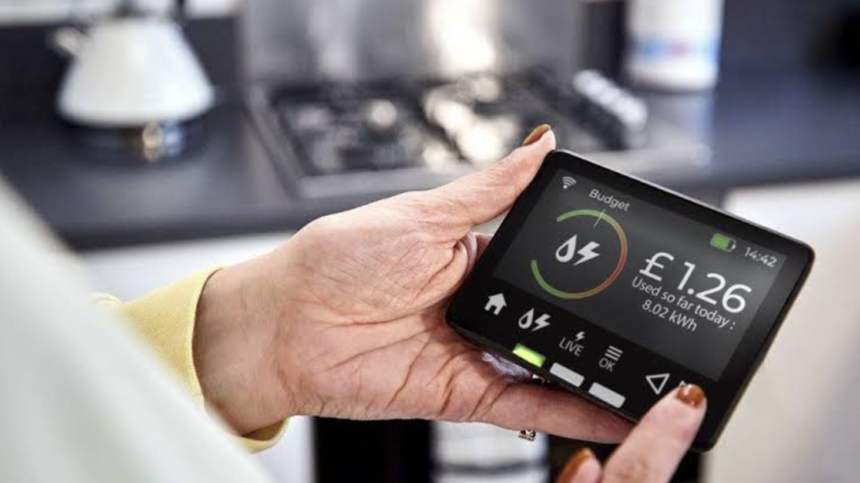
The in-home display is a small unit that shows how much energy you are using, often in pounds as well as kilowatt hours, and may offer a daily or monthly total. You can usually place it anywhere within range of the hub, so putting it in the kitchen or hallway can make it easier to notice. Some people find the colours or alerts helpful and others stop looking after a few weeks. If you prefer an app or a web portal, ask your supplier whether it offers one, since the features vary from supplier to supplier.
There are different generations of smart meter. Earlier devices were fitted before standards were set, and in some cases they lost their smart features when the customer switched supplier. Later devices follow a common standard, so they can generally keep working when you change supplier. Many older ones have since been brought into the national network, but if you have an early model it is worth asking your supplier which type you have and whether it will work after a switch.
Gas meters are battery powered and communicate in short bursts, so the data they send may be updated less often than electricity readings. This is why the display may show gas information in a slightly delayed way. If the battery is low, the supplier or the meter company should handle the replacement, and you should not open the meter yourself. Any suspected gas leak is an emergency, and you should call the national gas emergency number and leave the property.
Benefits for bills, budgeting and switching

The most obvious benefit is accurate billing. When the supplier receives readings automatically, you pay for what you use, not for an estimate, so there should be fewer surprises. If you have been paying by direct debit, a better picture of usage can also help your supplier set a fairer monthly amount. This does not mean your bill will fall, since the price per unit and standing charges still apply, but it can mean fewer corrections after months of estimates.
The second benefit is visibility. Seeing the cost of running a kettle, an oven or an electric shower in near real time can change habits. For example, you may notice that an old freezer or a standby device is using more than you expected, or that your use spikes at certain times. Many households find they save a modest amount by acting on such information, but savings depend on the home and the person, and no figure is guaranteed. Commonly cited estimates vary, so treat any promise of a fixed saving with caution.
A third benefit is the ability to use tariffs that depend on the time of day. Some suppliers offer cheaper rates at off-peak times, which can suit households that charge an electric vehicle, run a heat pump or can move laundry to the night. These tariffs usually need a smart meter, or sometimes a specific type of metering, so ask your supplier what is available and what the rates are during the peak period. A time-based tariff can cost more if you cannot move your use, so check your own pattern before you switch.
A fourth benefit relates to switching suppliers and moving house. With automatic readings, the final bill with the old supplier and the opening bill with the new one are based on real figures. This reduces disputes about meter readings on the day you move. Householders with solar panels can also benefit, because export to the grid can be recorded, and schemes that pay for exported power usually need suitable metering, though the rules differ between suppliers and installations.
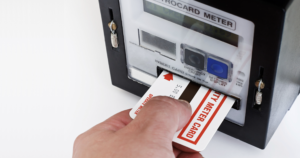
Prepayment customers gain too. A smart prepayment meter can be topped up remotely and may show the balance clearly, which reduces trips to a shop and can avoid running out of credit unexpectedly. Check how emergency credit works and whether the supplier can adjust charges or debt recovery through the meter. Citizens Advice can explain your rights if you are worried about debt repayments being taken from a prepayment meter.
Think about your own home before accepting the offer. A household with high daytime use, an electric vehicle or a heat pump has more to gain from detailed information than a single occupant who is away all day. Equally, someone on a fixed tariff with stable direct debits may see little change except the end of manual readings. Ask yourself what problem you want solved, whether that is estimated bills, a lack of insight into usage, or access to a time-based tariff, and judge the meter against that need.
Limits and common problems
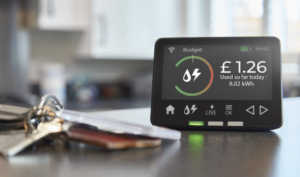
A smart meter does not cut your energy use, and it does not make energy cheaper. It shows information, and you still need to act on it. Some households install a meter, glance at the display for a week and then ignore it. If your main aim is to lower costs, a smart meter is a tool, not a solution, and insulation, heating controls, appliance choices and tariff comparison are likely to matter more.
Connectivity is the most common technical limit. The meters rely on a radio network and a signal that can be weak in some rural areas, in basements, in blocks of flats with meters in cellars, or where thick walls block the signal. In some places a meter that works at first can lose its connection later. If the meter cannot send readings, it may behave like a traditional one, and you may have to submit readings yourself until the problem is fixed. Ask your supplier what it does when coverage is poor and whether a signal booster or a different set-up is possible.
Another limit is the installation itself. Some meters cannot be replaced easily, for example those that are in awkward positions, those with unsafe wiring, or those in shared cupboards. Engineers may refuse to fit a meter if they judge it unsafe, and in that case the supplier should explain what is needed. If a visit is cancelled or the engineer does not come, ask for a new date in writing.
Billing errors can occur even with a smart meter. A faulty reading, a wrong tariff or an old account can still produce an incorrect bill. Check that the first bill after installation reflects the readings on the day, compare it with the display and keep photographs of the meter. If your supplier cannot resolve a dispute within the time allowed, you can take the complaint to the Energy Ombudsman, which handles unresolved complaints about suppliers in Great Britain.
| Problem | What it may mean | What to try first |
| Display is blank | Power, pairing or display fault | Check it is plugged in, then contact your supplier |
| Display shows no usage | Hub or meter connection fault | Restart the display if advised and report the fault |
| Bill still estimated | Meter not sending readings | Photograph the meter and submit a reading |
| Meter stopped working after switching | Early-generation device or network issue | Ask the new supplier to confirm the meter type |
| Readings look too high | Tariff, appliance or fault | Compare with your own reading and ask for a check |
| Gas data delayed | Normal behaviour of battery gas meters | Check the daily total instead |
Existing tariffs and contracts are worth checking. Some fixed deals carry exit fees if you leave early, and a smart meter by itself does not change your price. Suppliers also sometimes use the visit to tell you about new tariffs, so do not agree to a switch on the doorstep or phone without reading the terms. If you want to move to a time-based deal later, you can compare options on a regulated price comparison service and confirm current prices on the supplier’s own website.
Privacy, data and health concerns

Privacy is a reasonable concern, because a meter that reports detailed readings could reveal when you are at home. The rules, however, are designed to give you control. Suppliers generally need your agreement before collecting the most detailed readings, such as those taken every half hour, and you can usually opt out of sharing daily readings as well, with monthly readings still available for billing. They also need consent to use data for marketing, and they must treat it in line with data protection law.
In practice, you can usually choose between monthly, daily, and more frequent readings. Monthly readings are the lowest level of detail and are enough for accurate bills. Daily readings can help you see patterns, while more frequent readings are mostly useful for time-based tariffs. Read the consent options carefully when you book, and ask the supplier to confirm in writing which settings it has applied. You can change your choice later, and you can complain to the Information Commissioner’s Office if you believe your data has been mishandled.
Security is also built into the system. Messages between the meter and the supplier are encrypted, and the national network that carries them is regulated and run by a licensed company. No system is completely free of risk, but the design aims to prevent third parties from reading or changing your data easily. If you receive a call or an email about your meter asking for bank details or access to your home, treat it with suspicion, because scammers sometimes pretend to be energy companies. Report suspected scams to Action Fraud, and check your supplier’s official contact details.
Health worries often relate to radio waves. Smart meters use low-power radio signals to send data in short bursts, and public health bodies in the United Kingdom have said that exposure is far below the limits set by international guidelines. This is general information, not medical advice. If you have a medical device, such as a pacemaker, or a health condition you are worried about, speak to your doctor, your hospital team or the NHS, and tell the supplier so it can take account of your circumstances.
Tenants, flats, prepayment and special cases
Renting adds a few questions. If you pay the energy supplier directly, you are generally the person who can ask for a smart meter, although it is polite and sometimes necessary to tell your landlord, especially if the meter is in a shared or locked area. If your landlord pays the bills or the supply is part of your rent, you would need to speak to them. A tenancy agreement may include rules on alterations, so read it, and ask the supplier whether it needs written permission before it starts.
Flats and shared buildings present practical challenges. Meters may be in a communal cupboard or an underground room where radio signals struggle, and access may depend on a building manager or a neighbour. If your building has a district or communal heating scheme, you may not have an individual gas meter, so a standard rollout may not apply. Ask the supplier for a survey or a note of the barrier, and consider whether a different solution is available.
Households with a Priority Services Register entry can ask for extra support. The register is run by suppliers and network operators and helps people who are older, disabled, chronically ill, have a young child or need other help during a visit or a power cut. If you need an appointment at a certain time of day, or a carer present, say so when you book. The engineer should respect that, and you can ask for the visit to be rearranged.
If you have an Economy 7 or other multi-rate meter, ask how the smart meter will handle the different rates, because the set-up needs to match your tariff. If you have solar panels, a battery or an electric vehicle charger, tell the supplier and the installer, since these can affect how the meter is fitted and what tariffs suit you. Landlords of business premises and small businesses have their own arrangements, and the rules for non-domestic meters differ, so check with your supplier.
If you choose not to have a smart meter, you can usually still keep your existing meter and submit readings yourself. Suppliers may keep contacting you, and some tariffs are only available with one, so check the terms before you decide. You should not be pressured, and you can say no to a visit or ask the supplier to stop contacting you in certain ways, although some limits may apply. Citizens Advice can help if you feel harassed by repeated approaches.
Getting one fitted, step by step
Start by contacting your supplier or using its online booking page. Only book through the contact details on your bill or its official website, and be cautious if a caller or visitor says they are fitting meters for the whole street. Ask the supplier to confirm the type of meter, the date and time window, and whether anyone over eighteen must be present. Check whether you will be asked for any payment, because installation should not carry a direct charge.
Before the visit, clear a path to the meters, make sure the engineer can reach them safely, and note any existing readings. Take photographs of the old meters, including the serial numbers and the readings, because these can help if there is a dispute about the final bill. Switch off or save work on computers, and plan for a short power cut. If you have a medical device, tell the supplier in advance and arrange a back-up.
On the day, ask the engineer to show you the display, explain the settings, and check that the meter is connected to the network. Ask them to note any faults and to leave contact details. Confirm the readings and the date on the paperwork, and ask what will happen to the old meters. If the engineer says the signal is poor and the meter cannot connect, ask what the plan is and in what time frame it will be fixed.
After the visit, watch your next bill. Compare the figures on the bill with the readings you noted, and check that the tariff is the same as before. If the supplier asks you to submit readings for a period, do so until the meter is confirmed as working. Keep your emails and call references, and if something goes wrong, make a complaint to the supplier first, then, if it is not resolved, to the Energy Ombudsman.
Looking after the display can make the equipment last and keep it useful. Keep it plugged in or charged as instructed, place it away from metal cupboards that block the signal, and avoid covering it. If it shows an error message, note the wording and the date, and look at the supplier guide before you phone. A short written record of when problems happen helps a supplier decide whether the fault is in the meter, the hub or the display.
Complaints follow a clear order. Start with the supplier, give the date of the visit, the meter details and what went wrong, and ask for a written reply. If the supplier has not resolved the matter within the time the regulator allows, or you disagree with its final answer, you can go to the Energy Ombudsman, whose service is free. Keep your photographs, bills and call references together, since the ombudsman will ask what evidence you hold and what the supplier offered.
Safety deserves a final mention. Engineers should carry photographic identification and be able to prove which company they work for, and you can phone the supplier on the number from your bill to check before letting anyone in. If you are not comfortable with a visit, you may rearrange it, and a friend or relative can be present. Do not let anyone fit a meter or alter the supply without a booking you recognise.
Readers who share a home should agree who will handle the booking and the follow-up. One person should keep the paperwork, the photographs of the old meters and the supplier reference numbers, so that a question months later can be answered quickly. If you move home soon after installation, tell your supplier and take a final reading, which a working smart meter should make simple, and pass the meter details to the new occupier.
Conclusion
First, decide what you want from the meter. If your goal is accurate bills and no more estimates, a smart meter is likely to help, provided your signal is good. If you want to use a time-based tariff, check the rates and your usage first, and make sure your household can shift use to the cheaper times. If you are worried about privacy or health, read the supplier’s information and the guidance of the relevant regulator before you decide.
Next, check your situation. Ask your supplier what type of meter you would receive, whether it will keep working if you switch, and how it handles your tariff. If you rent, check who pays the bills and whether the landlord needs to be told. If you live in a flat, ask about signal and access. Write down your questions and the answers, because they will be useful if there is later confusion.
Finally, take a measured approach. A smart meter is neither a threat nor a cure, and either choice is acceptable. Compare your tariff on a regulated comparison service, read GOV.UK and Ofgem guidance for current rules and entitlements, and use Citizens Advice if you need free, impartial help. If you struggle to pay energy bills, contact your supplier early and seek debt advice from MoneyHelper or a similar service, since help is available.