

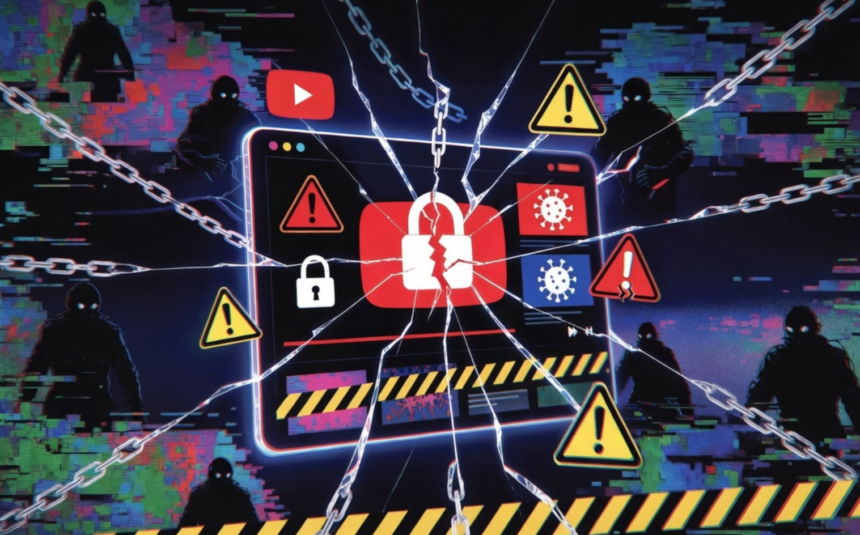
The internet has always been a space of contradictions a place where creativity and convenience exist alongside risk and controversy. Among the many keywords circulating in digital culture, Crackstube stands out as one that captures several ongoing tensions in the online world: the desire for free content, cybersecurity vulnerabilities, and the ethics of digital consumption.
Rather than representing a single verified platform, Crackstube is better understood as a term connected to unofficial streaming ecosystems, cracked software culture, and media piracy discussions. To fully grasp what it means and why it matters, we need to examine the broader environment it exists within.
Breaking Down the Name
The term itself is a combination of two widely recognized internet concepts. “Crack” has long been used in technology communities to describe modified software that removes payment restrictions or bypasses licensing mechanisms. “Tube,” on the other hand, became culturally synonymous with video streaming after the explosion of video-sharing platforms in the mid-2000s.
Put together, Crackstube implies a space offering unauthorized or unrestricted access to video content or digital media. However, websites using this keyword don’t follow a single model, some function as streaming portals, others as redirect hubs, and many exist primarily to generate advertising revenue by exploiting trending search terms.
Why Platforms Like This Gain Traction
Much like The Local Platform Quietly Rewiring Community Connection reshapes how neighborhoods interact digitally, unofficial streaming culture has quietly reshaped how millions of people access entertainment online, not always through legitimate channels.
The primary drivers are straightforward. As subscription-based streaming services multiplied, so did their costs. Consumers now often need four, five, or even more paid memberships to access the content spread across competing platforms. This subscription fatigue pushes many users, especially those in lower-income brackets or regions where official services are unavailable, toward unofficial alternatives.
Geographic licensing restrictions add another layer of frustration. Content legally available in one country may be completely inaccessible in another, leaving users feeling excluded from mainstream digital culture. This sense of exclusion is a significant factor in why searches related to platforms like Crackstube remain consistent.
The Cybersecurity Reality
Here is where things become genuinely serious. Unofficial streaming and download platforms are among the most dangerous environments on the modern internet.
Many of these websites rely on aggressive, unregulated advertising networks. Visitors routinely encounter fake download buttons, misleading pop-ups, redirect chains, and hidden scripts designed to install malware or harvest personal data. Even simply loading certain pages, without clicking anything, can expose devices to browser-based exploits, particularly on outdated systems.
Phishing attacks are equally common. Some websites imitate legitimate services with convincing designs, tricking users into entering passwords, email addresses, or even payment details. Identity theft and account compromise are real consequences.
Privacy is another dimension that deserves attention. Unlike regulated platforms bound by data protection laws, unofficial sites rarely publish clear privacy policies. Visitor IP addresses, browsing behavior, device information, and geographic location may all be collected and sold to third-party networks without users ever knowing.
The Business Behind “Free”
Nothing online is truly free. Platforms associated with Crackstube typically generate revenue through advertising networks, affiliate redirects, cryptocurrency mining scripts embedded in web pages, and in some cases, premium membership tiers that ironically charge users for “better” access to unauthorized content.
This is worth understanding because many users assume these sites operate as passion projects or community services. In reality, they are often commercially motivated operations that prioritize traffic and revenue above user safety or legal compliance.
Legal and Ethical Dimensions
The legal situation surrounding content accessed through platforms like Crackstube varies significantly by country. Many jurisdictions enforce copyright laws that protect content creators, software developers, filmmakers, and musicians. Accessing or distributing pirated material can result in warnings from internet service providers, account restrictions, or in stricter legal environments, financial penalties.
Beyond legality, the ethical debate is nuanced. Critics of piracy argue it directly harms creators by cutting into revenue streams that fund future work. Supporters of accessible media counter that aggressive regional restrictions, high pricing, and monopolistic distribution models contribute to the conditions that make piracy culturally appealing in the first place.
Both perspectives have merit, and the conversation continues to evolve alongside changes in how digital content is produced and distributed.
The Role of Modern Technology
It’s worth noting how rapidly legitimate alternatives are reshaping expectations. Take AI Video Creation: Evaluation of Video&A tools as an example, today’s AI-powered platforms are democratizing content creation in ways that were unimaginable a decade ago. As high-quality video production becomes more accessible through legitimate means, the cultural appetite for consuming pirated content may gradually shift, particularly among younger, tech-savvy audiences who value creation over passive consumption.
Legitimate free streaming options have also expanded considerably. Ad-supported platforms now offer extensive libraries of films, documentaries, and television programming at no subscription cost. Public libraries increasingly provide digital access to movies, software, and educational resources. Open-source alternatives now rival many expensive commercial applications.
These developments make the risk-reward calculation of visiting unofficial platforms increasingly unfavorable.
Final Thoughts
Crackstube represents more than a single website or keyword, it reflects ongoing tensions between digital accessibility and intellectual property, between consumer frustration and creator rights, and between the convenience of free content and the very real risks attached to it. Understanding these dynamics helps users make smarter, safer choices in an increasingly complex online environment.
Frequently Asked Questions
1. Is Crackstube a single official website?
No. It is a keyword associated with multiple unofficial and unrelated platforms operating across different domains. There is no single verified Crackstube service.
2. Is visiting these websites illegal?
This depends on your country’s laws and what content is being accessed. In many regions, accessing pirated content violates copyright law and can result in legal consequences.
3. Can my device get infected just by visiting?
Yes. Some malicious websites deploy drive-by download attacks that can install harmful software without any user interaction beyond loading the page.
4. Are there safe, free alternatives?
Absolutely. Ad-supported platforms, public library digital services, and open-source software communities offer extensive free content legally and safely.
5. Why do these sites keep appearing despite enforcement efforts?
Operators frequently change domain names, move servers across jurisdictions, or restructure their platforms to avoid takedowns, making sustained enforcement challenging.