

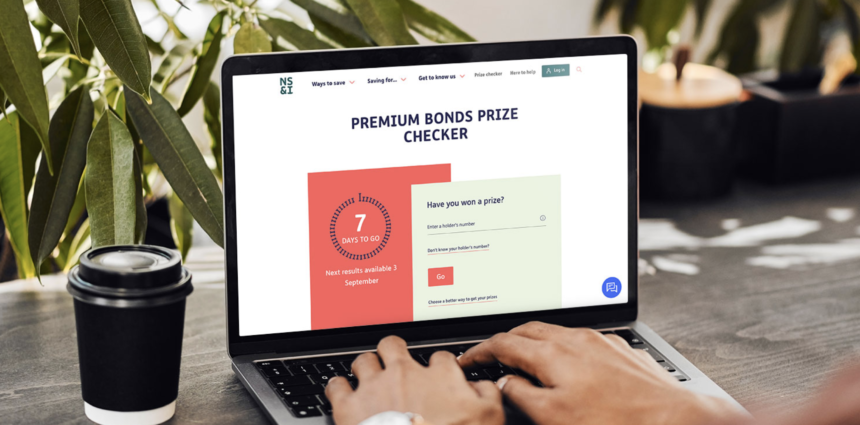
Premium Bonds are one of the most recognisable savings products in Britain. Instead of paying interest, they enter your money into a monthly prize draw run by NS and I, the government-backed savings provider, and every pound you hold is protected by HM Treasury. Millions of households hold them, often because a relative bought a few years ago, and plenty of people have a small pot of bonds that they rarely think about.
That mix of safety, tax-free prizes and no guaranteed return raises fair questions. How do the draws work, what can you realistically expect to win, and would your money do better somewhere else?
This guide sets out the mechanics in plain English, compares Premium Bonds with other places to keep cash, walks through worked scenarios and flags the mistakes that cost people money. Limits, prize rates and odds change from time to time, so check the NS and I website for the latest figures before you act.
Rules for Buying, Holding and Cashing In Premium Bonds
Premium Bonds are issued by NS and I, which is owned by the Treasury. You can buy them through the NS and I website or app, by phone, or by post using a paper form. Each bond costs £1, and each one carries its own number that goes into the draw. You do not receive a certificate in the way older generations did; your holding is recorded electronically and you manage it online.
There is a minimum purchase and a maximum holding per person. At the time of writing the minimum purchase is £25 and the maximum holding is £50,000, but both figures have changed in the past, so confirm them with NS and I. Because the maximum applies to each individual, a couple can each hold up to the limit in their own name, but joint holdings are not allowed.
New bonds do not enter the draw immediately. There is a short waiting period after purchase, which NS and I describes in terms of a clear calendar month, before your bonds become eligible. This matters if you are moving money in just before a draw and hoping to be included straight away.
Cashing in is straightforward. You request a withdrawal online or by phone, and the money is paid to your nominated bank account, usually within a few working days. You can withdraw part of your holding or all of it. Premium Bonds do not have a fixed term, so there is no penalty for taking money out, though you give up your chance of prizes on the bonds you cash in. The main rules to keep in view are summarised below.
- Minimum purchase: a small starting amount applies, so you can begin without committing a large sum.
- Maximum holding: a cap applies per person, and NS and I will not accept more than that figure across all your bonds.
- Waiting period: newly bought bonds usually wait for a short period before they join the draw.
- Ownership: bonds are held in one name only, with no joint accounts, though adults can buy on behalf of a child.
- Withdrawals: you can take money out at any time, and payment normally reaches your bank within a few working days.
If you hold bonds that you bought many years ago, the same rules apply. Old holdings are not treated differently, though you may need to update your contact details so that NS and I can reach you about prizes.
Prizes: Tiers, Draws and the Odds

The draw takes place every month. A random number generator, known as ERNIE, picks winning bond numbers, and independent checks are carried out on its randomness. Every eligible bond has the same chance in a given draw, whether it was bought last year or several decades ago. Holding more bonds gives you more entries, but each entry still has the same chance as any other.
Prizes are set in tiers. The lowest tier is a modest sum, and the great majority of prizes fall into it. Higher tiers climb in steps, and the top prize is £1 million. NS and I publishes the number of prizes at each value for every draw, so you can see how the prize fund is split. Winning a large prize is very rare, and the structure is designed so that many small prizes make up most of the fund.
Two figures shape what the product offers: the prize fund rate and the odds. The prize fund rate is a headline percentage that NS and I announces, and it represents the average annual return across all bonds if prizes were spread evenly. Real people do not receive an even spread. Some holders win several prizes in a year, and many win nothing for long stretches.
The odds are published as the chance that a single £1 bond wins a prize in a given month, and they are expressed as a one-in figure. Those odds have varied over time and I will not quote a number here, since it may be out of date by the time you read this.
Prizes are free of UK income tax and capital gains tax. You do not need to report them on a tax return. Prize money is paid straight to your bank account, or you can choose to reinvest it into more bonds, subject to the maximum holding. If you are close to the limit, any prize you cannot reinvest is paid out as cash. A few points about the draw are worth knowing.
- Prize fund rate: this is an average figure, and your own return in any year can be much higher or lower.
- Odds per bond: the chance of winning is the same for every eligible bond, regardless of age or how many you hold.
- Prize tiers: prize values run from a small sum up to £1 million, with most prizes at the low end.
- Payment method: winnings go to your bank account, or into more bonds if you choose to reinvest.
- Prize checker: NS and I offers an online checker that searches for any unclaimed prizes attached to your name.
Do not read the prize fund rate as a promise. It is a statistical average over the whole pool, and a small holding can easily go a whole year without a single prize while still behaving exactly as the rules intend.
Limits on Holdings and Who Can Buy
Anyone aged 16 or over who lives in the UK can normally hold Premium Bonds in their own name. Adults can also buy for a child under 16. Parents, grandparents, great-grandparents and legal guardians are the usual buyers, and the bonds are held on the child’s behalf until the child reaches 16, when they can take control of the account. Because children each have their own limit, this is a popular way for relatives to put gifts aside in a safe, tax-free form.
Joint holdings are not available. If a couple wants to share a savings pot, each partner needs to hold bonds separately, and the family can only access each person’s bonds through that person. That has practical consequences, because if one partner becomes unwell or dies, access depends on the legal arrangements for that person’s estate or on a power of attorney.
When a holder dies, the bonds can stay in the draw for a limited period, and prizes won in that time are paid to the estate. After that, executors need to arrange for the money to be repaid, which involves contacting NS and I with the death certificate and the relevant probate paperwork. NS and I explains the process on its website, and it is worth checking early because estates can be slow to untangle.
There is also a link with means-tested benefits. Premium Bonds count as capital, so a large holding can affect entitlement to benefits such as Universal Credit or Pension Credit, even though the prizes are tax-free. A prize paid into your account also counts as capital once it arrives. If you claim a means-tested benefit, check the current capital rules on GOV.UK before moving a large amount into bonds. Here are the main ownership situations in short form.
- Adults: a person aged 16 or over can hold bonds in their own name, up to the personal maximum.
- Children under 16: a parent or other eligible adult can buy on the child’s behalf, and each child has their own limit.
- Joint ownership: this is not allowed, so couples hold separate pots.
- Bereavement: bonds can remain in the draw for a limited time after death, then the estate arranges repayment.
- Benefits: bonds count as capital for means-tested benefits, which can reduce or end entitlement.
If you are managing bonds on behalf of someone who has lost mental capacity, you will need the right legal authority, such as a registered lasting power of attorney in England and Wales. NS and I will not simply act on a family member’s say-so.
Contrasting Premium Bonds With Other Savings

The honest comparison is between a variable chance of prizes and a predictable stream of interest. Premium Bonds offer no interest at all. In exchange, you get unlimited protection of your capital through the Treasury and prizes that are free of tax. Everything else on the market is built around different trade-offs.
An easy-access savings account pays interest, which can be adjusted by the provider, and you can usually withdraw money whenever you like. Deposits with authorised banks and building societies are protected by the Financial Services Compensation Scheme up to a stated limit per person per authorised firm. You can check the current limit on the FSCS website. Premium Bonds sit outside that scheme because the Treasury backs them directly.
A cash ISA pays interest that is free of tax, and the annual ISA allowance is set by the government each tax year. A fixed-rate bond locks your money away for a set term, usually in return for a higher rate than easy-access accounts. A regular saver pays a rate for monthly payments over a year and can be competitive for small, steady amounts. Government-backed savings certificates have appeared and disappeared from the NS and I range over the years, so check what is currently on sale.
The key question is whether your own tax position makes tax-free prizes valuable. Most basic-rate taxpayers have a personal savings allowance that covers a certain amount of interest each year, and many savers pay no tax on their interest at all. In that case the tax-free feature of Premium Bonds adds little. For higher-rate and additional-rate taxpayers, who have a smaller allowance or none, tax-free prizes carry more weight. The main alternatives are set out below.
- Premium Bonds: no interest, monthly prizes, tax-free winnings, backed by HM Treasury, no fixed term.
- Easy-access account: variable interest, instant or near-instant access, protected by the FSCS up to a limit.
- Cash ISA: tax-free interest, subject to the annual allowance, with rules on transfers and withdrawals that vary by product.
- Fixed-rate bond: set rate for a set term, limited or no access, protected by the FSCS up to a limit.
- Regular saver: a rate on monthly payments, often with a cap on how much you can pay in.
Whatever you choose, compare the return you can expect from the alternatives against the prize fund rate, taking your own tax position into account, and recognise that a rate is an average, not a certainty. Comparison websites and the MoneyHelper service, which is government-backed, can help you check the market.
Risks, Inflation and Real Returns
Premium Bonds are very safe in the sense that your capital is protected by the Treasury. You cannot lose your £1 per bond through a provider failing. That is the central attraction, and it is a real one for people who want to keep an emergency fund or a large cash sum beyond the reach of bank failure.
The risk is of a different kind. Because there is no interest, the buying power of your money can slip if prices rise faster than you win prizes. Inflation erodes cash held anywhere, but it can bite harder on a product that does not pay a predictable return. If your prizes over a year are worth less than the rise in prices, your savings have lost value in real terms, even though the number of pounds has not fallen.
Variance is another risk. The prize fund rate is an average, but your own result can sit far from it. A holder with a small number of bonds may win nothing in a year, then win a few small prizes in the next. Over a long period, outcomes tend to move closer to the average, though never perfectly, and a person with a larger holding is more likely to see results near the average sooner.
A third issue is opportunity cost. If you hold the maximum in bonds while a savings account elsewhere pays a steady, higher rate, the difference compounds over time. This does not mean Premium Bonds are a poor choice, only that they should be chosen deliberately rather than by default.
A useful habit is to check each year what you earned in prizes, divide it by your average holding, and compare the result with what a plain savings account would have paid. If you find that the gap is large and persistent, consider moving some money. If the gap is small, the safety and simplicity may be worth it to you.
Scenarios Showing Who Benefits
Worked examples help show where Premium Bonds fit. The figures below are invented for illustration and are not forecasts. They use a hypothetical annual rate to explain the logic, so do not treat them as real prize data.
Consider a higher-rate taxpayer with a large cash reserve beyond their annual savings allowance. Suppose the prize fund rate and the rate on a competing savings account are close. Because the savings interest would be taxed at a higher rate, the after-tax return from the account is lower than its headline rate. In this case Premium Bonds can compare well, as long as the person accepts that the return will not be smooth.
Now consider a basic-rate taxpayer with a modest sum who has not used their personal savings allowance. Interest from an easy-access account falls within the allowance and is not taxed. The tax-free label on Premium Bond prizes gives no extra benefit, so the question becomes simply which product pays more on average. If a competing account offers a higher rate than the prize fund rate, the bonds are the weaker choice on average, though they may still appeal to someone who enjoys the draw.
Next, a grandparent wants to set aside money for a grandchild. Premium Bonds are easy to open for a child and carry no risk of loss. The child can later take control at 16 and decide what to do. If the aim is long-term growth over many years, a different tax-efficient product such as a Junior ISA, which can be invested in shares or held as cash, might suit better, though it brings its own rules about access until the child turns 18.
Finally, take a person receiving Universal Credit with savings close to the capital thresholds. Moving money into bonds does not hide it from the Department for Work and Pensions, because bonds count as capital. Failing to declare them can lead to overpayments that have to be repaid. A person in that situation should check the rules on GOV.UK or speak to an adviser before making changes.
These scenarios show that the product is a personal fit rather than a universal bargain. The best candidates are those who value safety, want tax-free prizes because of their tax position, and accept that returns will be uneven. The weakest candidates are those who need a predictable return, or who can earn more from interest within their tax-free allowances.
Mistakes That Cost Premium Bond Holders Money
Several errors come up again and again. Most of them are easy to avoid once you know about them. The first is leaving prizes unclaimed. If you move house, change bank accounts or change your name and do not update NS and I, prizes can fail to reach you. The online prize checker lets you search for unclaimed prizes, and it is worth running every so often, especially for older holdings or for bonds you inherited.
The second is treating the product as a place to earn a steady return. A person who relies on the bonds to cover regular bills may be disappointed in a quiet year. Money you need for predictable spending is better held somewhere that pays a known rate.
The third is ignoring the effect on benefits. Many people forget that bonds count as capital for means-tested support. Failing to report them correctly can lead to overpayments, requests for repayment and, in serious cases, penalties.
The fourth is leaving a large sum in bonds because nobody has reviewed it for years. Rates elsewhere move, and a regular review can show whether a better home exists for part of your cash. Common slips are listed below.
- Out-of-date details: old addresses or bank details mean prizes may be delayed or returned.
- Missed prizes: not running the prize checker can leave money sitting unclaimed.
- Benefit blind spots: forgetting that bonds count as capital can cause overpayments.
- Chasing the top prize: expecting a life-changing win is a poor basis for a savings decision.
- No review: leaving the same holding in place for years without comparing alternatives.
A final mistake is falling for scams that exploit the product’s popularity. Fraudsters sometimes send messages saying you have won a big prize or offering to sell you bonds at a discount. Bonds are only sold by NS and I, and you should not hand over money or personal details to anyone else claiming to act for it.
Tips for Managing Your Holding
Good habits take little time and can protect you from the most common problems. Start by creating an online account with NS and I if you have not already done so, so you can see your holding, update details and withdraw money without paperwork.
Keep a simple record of your bond holder number, the date you bought, and the amount you hold. If you manage bonds for a child, note the date when they turn 16, because they will then be able to take control, and you will need to hand over the details.
Review your holding once a year. Compare what you earned in prizes with what a competitive savings account or cash ISA would have paid on the same sum, taking your tax position into account. Think about how much of your cash really needs to be in bonds for safety and how much could sit elsewhere.
If you are building an emergency fund, remember that bonds are easy to cash in but do not pay out immediately. Withdrawals can take several working days to reach your bank account, so keep a small amount in an instant-access account for true emergencies.
For estate planning, tell trusted family members where your bonds are held and how to contact NS and I. This helps executors to find them quickly and avoids unclaimed holdings. Include them in any list of assets that goes alongside your will.
Be cautious about gifting bonds for weddings, birthdays or other occasions without explaining the rules. A recipient who is under 16 will need an adult to manage the account, and one over 16 will need to set up their own account.
Finally, use only official channels. The NS and I website and app, the phone number printed on the NS and I site and the postal address on official letters are the safe routes. If you receive an unexpected message, close it and go directly to the official website instead of following links.
Final Thoughts
Premium Bonds suit people who put a high value on safety, who have a tax position that makes tax-free prizes attractive, and who are comfortable with uneven results. They are less suitable for those who need a steady, known return or who can earn more through interest that sits inside their tax allowances.
The best approach is to treat the product as one option among several. Check the current limits and prize fund rate on the NS and I website, compare the market through trusted sources such as MoneyHelper and GOV.UK, and review your holding once a year so that the decision stays deliberate.
This article offers general information and is not personal financial, legal or tax advice. If your circumstances are complex, speak to a regulated adviser or an organisation such as MoneyHelper before you act.
Frequently Asked Questions
Are Premium Bonds really safe?
Yes, in the sense that your capital is backed by HM Treasury, so you cannot lose your original money through a provider failing. The risks lie elsewhere: no guaranteed return, uneven prizes and the loss of buying power if inflation outpaces what you win. For many savers the safety is the point, and for others the lack of a predictable return is a drawback.
Can I lose money in Premium Bonds?
You will not lose the £1 you pay for each bond. What you can lose is purchasing power, because if prices rise and you win little or nothing, your money buys less than before. You can also miss out on interest that a savings account would have paid. That is a cost of holding the bonds rather than a loss of your capital.
Do I have to pay tax on Premium Bond prizes?
No. Prizes are free of UK income tax and capital gains tax, and you do not need to declare them on a tax return. However, they can affect means-tested benefits because they count as capital once they are in your account, so check the rules if you claim support from the DWP or your local council.
How do I find out if I have won a prize?
NS and I contacts winners and pays prizes automatically to the bank account it holds for you. You can also check your holding through your online account or use the prize checker on the NS and I website. If you have lost touch with old bonds, the checker can also search by details such as your name and date of birth.
Can I buy Premium Bonds for a child?
Yes. A parent, grandparent, great-grandparent or legal guardian can buy bonds for a child under 16. The child cannot manage the account, but they can take control when they reach 16. Each child has their own limit, which makes bonds a popular gift. Think about whether a Junior ISA might suit better if you want long-term growth.
What happens to Premium Bonds when the holder dies?
The bonds stay in the draw for a limited time after the holder dies, with any prizes going to the estate. After that, the executors contact NS and I with the necessary documents to arrange repayment. Check the NS and I website for the current process and time limits, as these details can change.