

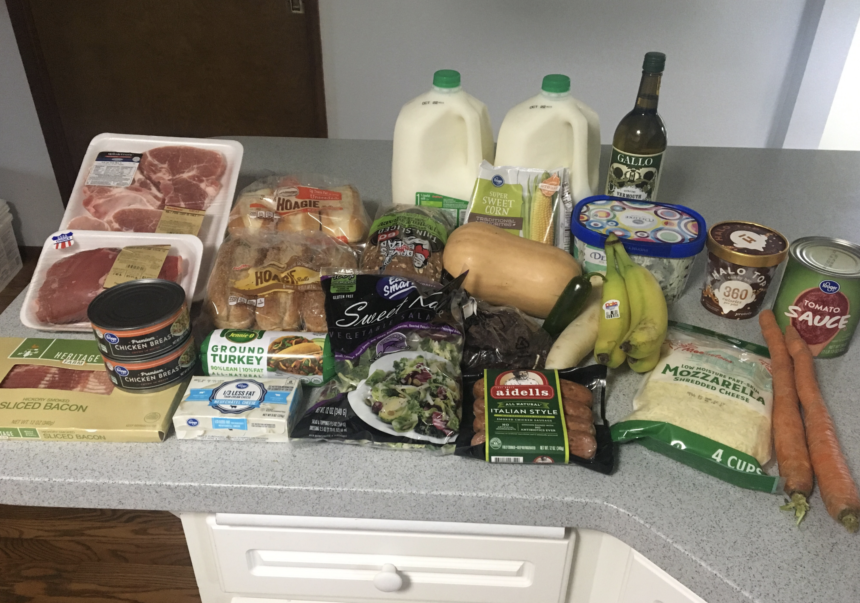
Grocery bills have crept up in a way that leaves many UK households doing the same weekly shop for noticeably more money than they used to spend, without any obvious change in what lands in the trolley week to week.
Meal planning offers one of the most reliable ways to bring that spending back under control, not by cutting corners on nutrition or variety but by removing the waste, duplication, and last-minute takeaway orders that quietly drain a household food budget. A little structure around what gets eaten each week turns grocery shopping from a reactive scramble into a predictable, manageable task that fits neatly around a busy schedule.
This guide covers practical ways to plan meals, shop smart, and reduce waste so a household’s food spend stretches further across the month without ever feeling restrictive or dull.
Building a Weekly Meal Plan
A weekly meal plan starts with a simple stocktake of what is already sitting in the fridge, freezer, and cupboards, since building meals around existing ingredients before adding anything new avoids the common trap of buying duplicate items that then go unused. Setting aside a short block of time each week, whether on a Sunday evening or whichever day suits a household’s routine best, to sketch out what will be eaten across the coming days turns meal planning into a light habit rather than a chore that eats into an already busy weekly schedule.
Choosing meals that share ingredients across the week reduces both cost and waste, since a bag of spinach or a pack of chicken thighs bought for one recipe can often stretch across two or three separate meals if the plan is built with that overlap in mind from the very start. Keeping a rotating list of household favourites on hand, rather than starting from a blank page every single week, speeds up the planning process by a wide margin and removes much of the mental load involved in deciding what to cook night after night.
- Stocktake first: Check what is already available before adding new items to a shopping list for the week ahead.
- Shared ingredients: Plan meals that reuse the same core ingredients across several dishes to reduce cost and waste.
- Rotating favourites: Keep a running list of reliable, well-liked meals to draw from instead of starting fresh each week.
- Flexible slots: Leave one or two meals unplanned each week to use up whatever ingredients remain from earlier in the week.
Involving the whole household in the planning process, rather than one person carrying the full mental load alone, spreads out both the effort and the buy-in needed to stick with a plan across a busy week. Children old enough to have opinions about food often engage far more happily with a meal once they have had some say in choosing it themselves, and partners sharing the planning task evenly tend to find the habit sticks for a good deal longer than when it rests entirely on one person’s shoulders week after week.
Batch Cooking and Freezer Staples
Batch cooking larger quantities of a meal and freezing portions for later is one of the most effective ways to reduce both cost and daily effort, since cooking once and eating several times spreads the cost of ingredients, energy, and time across multiple meals rather than repeating the full process each night. Dishes such as stews, curries, chillies, and pasta sauces freeze especially well, holding their texture and flavour far better than dishes built around fresh salad or delicate seafood, which tend to suffer after freezing and reheating.
Building a small freezer stock of homemade meals also reduces the temptation to order a takeaway on a long, tired evening after work, since a home-cooked portion pulled from the freezer and reheated in minutes offers a similar level of convenience without the added expense. Labelling each portion with the date it was cooked keeps a freezer organised and prevents older meals from being forgotten at the back, which is a common way that batch-cooked food ends up wasted rather than eaten.
- Slow cooker use: A slow cooker allows large batches to cook unattended, freeing up time while ingredients simmer through the day.
- Bulk buying for batches: Buying larger packs of staple ingredients for a planned batch cook often works out cheaper per portion.
- Cooling before freezing: Letting food cool fully before freezing helps preserve texture and avoids raising the freezer’s overall temperature.
- Rotation system: Keep newer batch-cooked meals at the back of the freezer and older ones at the front to encourage use.
- Portioned freezing: Freeze meals in individual or family-sized portions to make defrosting quick and reduce unnecessary waste.
- Freezer-friendly bases: Sauces, stocks, and cooked grains all freeze well and speed up future meal preparation by a wide margin.
Shopping Smart at the Supermarket

How and when a household shops can affect the final grocery bill almost as much as what is bought, since impulse purchases, unplanned trips, and shopping while hungry all tend to push spending above what a written plan would otherwise require. Sticking closely to a prepared shopping list, built directly from the week’s meal plan, keeps a trip focused and reduces the chance of items being bought that end up sitting unused and eventually thrown away.
Comparing prices across different supermarkets, including budget retailers and own-brand ranges, often reveals worthwhile savings on staple items without any real difference in quality for many everyday products such as tinned tomatoes, pasta, or rice. Loyalty schemes and reward apps offered by many supermarkets can add further savings over time, especially for households that shop at the same store regularly enough to accumulate points or personalised discounts worth checking before each trip.
Shopping timing also plays a role, since many supermarkets reduce prices on perishable items toward the end of the day as they approach a sell-by date, offering a way to pick up fresh produce, bread, or meat at a lower cost for households flexible enough to plan a shop around that window. Avoiding the very busiest shopping times can also reduce the pull of impulse displays placed near tills and end-of-aisle promotions, which are positioned deliberately to catch attention during a rushed or distracted trip through the store.
- Written shopping lists: Shopping with a specific list reduces impulse purchases and keeps spending aligned with the planned meals.
- Own-brand staples: Many own-brand products match name-brand quality for everyday items at a noticeably lower price.
- Price comparisons: Comparing prices across supermarkets or apps before a big shop can reveal worthwhile savings on regular items.
- Loyalty schemes: Reward apps and loyalty cards can add up to real savings for households shopping regularly at the same store.
Reducing Food Waste at Home
Food waste is one of the most overlooked sources of unnecessary grocery spending, since throwing away unused ingredients effectively means paying for food that never gets eaten at all. Storing fruit, vegetables, and leftovers correctly extends how long they stay usable, while a simple habit of checking the fridge before each shopping trip helps avoid buying duplicates of something that is already sitting unused near the back.
Knowing the difference between a use-by date and a best-before date also helps reduce unnecessary waste, since many items remain perfectly fine to eat past a best-before date, which relates to quality rather than safety, unlike a use-by date, which does carry a real safety consideration. Getting into the habit of using older ingredients first, sometimes described as first in, first out, keeps a fridge and cupboard rotating properly rather than accumulating forgotten items pushed to the back.
- First in, first out: Use older ingredients before newer ones to avoid items expiring unnoticed at the back of a fridge or cupboard.
- Proper storage: Storing produce correctly, such as keeping certain vegetables out of the fridge, extends their usable life by a good margin.
- Leftover repurposing: Turn leftover vegetables, meat, or rice into a new meal such as a soup, stir-fry, or fried rice.
- Date label awareness: Knowing the difference between use-by and best-before dates helps avoid discarding food that is still perfectly fine.
Freezing food that will not be eaten in time, rather than letting it sit until it spoils, rescues meals and ingredients that might otherwise be thrown away entirely. Bread, milk, cheese, and even bananas past their best for eating fresh can often be frozen and used later in cooking or baking, turning what would have been waste into a useful ingredient for a future meal instead of a bin bag.
Budget-Friendly Protein and Pantry Staples
Protein tends to be one of the more expensive parts of a weekly shop, but a range of budget-friendly options can stretch a food budget without sacrificing nutritional value across a week of meals. Beans, lentils, and tinned fish offer affordable protein sources that store well and work across a wide range of dishes, from soups and stews to salads and simple pasta bakes, without requiring specialist ingredients or complex preparation.
Building a well-stocked pantry of versatile staples, such as rice, pasta, tinned tomatoes, and stock cubes, gives a household a reliable base to build meals from even during weeks when the fresh shopping budget is tighter than usual. Keeping an eye on these staples and topping them up gradually rather than all at once spreads the cost across several shops instead of facing one larger bill trying to stock everything at the same time.
- Beans and lentils: Affordable, versatile, and long-lasting sources of protein that work well in a wide range of dishes.
- Tinned fish: A budget-friendly protein option that requires no preparation and stores for a long time in the cupboard.
- Frozen vegetables: Often cheaper than fresh and just as nutritious, with the added benefit of a much longer shelf life.
- Store cupboard basics: Rice, pasta, stock, and tinned tomatoes form a reliable base for meals during tighter weeks.
- Eggs: A cheap, versatile source of protein that works for breakfast, lunch, or dinner across countless simple dishes.
- Seasonal vegetables: Buying vegetables in season, rather than out of season, tends to bring both lower prices and better flavour.
Mixing plant-based and meat-based protein across the week, rather than relying on meat for every meal, can lower the overall grocery bill noticeably, since ingredients such as lentils and beans generally cost far less per portion than meat while still offering a solid amount of protein and fibre to a growing family.
Tools and Apps That Help
A growing number of apps and tools now support meal planning and budgeting directly, from simple recipe organisers that generate a shopping list automatically to apps designed specifically to reduce food waste by suggesting recipes based on ingredients already in the house. Choosing a tool that fits naturally into an existing routine matters more than picking the most feature-packed option, since a complicated system that feels like extra work rarely gets used consistently beyond the first few weeks.
Some apps also track grocery spending against a set weekly or monthly budget, offering a clearer picture of where money is going than trying to mentally tally receipts after the fact. Combining a simple planning app with a basic spreadsheet for tracking spend gives many households enough structure to stay on budget without needing anything overly complex or time-consuming to maintain week after week.
- Automatic shopping lists: Some apps convert a chosen meal plan directly into an organised list, sorted by supermarket aisle.
- Waste-reduction apps: Tools that suggest recipes based on ingredients already at home help clear out a fridge before items expire.
- Spend trackers: Apps or simple spreadsheets that log grocery spend against a set budget highlight overspending early in the month.
- Recipe libraries: A saved collection of tried-and-tested recipes speeds up planning by removing the need to search from scratch each week.
Whichever tools a household settles on, the aim is the same: reducing the mental effort of deciding what to eat while keeping enough flexibility that the plan survives contact with a truly busy week rather than falling apart the first time plans change unexpectedly, whether through a late meeting, a sick child, or simply a day that ran away from everyone involved.
Final Thoughts
Cutting grocery costs does not require giving up variety or convenience, but it does benefit from a little structure around what gets bought and cooked each week. Building a meal plan around existing ingredients, batch cooking for busier days, shopping with a clear list, and reducing food waste at home all work together to bring a grocery bill back under control without feeling like a sacrifice.
Budget-friendly staples such as beans, lentils, and tinned fish stretch a food budget further, while the right app or tool can support the habit without adding unnecessary complexity to an already busy week. Over time, these small, consistent changes add up to a household that eats well while spending a good deal less than it once did.
None of these habits require an all-or-nothing approach, and even adopting a few of them at a time tends to bring noticeable relief to a weekly food budget within a matter of weeks. Households that revisit their approach every few months, rather than settling into one fixed routine forever, tend to keep finding fresh savings as prices and circumstances shift.
Frequently Asked Questions
How much time does meal planning usually take each week?
Most households find that fifteen to thirty minutes spent planning meals for the week ahead pays off many times over in reduced grocery spending and fewer last-minute takeaway orders during a busy week full of other commitments.
Is batch cooking worth it for a single-person household?
Yes, batch cooking still saves time and money for one person, since portions can be frozen individually and used across several weeks, spreading the effort of cooking across many meals rather than repeating it nightly for just one plate.
Are own-brand supermarket products as good as name brands?
For many everyday staples, such as tinned goods, pasta, and rice, own-brand products offer comparable quality at a lower price, though taste preferences can vary for certain items such as specific sauces or ready meals, so a little trial and error helps find the best fit.
What is the best way to reduce food waste at home?
Storing food correctly, using older ingredients before newer ones, and knowing the difference between use-by and best-before dates are among the most effective everyday habits for cutting down on wasted food across a typical household kitchen.
Do meal planning apps really save money?
They can help by generating focused shopping lists and reducing impulse purchases, though the real savings come from consistently following a plan rather than the app itself, which works best as a support tool rather than a solution that fixes overspending on its own.
Can meal planning work for a household with very different food preferences?
Yes, building a plan around a few shared base ingredients, then adapting seasoning, sides, or toppings to suit individual preferences, allows a household with varied tastes to still benefit from the cost and time savings of planning ahead, without everyone eating exactly the same dish every single night of the week.