


Every brand has a sound, even when nobody planned it. A notification tone, a video transition, or a website click creates an impression. Moreover, every sound quietly communicates something about the business behind it. Therefore, random audio choices can weaken a brand without anyone noticing.
Some companies invest in memorable audio identities. Others select generic sounds because they are convenient. However, both approaches create a sonic presence. The real difference is intention. A strong visual identity helps people recognise a brand. Likewise, a consistent sonic identity creates familiarity through sound. It can influence emotions, strengthen recall, and improve customer experiences.
Today, audiences interact with brands through videos, apps, podcasts, social platforms, advertisements, and smart devices. Consequently, sound has become an essential branding tool. It is no longer limited to television commercials or major global companies.
What Is Sonic Branding and Why Does It Matter?
Sonic branding is the strategic use of sound to express a brand’s identity. It includes every audio element connected with the brand. These elements may appear across digital, physical, and interactive experiences. An audio logo is often the best-known example. However, sonic branding includes much more than a short musical signature. It may involve music, voice, sound effects, interface tones, and audio transitions. Each element should support the same brand personality.
Therefore, listeners gradually connect specific sound qualities with the company. For example, a modern technology company may use clean electronic tones. In contrast, a family-focused business may choose warm instruments and gentle melodies. Both approaches can work when they match the intended identity. Sound also creates emotional responses faster than many written messages. A familiar melody can trigger recognition within seconds. Consequently, brands can communicate mood before customers read a single word.
Sonic branding matters because modern audiences experience brands through many channels. Consistent audio helps those channels feel connected.
Your Brand Already Has an Audio Personality
Many businesses believe they have no sonic identity. However, every audio decision contributes to one. A company may use energetic music in social videos. Meanwhile, its mobile application may produce cold notification sounds. Its advertisements may feature dramatic voiceovers. These choices can create conflicting impressions. Even silence communicates something. A quiet digital experience may feel elegant and focused.
However, excessive silence may also make an interface seem unresponsive. Therefore, brands should examine their existing audio presence. They should identify repeated sounds and inconsistent experiences. This process often reveals an unplanned sonic personality.
Generic audio can also create problems. Popular stock effects may appear across unrelated advertisements. As a result, audiences may struggle to connect those sounds with one company. Originality is useful, but intention matters more. A simple sound can become powerful through consistent use.
The Core Elements of a Complete Sonic Identity
A complete sonic identity works like a connected system. Each audio element has a different purpose. Nevertheless, every part should share recognisable characteristics.
Audio Logos Create Instant Recognition
An audio logo is a short sound linked with a brand. It may contain musical notes, a rhythmic pattern, or a unique sound effect. The strongest audio logos are usually brief and memorable. They should also remain clear at low volume. Additionally, they must work through different speakers and devices. An effective audio logo does not need complicated music. Instead, it needs a distinctive character. Simplicity often improves recognition.
The sound should also reflect the brand’s personality. A luxury company may use refined tones. Meanwhile, a playful brand may choose lively rhythms.
Brand Music Builds Emotional Depth
Brand music provides a broader emotional environment. It may appear in advertisements, presentations, social content, and promotional videos. A musical identity can include recurring instruments, rhythms, harmonies, or production styles. Therefore, different tracks can feel related without sounding identical. This approach provides flexibility. A brand can create calm music for educational content. It can also produce energetic versions for promotional campaigns.
However, every version should preserve the same sonic character. Otherwise, audiences may experience disconnected brand messages.
Voice and Spoken Language Shape Brand Personality
Voice plays an important role in sonic identity. The speaker’s tone can influence trust, warmth, confidence, and authority. A friendly voice may support an approachable company. Conversely, a formal voice may suit a professional service. Brands should consider accent, pacing, pronunciation, and emotional delivery. These details affect how messages feel.
Voice consistency is especially important across videos and audio advertisements. However, identical voices are not always necessary. A shared delivery style can create continuity.
User Interface Sounds Improve Digital Experiences
Apps and websites often use small sounds during interactions. These may confirm actions, deliver alerts, or signal completed tasks. Useful interface sounds provide feedback. They help users understand what happened. Therefore, audio can improve accessibility and usability. However, excessive sounds can become distracting. Each tone should have a clear purpose.
A successful interface palette should feel connected. Confirmation sounds, alerts, and notifications should belong to the same audio family.
Transition Sounds Support Visual Movement
Transition sounds accompany animations and visual changes. They often appear during logo reveals, screen movements, and video edits. These sounds may seem minor. Nevertheless, they strongly influence how a brand feels. A deep transition can communicate strength and authority. In comparison, a light sound may suggest speed and creativity.
Therefore, transition effects should support the visual style. They should never feel like random production additions.
Understanding the Sonic DNA Behind Brand Consistency
Sonic DNA describes the shared qualities within a brand’s audio system. It connects different sounds through common characteristics. These characteristics may include similar instruments, tonal colours, rhythms, or sound textures. They may also involve repeated musical intervals.
For example, a brand may use soft electronic textures throughout its content. Its audio logo may feature the same tonal quality. Its application sounds may also reflect that character. The sounds do not need identical melodies. Instead, they should feel related. Sonic DNA creates familiarity through repetition. Consequently, customers may recognise a brand without hearing its name.
This process resembles visual branding. A company may use different images while keeping consistent colours. Similarly, sonic branding allows variety within clear boundaries.
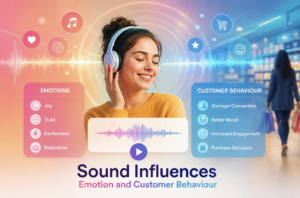
How Sound Influences Emotion and Customer Behaviour
Sound can influence mood almost immediately. A slow melody may create calmness. Meanwhile, a faster rhythm can increase excitement. These reactions depend on context and audience. Therefore, brands should avoid assuming that one sound creates the same response everywhere. Cultural expectations also affect sound perception. A musical style may feel familiar in one region. However, it may communicate something different elsewhere.
Brands operating internationally should test audio carefully. Local audiences may interpret tone, rhythm, and voice differently. Sound can also influence customer behaviour. Clear feedback tones can make digital actions feel reliable. Likewise, familiar music may improve advertising recall.
However, sound should support the experience rather than manipulate audiences. Respectful audio design creates stronger long-term relationships.
Why Transition Sounds Deserve More Strategic Attention
Transition effects are among the most common audio elements. Unfortunately, many brands choose them without considering identity. A generic whoosh may work technically.
However, it may communicate nothing unique. The speed of a transition changes its emotional meaning. Fast sounds can suggest innovation and energy. Slower sounds may communicate confidence and stability. Frequency also matters. Low tones often feel powerful and grounded. Higher tones may feel bright and lightweight. Texture adds another layer. A smooth transition may appear polished. Meanwhile, a rough texture may feel bold or experimental.
Therefore, brands should develop transition sounds intentionally. These effects should reflect visual movement and brand personality. A consistent transition palette can improve recognition across videos. It can also make separate campaigns feel connected.
How to Build a Strategic Sonic Branding System
Creating a sonic identity requires research and experimentation. It should begin with brand strategy rather than music production. First, identify the brand’s key personality traits. These traits may include confident, welcoming, innovative, calm, or energetic. Next, translate those traits into audio qualities. A confident brand may use strong rhythms. A welcoming brand may prefer warm instruments.
Then, review the existing visual identity. Colours, typography, movement, and imagery can inspire audio choices. Afterwards, study the competitive environment. This research helps identify common industry sounds. It also reveals opportunities for differentiation.
Sound designers can then create several creative directions. Each direction should interpret the brand differently. The team should evaluate emotional impact and practical performance. A sound may work well in a campaign. However, it may fail inside a mobile application.
Therefore, testing should cover several environments. These may include headphones, phones, laptops, televisions, and public spaces. The final system should include clear usage guidelines. These guidelines help future creators maintain consistency.
Testing Sonic Identity Across Real-World Touchpoints
A sonic identity should perform well beyond a studio environment. Real customers hear sounds through different devices. Phone speakers often reduce low frequencies.
Therefore, audio logos need clarity in smaller playback systems. Background noise can also affect recognition. A sound may disappear inside a busy environment. Consequently, important audio elements require careful testing. Volume differences create another challenge. A brand sound should remain recognisable without becoming intrusive. Accessibility should also guide the process. Some users may not hear certain frequencies. Others may disable audio completely.
Therefore, important information should never depend only on sound. Visual and tactile feedback should support essential actions. Testing improves both quality and inclusivity. It also prevents expensive changes after public release.
Why Consistency Matters More Than Constant Originality
Many brands chase new sounds because novelty feels exciting. However, frequent changes can reduce recognition. A complicated audio logo may impress creative teams. Nevertheless, audiences may forget it quickly. Consistency creates stronger associations. Repeated sound qualities become familiar over time.
Therefore, recognition grows through reliable exposure. This does not mean every audio element must sound identical. Instead, each sound should follow the same creative principles. A strong sonic system allows controlled variation. Music can change according to campaigns. Yet, the underlying personality remains stable.
The most effective identities often use limited ingredients. They repeat those ingredients with purpose. Restraint can create greater impact. A clear sonic language usually performs better than an overloaded collection.
Common Sonic Branding Mistakes to Avoid
Many brands create audio problems through inconsistent decisions. Fortunately, these mistakes can be prevented. The first mistake involves using unrelated stock sounds. These sounds may be convenient.
However, they often create weak recognition. The second mistake involves copying popular competitors. Similar audio may create confusion. Therefore, brands should seek relevant differentiation. Another mistake is creating an impressive audio logo without a supporting system. The logo may sound memorable. Yet, surrounding content can feel disconnected. Some brands also overuse sound. Constant alerts and effects can create fatigue. Therefore, silence should remain part of the design.
Ignoring device differences creates additional problems. Audio should be tested across realistic environments. Finally, many companies fail to document their audio rules. Without guidance, future teams may introduce inconsistent sounds.
The Growing Role of Sonic Branding in Digital Media
Digital technology continues to expand the importance of sound. Brands now appear through voice assistants, connected devices, and interactive platforms. Audio also plays a growing role in short-form video. A recognisable sound can help content feel connected across platforms. Podcasts create additional opportunities. Consistent introductions and transitions can strengthen brand recognition. Gaming environments also require thoughtful audio. Interactive sound can create deeper engagement. However, every effect should support the overall identity.
Artificial intelligence is changing audio production as well. Brands can now generate variations quickly. Nevertheless, automation requires clear creative direction. AI can increase efficiency. However, it cannot replace strategic understanding. A strong sonic identity still requires human judgement.
How Small Businesses Can Use Sonic Branding
Sonic branding is not limited to large corporations. Small businesses can begin with simple, consistent audio choices. A local company may create a short signature sound. It can use that sound in videos and advertisements. The business may also select a consistent music style. This approach creates familiarity without requiring expensive production. Voice guidelines can provide another affordable option. A consistent speaking style can strengthen brand personality.
Small businesses should focus on clarity. They do not need complex audio systems. Consistency delivers greater value than excessive production. Therefore, a simple identity can become effective through repeated use.
Measuring the Success of a Sonic Identity
Sonic branding should support measurable business goals. Companies can evaluate recognition through audience testing. Participants may hear a sound without visual branding. They can then identify the associated company. Brands can also measure emotional responses. Surveys may reveal whether the sound feels trustworthy or energetic. Digital performance offers additional insights. Video completion rates may show whether audio supports engagement.
Customer feedback can identify usability problems. For example, users may report that notifications feel distracting. Long-term measurement is important. Sonic recognition develops through repeated exposure. Therefore, results may improve gradually.
The Future of Brand Sound
The future of branding will become increasingly interactive. Customers will experience brands through more audio-enabled devices. Adaptive audio may also become common. Brand music could change according to user activity or context. Personalised experiences may create new opportunities. However, brands must protect consistency. Immersive technologies will increase demand for spatial sound. Audio may move around users inside virtual environments.
Despite these changes, core principles will remain stable. Brand sound must feel relevant, recognisable, and useful. Technology will create new formats. Nevertheless, clear sonic strategy will remain essential.
Conclusion: Every Brand Needs an Intentional Sound
Every business already communicates through sound. The real question involves control and consistency. Random audio choices can create mixed impressions. In contrast, intentional sound builds familiarity and trust. A strong sonic identity includes more than an audio logo. It connects music, voice, transitions, and interface sounds.
Most importantly, every element should share a clear sonic DNA. This connection helps audiences recognise the brand naturally. Originality matters, but consistency creates lasting value. Therefore, brands should develop sound systems with purpose.
The right sound can strengthen emotion and improve experiences. It can also make a brand more memorable. As digital experiences continue growing, sonic identity will become increasingly important. Brands that design their sound intentionally will gain a stronger advantage.
Frequently Asked Questions
1. What is sonic branding?
Sonic branding uses consistent sound elements to express and identify a brand.
2. What is an audio logo?
An audio logo is a short and recognisable sound connected with a brand.
3. Why is sound important for branding?
Sound creates emotional connections and improves brand recognition across multiple customer touchpoints.
4. Can small businesses use sonic branding?
Yes, small businesses can use simple audio signatures and consistent music styles.
5. What does sonic DNA mean?
Sonic DNA describes the shared audio characteristics that connect a brand’s sounds.
6. Are transition sounds part of sonic branding?
Yes, transition sounds influence brand personality and support consistent digital experiences.
7. How long should an audio logo be?
Most effective audio logos remain short, clear, and easy to remember.
8. Does sonic branding require original music?
Original music helps differentiation, but consistent sound choices can also build recognition.
9. How can brands test their audio identity?
Brands should test sounds across devices, environments, and audience groups.
10. What is the biggest sonic branding mistake?
The biggest mistake involves using unrelated sounds without a clear strategy.