

Music streaming continues evolving, and personalization now drives the listening experience. Streaming platforms increasingly rely on algorithms to understand user preferences. However, many listeners want stronger control over those suggestions.
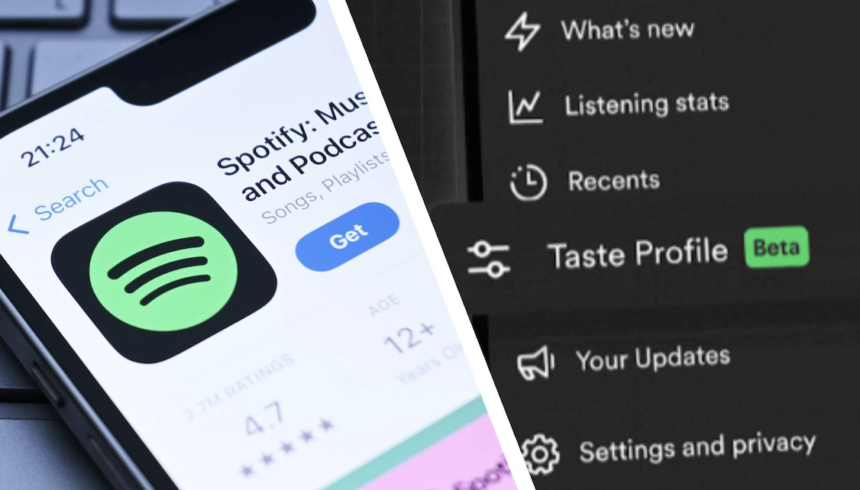
Therefore, Spotify introduces a powerful new feature called Taste Profile. This experimental tool allows users to shape their own recommendation system. Instead of relying only on algorithms, listeners can directly influence what appears on their homepage.
Consequently, music discovery becomes more personal, accurate, and enjoyable. Users now guide the platform toward sounds that truly match their mood and habits.
How Taste Profile Improves Personalized Music Recommendations
Taste Profile works like preference settings inside modern AI tools. Users describe their interests, moods, and listening behavior directly. The system then uses this feedback to refine future suggestions.
Moreover, the feature analyzes activity across music, podcasts, and audiobooks. It combines this information to build a deeper understanding of each listener. As a result, recommendations evolve alongside changing tastes.
For example, the system may notice a growing interest in 1990s alternative rock. Meanwhile, it could detect frequent plays of modern hip hop tracks. This insight allows the platform to adjust recommendations intelligently.
Additionally, Taste Profile shows users how the system interprets their preferences. This transparency helps listeners understand why certain songs appear. Therefore, the recommendation process feels clearer and more interactive.
Direct Feedback Helps Shape Your Listening Experience
Listeners can actively guide the recommendation engine using simple feedback tools. When suggestions feel accurate, the system reinforces those patterns. However, users can flag recommendations that miss their expectations.
Consequently, the platform learns which sounds deserve priority. At the same time, it reduces content that does not match user interest. This dynamic feedback loop constantly improves personalized playlists.
Users may request more songs from a specific genre or vibe. Alternatively, they can reduce suggestions from styles they rarely enjoy. Because of this flexibility, the listening experience becomes uniquely tailored.
Furthermore, listeners can share their current mood or activity. Morning routines, workouts, and relaxation sessions may influence recommendations differently. Therefore, the homepage evolves throughout the day.
A Smarter Home Screen Built Around Your Taste
Taste Profile directly impacts what appears on the main homepage. Every recommendation becomes more closely aligned with user habits. Consequently, discovering new artists feels easier and more exciting.
Instead of generic playlists, users receive suggestions matching their listening journey. Moreover, the system adapts quickly when musical interests change. This responsiveness keeps recommendations fresh and relevant.
Listeners exploring unfamiliar genres will see new suggestions appear gradually. Meanwhile, long-time favorites still remain part of the experience. Therefore, users enjoy both discovery and familiarity at the same time.
Additionally, Taste Profile merges insights from multiple audio formats. Music preferences combine with podcast interests and audiobook habits. This broader understanding strengthens personalization accuracy.
Why User Control Matters in Music Streaming
Algorithmic recommendations once dominated streaming platforms. However, listeners increasingly demand greater influence over their experience. Taste Profile responds to that demand effectively.
Direct input creates a stronger connection between users and their music libraries. Furthermore, listeners feel more confident exploring new artists. They understand how recommendations appear and evolve.
Consequently, the discovery process becomes more engaging and enjoyable. Personalized listening also reduces frustration from irrelevant suggestions. Therefore, users spend more time enjoying music rather than searching for it.
Additionally, this level of control builds trust in the platform. Transparent personalization encourages deeper engagement and loyalty.
Beta Testing and Availability
Taste Profile currently remains in a testing phase. The company first introduces the feature to a limited group of users. Premium subscribers in New Zealand will access the beta version soon.
Meanwhile, engineers gather feedback to improve performance and accuracy. User responses will shape how the feature evolves globally. Consequently, future updates may expand personalization even further.
Testing ensures the recommendation system responds correctly to user input. Additionally, developers analyze how listeners interact with the feedback tools. This process helps refine the experience before wider release.
The Future of Personalized Music Discovery
Taste Profile signals a major shift toward user-guided streaming experiences. Music platforms increasingly combine artificial intelligence with direct listener feedback. Consequently, recommendation systems become smarter and more responsive.
Listeners will likely expect this level of personalization across streaming services. Therefore, interactive preference tools may soon become standard features.
Moreover, personalized discovery encourages exploration of new artists and genres. Users feel confident stepping outside their usual playlists. As a result, music culture benefits from broader exposure and diversity.
Taste Profile ultimately places listeners at the center of their audio experience. Control, transparency, and personalization now define the future of music streaming.
Read Also: Spotify Launches Audiobook Charts in the U.S. and U.K. to Boost Discovery