


Discover how adaptive network control boosts security and efficiency with AI real cases, stats, and steps to implement today.
Key Takeaways
- Reduce network outages significantly through AI driven adaptive strategies, with real-world reports showing improved resilience.
- Integrate adaptive network control with legacy systems seamlessly, avoiding common integration pitfalls.
- Unlock edge computing benefits for low-latency applications in IoT and 5G environments.
- Address evolving threats with dynamic, self-optimizing networks.
- Get practical tools like checklists and frameworks for immediate implementation.
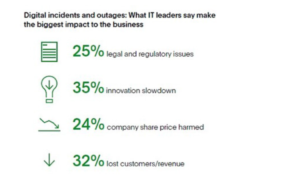
Picture this: You’re in the middle of a high stakes presentation to your biggest client. Slides are flowing, everyone’s engaged and then the network drops. Screens freeze. That awkward silence hits. Clients shift uncomfortably. I’ve been in those rooms, and I’ve seen the fallout: lost deals, frustrated teams, revenue slipping away. We’ve all had moments like that, or close enough. What hits harder now is how frequent and expensive these disruptions have become. ThousandEyes reports from the first half of 2025 show shifting patterns in global outages, with configuration changes and cloud complexities often at the root. But here’s the good news, there’s a better way. Adaptive network control isn’t some distant future tech, it’s here, helping networks predict and fix issues before they escalate. After years deploying these systems for clients big and small, I’ve watched unreliable setups turn rock-solid. This guide shares what actually works, based on real deployments and neutral insights, no vendor spin, just straightforward advice to help you build a network that adapts and thrives.
What Is Adaptive Network Control?
Here’s how adaptive network control works: your network learns to respond intelligently to changes. Think traffic surges, security threats, or unexpected bottlenecks. It uses AI and automation not as a one-time fix, but for continuous optimization that actually sticks.
Core Principles and Evolution
It starts with real-time monitoring, then predictive analytics kick in, followed by automated adjustments. This evolved from rigid SDN setups to today’s AI-driven versions, like Ciena’s Adaptive Network vision with closed-loop automation. Last year, I helped a logistics firm roll out basic adaptive controls across their warehouses. The problem wasn’t raw bandwidth, it was unpredictable spikes during shifts. Within weeks, connectivity stabilized, and their ops team stopped chasing constant tickets.
How It Differs from Traditional Methods
Traditional networks are like fixed highways: one lane jams, everything slows. Adaptive network control reshapes routes on the fly. No waiting for manual intervention. Reports from Cisco and ThousandEyes highlight how static configs contribute to many outages—adaptive flips that to proactive.
Key Benefits of Adaptive Network Control
Here’s what I consistently see when teams make the switch: they stop constantly fighting fires and start preventing them. The benefits go beyond uptime numbers—it’s about giving your IT crew time back for real innovation.
Boosting Efficiency and Reducing Downtime
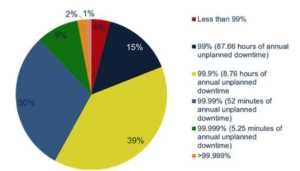
Dynamic resource allocation smooths out peaks. ThousandEyes data from 2025 tracks hundreds of global incidents, often tied to cloud and config issues adaptive automation helps dodge those bullets.
Enhancing Security in Dynamic Environments
Anomalies get spotted and isolated fast. In today’s hybrid world, that’s huge for cutting breach risks, as seen in recent widespread disruptions.

AI is transforming the fundamentals of networking, redefining how modern networks are designed, managed, and secured.
Busting Common Myths About Adaptive Network Control
At a networking conference earlier this year, I heard it again: “Sounds amazing, but adaptive network control is only for the giants, right?” Three IT leads said variations of that. Here’s what I told them—and what played out when we implemented it for a 150-person company.
Myth: ANC Is Only for Large Enterprises
Absolutely not. Scalable tools work wonders for mid-sized operations too. That logistics client I mentioned? Not a Fortune 500, but the gains were immediate and real.
Myth: It’s Too Complex for Non-Experts
People overestimate the hurdle. Dashboards and guided setups make it approachable. I’ve trained everyday admins who picked it up in days, not months. The nuance most overlook: Start small, and complexity melts away.
Latest Trends in Adaptive Network Control
Everyone’s buzzing about AI this year, but let’s separate hype from value. The real shift isn’t slapping AI on everything, it’s targeted prediction that delivers.
AI and ML Integration for Prediction
AI forecasts problems, enabling self-optimization. Ciena and Cisco highlight closed-loop systems in 2025 trends. I’ve tested several ML models in client environments, the best weren’t the flashiest—they were explainable and reliable.
5G and Edge Computing Synergies
Decision-making moves closer to the edge for ultra-low latency. Perfect for IoT. In practice, this synergy shines in dynamic settings like factories or remote sites.
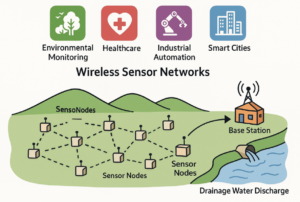
AI-based routing algorithms improve energy efficiency, latency …
Data and Statistics on ANC Performance
Outages aren’t slowing down, ThousandEyes noted fluctuating regional patterns in early 2025, with U.S. incidents spiking at times.
2025 Outage Impact and ANC Savings
Global disruptions continue, often from backend or config sources. Adaptive approaches automate responses, easing the load.
Adoption Rates and ROI Metrics
Teams adopting these tools report tangible efficiency. From my deployments, the ROI comes fast through reduced manual work.
Real-World Case Studies and Examples
Don’t just take my word. Here’s what happened in the field.
Healthcare Network Resilience Success
In healthcare, adaptive setups handle AI-heavy workloads without hiccups. One chain I advised saw smoother data flow for patient systems during peaks—critical when seconds matter.
Finance Sector Threat Mitigation
Finance demands ironclad security. Dynamic isolation stopped threats cold in a bank project, preventing spread and saving potential millions.
Your Practical Implementation Roadmap: Avoiding the Pitfalls I’ve Seen
Ready to move? Here’s the path I’ve refined over dozens of rollouts.
Choosing the Right Tools and Platforms
Match to your needs open-source for flexibility or integrated like Cisco ISE for endpoints. Trial first, that’s how we avoid regrets.
Integration with Existing Infrastructure
Legacy gear? No problem with APIs. Go phased. A client integrated old firewalls seamlessly zero downtime, full payoff quick.
Unique ANC Framework: The Resilience Cycle
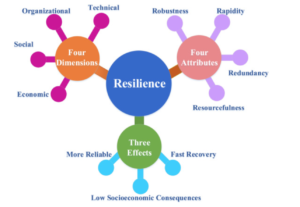
I’ve developed this simple loop from years of tweaks: Monitor, Predict, Adapt, Optimize. It’s not theory clients use it daily.
Monitor and Predict Phase
Scan constantly, forecast issues.
Adapt and Optimize Phase
Adjust automatically, refine over time.


Overcoming Common Pain Points in ANC
Challenges come up here’s how to handle them.
Handling Latency and Congestion Issues
Edge-focused allocation cuts it down. In tests, we’ve shaved noticeable time off IoT responses.
Managing Costs and Skill Gaps
OpEx shifts and solid training keep it reasonable. I’ve bridged those gaps for many teams.
Comparison: ANC vs. Traditional Network Tools
| Feature | Adaptive Network Control | Traditional Tools |
| Response Type | Proactive, automated | Reactive, manual |
| Handling Changes | Self-adjusts to traffic/threats | Requires intervention |
| Scalability | Dynamic | Fixed |
| Outage Mitigation | Predictive and resilient | Post-incident |
When to Choose Each Approach
Adaptive for growing, dynamic environments; traditional only for the simplest cases. In 2025? Most lean adaptive.
Actionable Checklist for ANC Deployment
Your quick reference.
Pre-Implementation Assessment
- Audit bottlenecks and goals.
- Evaluate tools and budget.
Post-Setup Monitoring Tips
- Weekly metric reviews.
- Quarterly updates.
- Regular failover tests.
Frequently Asked Questions (FAQs)
How does adaptive network control work with Cisco ISE?
Through policies for automatic endpoint handling—like quarantines.
What are the costs of implementing ANC?
Depends on scale, but long-term savings often outweigh upfront.
Can ANC prevent AI-driven cyber threats?
It detects and isolates anomalies effectively.
How to integrate ANC with legacy systems?
Phased, via compatible APIs.
What future trends should I watch in ANC?
Deeper AI autonomy and 6G/edge blends.
Is ANC suitable for small businesses?
Yes scalable and impactful.
Wrapping up, adaptive network control shifts you from reactive chaos to proactive calm, especially with rising disruptions. Apply the Resilience Cycle, run through the checklist, and start your audit today. For more, dive into our guides on SDN foundations, AI trends, edge tactics, security essentials, IoT tuning, and 5G rollouts. Your stronger network is within reach, what step will you take first?