

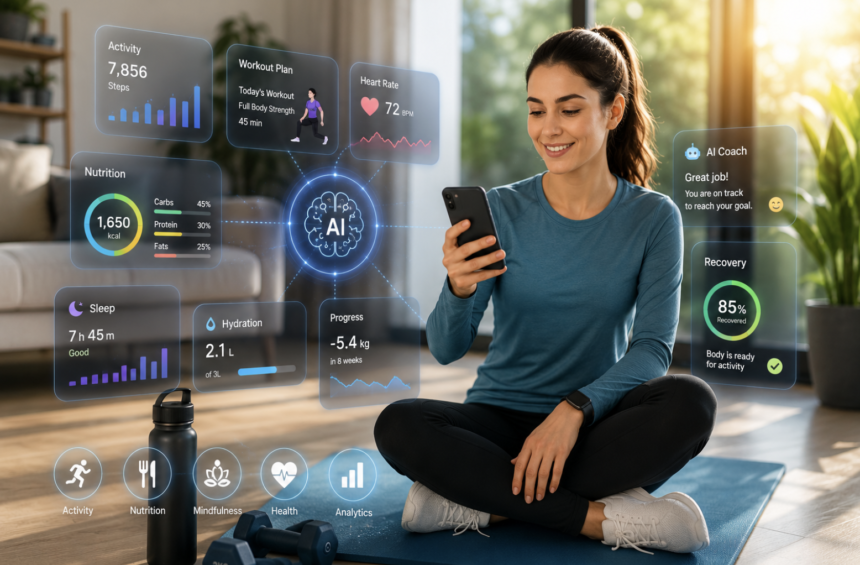
The fitness industry has entered a completely new era. Modern users no longer want simple workout trackers or basic calorie counters. Instead, they expect intelligent applications that understand their habits, predict their needs, and provide personalized coaching every day. Artificial intelligence has become the driving force behind this transformation, allowing fitness applications to deliver customized workouts, nutrition guidance, recovery suggestions, and health insights with remarkable accuracy.
Why AI Fitness App Development Is Shaping the Future of Digital Health
As wearable devices continue collecting valuable health data, AI-powered fitness applications can process millions of data points instantly. Consequently, users receive smarter recommendations that evolve alongside their progress. Businesses also benefit because personalized experiences increase user satisfaction, improve retention rates, and create long-term customer loyalty.
Today, AI Fitness App Development has become far more than a technological trend. It represents the future of digital healthcare, wellness, and personal fitness. Companies investing in AI-driven fitness solutions are positioning themselves ahead of competitors while delivering exceptional value to users worldwide.
What Is AI Fitness App Development?
AI Fitness App Development refers to designing and developing mobile applications that use artificial intelligence to create intelligent, personalized fitness experiences. Unlike traditional fitness apps that rely on static workout plans, AI-powered applications continuously analyze user behavior and automatically adjust recommendations. These applications collect data from multiple sources, including:
- Workout performance
- Heart rate monitoring
- Sleep patterns
- Nutrition habits
- Daily activity
- Wearable devices
- Health tracking platforms
- User preferences
Instead of asking users to manually update every detail, AI systems automatically process this information. Therefore, recommendations become increasingly accurate over time. As a result, users receive personalized coaching without hiring a personal trainer.
Why AI Is Revolutionizing the Fitness Industry
Artificial intelligence has completely changed the way people approach fitness. Rather than following generic exercise programs, users now enjoy highly customized fitness journeys. Several factors explain why AI has become essential for modern fitness applications.
Personalized Fitness Experiences
Every individual has unique goals, body types, medical conditions, and activity levels. AI recognizes these differences immediately. Instead of offering identical workout plans, intelligent systems create customized programs based on:
- Weight loss goals
- Muscle building
- Athletic performance
- Rehabilitation
- Daily activity
- Fitness history
- Age
- Lifestyle
Consequently, users remain motivated because every recommendation feels relevant.
Continuous Learning Improves Accuracy
Artificial intelligence becomes smarter with every interaction. Each completed workout helps the AI understand:
- Exercise preferences
- Recovery speed
- Performance improvements
- Motivation patterns
- Fatigue levels
Therefore, recommendations improve continuously instead of remaining fixed.
Real-Time Adaptation
Traditional fitness apps require manual updates. AI-powered applications automatically adjust:
- Workout intensity
- Exercise duration
- Rest periods
- Nutrition suggestions
- Recovery plans
This adaptability significantly improves the user experience.
Higher User Engagement
People abandon generic fitness apps quickly. However, personalized experiences encourage long-term engagement. Daily progress reports, intelligent reminders, achievement tracking, and adaptive coaching keep users motivated for months instead of weeks.
Core AI Technologies Behind Smart Fitness Applications
Modern AI fitness applications combine several advanced technologies to create seamless user experiences.
Machine Learning (ML)
Machine Learning analyzes user behavior and predicts future performance. It powers:
- Personalized workout recommendations
- Nutrition planning
- Recovery estimation
- Goal tracking
- Performance optimization
As more data becomes available, predictions become increasingly reliable.
Computer Vision
Computer Vision allows applications to analyze body movement using smartphone cameras. Users receive instant feedback regarding:
- Exercise posture
- Squat depth
- Push-up form
- Yoga alignment
- Balance correction
Consequently, users reduce injury risks while improving exercise quality.
Natural Language Processing (NLP)
Natural Language Processing enables voice interaction between users and fitness applications. Virtual coaches answer questions like:
- “How many calories did I burn today?”
- “Suggest today’s workout.”
- “Increase workout difficulty.”
- “Track my water intake.”
This creates a much smoother user experience.
Predictive Analytics
Predictive Analytics identifies future trends using historical fitness data. The technology predicts:
- Weight loss progress
- Muscle growth
- Injury risks
- Recovery periods
- Workout consistency
Therefore, users receive proactive recommendations before problems occur.
Generative AI
One of the newest innovations is Generative AI. Instead of using predefined workout libraries, AI can generate:
- Customized workout plans
- Meal recommendations
- Weekly fitness schedules
- Motivational coaching
- Personalized health reports
This dramatically increases personalization.
Must-Have Features of an AI Fitness App
Successful AI fitness applications include features that maximize personalization and user satisfaction.
Smart Personalized Workout Plans
Workout routines automatically adjust according to:
- Strength improvements
- Missed workouts
- Recovery status
- User feedback
- Performance metrics
This eliminates repetitive exercise schedules.
AI Nutrition Planning
Nutrition plays a critical role in fitness success. AI meal planning includes:
- Calorie calculations
- Macronutrient recommendations
- Meal timing
- Grocery suggestions
- Hydration reminders
Some advanced applications even analyze food photos using AI image recognition.
Real-Time Coaching
AI coaches provide live guidance during workouts. They can:
- Count repetitions
- Correct posture
- Monitor pace
- Recommend rest
- Increase intensity
This simulates having a personal trainer available anytime.
Wearable Device Integration
Modern fitness applications integrate seamlessly with:
- Apple Watch
- Fitbit
- Garmin
- Samsung Galaxy Watch
- WHOOP
- Google Fit
- Apple Health
Continuous synchronization improves recommendation accuracy.
Progress Analytics Dashboard
Detailed dashboards help users visualize:
- Weekly improvements
- Calories burned
- Workout consistency
- Sleep quality
- Heart rate trends
- Body measurements
Clear visual reports increase motivation.
Gamification Features
Gamification makes workouts enjoyable. Popular features include:
- Achievement badges
- Daily challenges
- Leaderboards
- Fitness streaks
- Reward systems
- Community competitions
These elements significantly improve retention.
Mental Wellness Integration
Modern wellness extends beyond physical fitness. Many AI applications now include:
- Guided meditation
- Stress monitoring
- Breathing exercises
- Mood tracking
- Sleep improvement suggestions
This creates a complete wellness ecosystem.
Step-by-Step Guide to Building an AI Fitness App
Step 1: Define Your Target Audience
Identify the primary users before development begins. Examples include:
- Beginners
- Professional athletes
- Seniors
- Weight loss users
- Bodybuilders
- Rehabilitation patients
A focused audience improves product success.
Step 2: Research Market Trends
Analyze competing fitness applications carefully.
Identify:
- Missing features
- Customer complaints
- Popular functionality
- Revenue opportunities
This research helps differentiate your application.
Step 3: Select the Right AI Technologies
Choose technologies that support your objectives. Common AI frameworks include:
- TensorFlow
- PyTorch
- OpenAI models
- Google ML Kit
- Microsoft Azure AI
Selecting scalable technologies reduces future costs.
Step 4: Design an Exceptional User Experience
Great AI becomes useless if navigation feels confusing. Focus on:
- Simple onboarding
- Easy navigation
- Clear dashboards
- Minimal clicks
- Fast performance
Excellent UI improves user retention.
Step 5: Develop AI Models
Train AI using quality datasets. Development includes:
- Data collection
- Data cleaning
- Model training
- Accuracy testing
- Continuous optimization
Reliable datasets produce better recommendations.
Step 6: Integrate Wearable Devices
Health tracking becomes more effective after integrating wearable technology. Continuous monitoring improves AI decision-making.
Step 7: Test Thoroughly
Testing should include:
- Performance testing
- Security testing
- AI accuracy
- Device compatibility
- User experience
- Load testing
Early testing prevents costly problems later.
Step 8: Launch and Improve Continuously
Launch represents the beginning rather than the end. Gather user feedback consistently. Then improve:
- AI recommendations
- New features
- Performance
- Security
- User interface
Continuous improvement keeps applications competitive.
Common Challenges in AI Fitness App Development
Despite its advantages, AI development introduces several challenges.
Data Privacy
Fitness applications manage sensitive health information. Developers must comply with privacy regulations while implementing strong encryption and secure authentication.
Development Costs
Artificial intelligence increases initial investment. However, long-term customer retention often offsets these expenses.
Data Quality
Poor-quality data produces poor recommendations. Accurate AI depends on reliable, consistent datasets.
Model Maintenance
AI models require continuous updates. Without retraining, recommendations become outdated.
Integration Complexity
Connecting multiple APIs, wearable devices, and healthcare platforms requires careful planning. Poor integrations reduce overall performance.
Emerging Trends Shaping AI Fitness Apps
The industry continues evolving rapidly. Several innovations are defining the future.
Digital Twin Technology
AI can create digital versions of users. These virtual models simulate fitness progress before users begin new training plans.
Augmented Reality Workouts
AR overlays interactive coaching directly into users’ environments. Exercises become more engaging and immersive.
Virtual Personal Trainers
Advanced AI avatars now deliver personalized coaching with realistic conversations. These virtual trainers remain available 24 hours daily.
Emotion Recognition
Future AI systems may analyze facial expressions and voice tone. Applications could adjust workouts according to motivation or stress levels.
Smart Healthcare Integration
Fitness applications increasingly connect with hospitals, physicians, and health insurance providers. This creates comprehensive preventive healthcare ecosystems.
How to Choose the Best AI Fitness App Development Company
Selecting the right development partner significantly influences project success. Look for companies that offer:
- Proven AI expertise
- Mobile development experience
- Healthcare industry knowledge
- Strong cybersecurity practices
- Cloud infrastructure capabilities
- Post-launch maintenance
- Scalable architecture
- Transparent communication
Additionally, review previous case studies before making a decision. An experienced development partner can shorten timelines while improving product quality.
Benefits of Investing in AI Fitness App Development
Businesses gain numerous advantages from AI-powered fitness solutions. Key benefits include:
- Higher customer engagement
- Better user retention
- Increased subscription revenue
- Personalized experiences
- Reduced manual coaching costs
- Continuous product improvement
- Competitive market positioning
- Valuable business intelligence
- Enhanced customer satisfaction
These advantages make AI one of the most valuable investments in digital wellness.
Conclusion
Artificial intelligence is redefining the future of fitness technology. Users now expect applications that understand their habits, monitor their progress, and provide personalized coaching every day. Consequently, businesses must move beyond traditional workout trackers and embrace intelligent, adaptive platforms.AI Fitness App Development enables companies to deliver smarter recommendations, automate health analysis, and create engaging wellness experiences that evolve continuously. Furthermore, innovations such as machine learning, computer vision, predictive analytics, wearable integration, and generative AI are pushing the industry toward an even more personalized future.
Organizations that invest in AI-powered fitness solutions today will be better prepared to meet tomorrow’s health and wellness demands. As technology continues advancing, intelligent fitness applications will become essential tools for healthier lifestyles across the world.
Frequently Asked Questions
1. What is AI Fitness App Development?
AI Fitness App Development creates intelligent fitness apps that personalize workouts using artificial intelligence.
2. Why is AI important for fitness apps?
AI delivers personalized recommendations, automation, and real-time health insights.
3. Can AI replace personal trainers?
AI complements trainers by providing continuous guidance and personalized support.
4. Which AI technology is most important in fitness apps?
Machine Learning remains the foundation of most intelligent fitness applications.
5. Are AI fitness apps secure?
Yes, secure apps use encryption, authentication, and privacy compliance standards.
6. Do AI fitness apps work with wearable devices?
Yes, most integrate with popular smartwatches and health trackers.
7. How does AI improve workout recommendations?
AI analyzes user data and adjusts workouts based on performance and progress.
8. Is AI Fitness App Development expensive?
Costs vary depending on features, AI complexity, integrations, and platform requirements.
9. Can AI create personalized meal plans?
Yes, AI generates customized nutrition plans using health and dietary data.
10. What is the future of AI fitness applications?
The future includes smarter coaching, predictive healthcare, AR workouts, and advanced virtual trainers.