

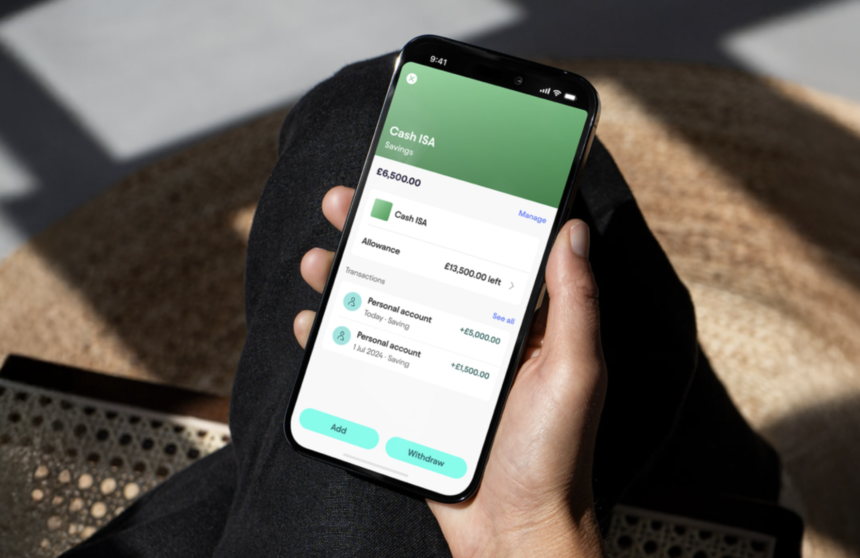
Every tax year, millions of people across the UK put money into an Individual Savings Account without fully weighing up how the allowance works, which type suits their goals, or what happens if the rules are broken by accident. An ISA is one of the few savings tools where growth and interest sit outside the reach of income tax and capital gains tax, which makes it a useful piece of a personal finance plan whether the aim is a house deposit, a retirement cushion, or a rainy-day buffer.
Yet the range of ISA types, the yearly allowance, and the rules on transfers and withdrawals can feel more complicated than they need to be, especially for a first-time saver trying to work out where to begin. This guide sets out how ISAs work in practice, the choices available, and the mistakes worth avoiding so the tax-free benefit is not lost through a simple slip.
Eligibility and Allowance Basics
To open an ISA, a saver generally needs to be a UK resident for tax purposes and meet a minimum age requirement, which varies slightly between the different account types on offer from banks, building societies, and investment platforms. Each tax year, which runs from April to April, HM Revenue and Customs sets an overall allowance that caps how much can be paid into ISAs in total, whether that money sits in one account or is split across several providers.
The annual allowance is reviewed by the government periodically, so it is worth checking the current figure directly with HMRC or a provider rather than relying on a number that might have moved since it was last quoted in an older article or forum post. Savers can spread their allowance across different ISA types in the same tax year, such as putting part into a cash ISA and part into a stocks and shares ISA, provided the combined total does not exceed the yearly limit set for that period.
Money that is not used by the end of the tax year does not carry forward, so unused allowance is lost rather than banked for later use. This is one reason many households treat contributions to an ISA as a habit rather than a one-off decision, topping up small amounts through the year instead of trying to find a lump sum before the April deadline arrives.
- Tax year cycle: The allowance resets every April, so unused headroom from one year cannot be carried into the next.
- Multiple account types: A saver can hold a cash ISA, a stocks and shares ISA, a lifetime ISA, and an innovative finance ISA at once, subject to the shared limit.
- Residency rules: Eligibility generally depends on UK tax residency, with some exceptions for those who were resident when the account was first opened.
- Junior accounts: A separate allowance and set of rules apply to Junior ISAs, which are held on behalf of a child until they reach adulthood.
New savers sometimes assume that opening an ISA is a complex process involving paperwork and a branch visit, when in practice most providers now allow an account to be opened online within a few minutes, with identity checks handled automatically in the background. The bigger decision is usually not how to open the account but which provider and which type of ISA best fits the saver’s circumstances, since switching later, while possible, can involve a small amount of admin that is easier to avoid by choosing carefully at the start.
Choosing Between Cash and Stocks and Shares ISAs
A cash ISA behaves much like a standard savings account, except the interest earned is sheltered from tax for as long as it stays inside the wrapper. It suits money that might be needed within a few years, such as a deposit being built for a house move or a wedding, because its value does not fluctuate with market movements the way an investment can. A stocks and shares ISA instead holds investments such as funds, shares, or bonds, which carry the possibility of higher long-term growth alongside the risk that the value can fall as well as rise over any given period. Choosing between the two is less about which is objectively better and more about matching the account to a time horizon and a comfort level with risk.
Many people split their allowance between both, treating the cash portion as a shorter-term buffer and the stocks and shares portion as a longer-term growth vehicle, often held for five years or more to smooth out market swings along the way. A lifetime ISA adds a further layer aimed specifically at a first home or retirement, with a government top-up attached, though it comes with restrictions on when the money can be withdrawn without a penalty being applied. An innovative finance ISA, which wraps peer-to-peer lending, tends to carry a different risk profile again and is used less commonly than the other three.
Before committing, it helps to read the specific terms of a provider, since fees, transfer rules, and access to funds vary between banks, building societies, and investment platforms, even when the underlying tax treatment stays the same across the board. It also helps to think about how often the money might need to be touched. A cash ISA that charges a penalty for early access, in exchange for a slightly higher rate, may not suit a fund earmarked for near-term costs such as a car repair or a house deposit due within the year.
A stocks and shares ISA, on the other hand, tends to reward patience, since short-term dips in value are a normal part of investing rather than a sign that something has gone wrong with the chosen fund. Reviewing a provider’s fact sheet before opening an account, rather than after, saves a good deal of frustration later.
Managing Multiple ISAs in a Tax Year
Holding several ISAs is common, especially for savers who opened a cash ISA years ago and later added a stocks and shares ISA once they became more confident with investing their money further afield. Keeping track of contributions across accounts matters because paying in more than the shared allowance across all ISA types in a single tax year can trigger a breach that needs to be corrected with the provider or HMRC directly. Most people manage this by keeping a simple record of what has gone into each account since April, rather than assuming a bank will flag the issue automatically on their behalf.
Transfers between providers are a separate matter from new contributions and, when done correctly through an official ISA transfer process rather than a withdrawal followed by a fresh deposit, do not use up any additional allowance. Moving an old ISA to a provider with a better rate or a wider fund range is often worthwhile, but doing it by withdrawing the cash directly can accidentally forfeit the tax-free status of that money, so the transfer form supplied by the new provider should always be used instead of a manual withdrawal.
- Contribution tracking: Keep a running note of deposits across every ISA to avoid breaching the combined annual limit.
- Official transfers: Use the provider’s transfer process rather than withdrawing funds, so the tax-free wrapper is preserved.
- Old accounts: Dormant ISAs from previous years still count toward total ISA savings and can usually be transferred at any time.
- Provider statements: Annual statements from each provider help confirm how much of the allowance has been used before the tax year ends.
Common Mistakes to Avoid
One frequent error is opening two of the same type of ISA, such as two cash ISAs, and paying into both within the same tax year, which for many years was not permitted under older rules, though newer flexibility has changed some of these details over time. Because rules have shifted, it is worth confirming with a provider or current HMRC guidance what the position is before assuming an older restriction still applies to a new account.
A second common slip is missing the tax year deadline while waiting for a better rate to appear on the market, only to lose that year’s allowance entirely once April passes without warning. Another mistake involves flexible ISAs, which allow money to be withdrawn and replaced within the same tax year without it counting twice against the allowance, but only if the account is specifically labelled as flexible by the provider offering it.
Assuming a standard ISA works this way and withdrawing funds can permanently reduce the amount of allowance left for that year without any way to reverse it. Finally, some savers overlook fees and account charges on stocks and shares ISAs, which can quietly erode the tax benefit if the fund choice is poor or the platform charges sit high relative to the size of the pot being held. Reading the key features document before signing up prevents most of these problems from arising later on.
How Withdrawals and Flexible ISAs Work
Withdrawing money from an ISA is usually straightforward, though the effect on the allowance depends on whether the account is flexible or not. In a flexible ISA, replacing withdrawn money within the same tax year does not use up extra allowance, which suits people who might need to dip into savings for an emergency and then top the account back up once their finances settle again. In a non-flexible account, the same withdrawal permanently reduces how much can still be paid in that year, even if the money is put straight back into the account soon after.
Lifetime ISAs carry additional restrictions, since withdrawals outside the approved purposes of a first home purchase or retirement typically come with a government charge that claws back more than just the bonus received on top of contributions. This makes a lifetime ISA less suitable as a general emergency fund compared with a standard cash or stocks and shares ISA held alongside it.
- Flexible accounts: Withdrawals can be replaced in the same tax year without reducing the annual allowance further.
- Non-flexible accounts: A withdrawal permanently uses up part of that year’s allowance, whether or not the money is later returned.
- Lifetime ISA penalties: Early withdrawal outside approved purposes usually triggers a charge that reduces the total below what was originally paid in.
- Notice periods: Some cash ISAs require advance notice before funds can be withdrawn without losing interest earned.
Long-Term Planning with ISAs
Because the tax-free wrapper applies for as long as the money stays within an ISA, the accounts work well as a long-term store of wealth rather than only a place to park short-term savings for a rainy day. Reviewing the mix between cash and investments once a year, alongside checking whether a better rate or lower-fee platform is available elsewhere, keeps the overall pot working harder without adding much administrative effort along the way. For those saving toward retirement alongside a workplace pension, an ISA offers a flexible complement, since money can be accessed at any age without the restrictions that apply to pension funds locked away until later life.
Families sometimes use Junior ISAs to build a savings pot for a child, which the child gains full control of once they reach adulthood, at which point it converts into a standard adult ISA automatically. Keeping paperwork organised, including transfer records and annual statements, makes it far easier to plan ahead and to pass on accurate information to a financial adviser if one is ever consulted about the wider picture.
Some savers also use their ISA allowance as a way to build separate pots for different goals, such as one account earmarked for a home deposit and another kept purely for retirement top-ups alongside a workplace pension. While an ISA cannot be legally split into labelled sub-accounts in the way a budgeting app might suggest, keeping separate providers or separate accounts for separate goals achieves much the same outcome in practice, and it makes it easier to resist dipping into retirement savings for a short-term want.
- Annual review: Check rates, fund performance, and fees at least once a year rather than leaving an ISA untouched indefinitely.
- Pension complement: Use ISA flexibility alongside a workplace pension to balance accessible savings with long-term retirement income.
- Junior ISA conversion: A Junior ISA automatically becomes an adult ISA once the child turns eighteen, with control passing to them.
- Record keeping: Store transfer confirmations and statements together to make future planning and advice sessions more straightforward.
Final Thoughts
ISAs remain one of the more approachable tools available to UK savers, offering tax-free growth without demanding constant attention once the basics are in place from the outset. The choice between cash and investment-based accounts comes down to time horizon and appetite for risk, while the shared annual allowance rewards those who plan contributions across the tax year rather than leaving everything to the final weeks before April.
Keeping track of transfers, flexible withdrawal rules, and provider fees prevents most of the common pitfalls that quietly reduce the value of the tax-free wrapper over time. With a little organisation, an ISA can support both near-term goals, such as a deposit or an emergency buffer, and longer-term aims like retirement, sitting alongside a workplace pension as part of a wider financial plan for the years ahead.
Frequently Asked Questions
Can I have more than one ISA at the same time?
Yes, it is possible to hold several ISAs, including different types such as a cash ISA and a stocks and shares ISA, as long as total new contributions across all accounts in a tax year stay within the combined annual allowance set by the government for that period.
What happens to unused ISA allowance at the end of the tax year?
Unused allowance does not roll over into the following year. Once the tax year ends in April, any headroom left in that year’s limit disappears for good, and a fresh allowance becomes available for the new tax year starting the following day.
Is it possible to transfer an old ISA to a new provider?
Yes, and this should be done through the official transfer process offered by the receiving provider rather than by withdrawing the money directly, since a direct withdrawal can remove the tax-free status of those funds permanently.
Do children have access to their own ISA allowance?
Children under eighteen cannot open a standard adult ISA, but a Junior ISA can be opened on their behalf with its own separate allowance, and control of the account passes to the child once they turn eighteen years old.
Are ISA withdrawals taxed when the money is taken out?
No, withdrawals from an ISA are not subject to income tax or capital gains tax, which is part of what distinguishes the account from other savings and investment options held outside the ISA wrapper entirely.
What is the difference between a flexible and a non-flexible ISA?
A flexible ISA allows withdrawn money to be replaced within the same tax year without reducing the remaining allowance, while a non-flexible ISA treats any withdrawal as a permanent reduction of that year’s contribution limit.