

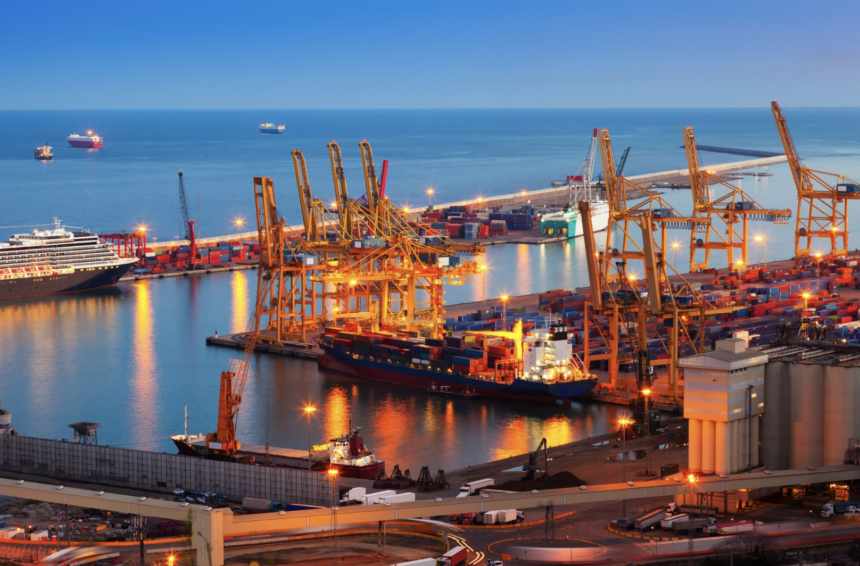
A global shipping centre drives international commerce through efficient maritime operations. It connects continents while enabling smooth cargo movement across borders. Moreover, it supports global supply chains with speed and reliability. Therefore, businesses rely on such centres to expand market reach.
Strategic Importance of a Global Shipping Centre
A global shipping centre holds a strategic economic position. It links manufacturers, suppliers, and consumers worldwide. As a result, trade flows remain consistent and predictable. Furthermore, central locations reduce transit time significantly. Consequently, companies lower costs while improving delivery performance.
Geographical Advantage and Port Connectivity
Location defines the success of a global shipping centre. Ports near major sea routes attract constant vessel traffic. Additionally, deep water access accommodates large container ships. Hence, global carriers prioritize these hubs for operations. Meanwhile, seamless inland connections boost cargo distribution efficiency.
Advanced Port Infrastructure and Facilities
Modern infrastructure strengthens a global shipping centre. Automated terminals increase loading speed and accuracy. Similarly, smart cranes reduce turnaround times at docks. Therefore, ports handle higher volumes without congestion. In addition, cold storage supports temperature-sensitive goods effectively.
Role in International Supply Chain Management
A global shipping centre anchors supply chain resilience. It ensures the consistent movement of raw materials and finished products. Consequently, industries maintain steady production schedules. Moreover, centralized logistics simplify inventory management. Thus, businesses achieve greater operational control.
Digital Transformation in Global Shipping Centres
Technology reshapes operations within global shipping centres. Digital tracking improves shipment visibility instantly. Likewise, blockchain enhances documentation security. As a result, transparency increases across logistics networks. Furthermore, predictive analytics reduces operational disruptions.
Economic Impact on Regional and Global Markets
A global shipping centre stimulates economic growth. It creates employment across logistics and allied industries. Additionally, trade volumes generate significant government revenue. Therefore, regions hosting such centres attract foreign investment. Meanwhile, small businesses gain access to global markets.
Sustainability and Green Shipping Initiatives
Sustainability defines modern global shipping centres. Ports now actively adopt cleaner energy solutions. For instance, shore power reduces vessel emissions. Similarly, green fuels support eco-friendly maritime transport. Consequently, environmental impact decreases steadily.
Security and Compliance Standards
Security remains vital for a global shipping centre. Strict regulations protect cargo and port infrastructure. Additionally, advanced surveillance systems enhance safety. Thus, stakeholders trust secure logistics environments. Moreover, compliance ensures uninterrupted international operations.
Multimodal Transport Integration
Integration strengthens the efficiency of global shipping centres. Rail, road, and air links support seamless cargo transfers. Therefore, goods reach destinations faster. In contrast, fragmented systems cause costly delays. Hence, integrated transport networks remain essential.
Innovation and Future Growth Opportunities
Innovation drives the future of global shipping centres. Autonomous vessels promise operational efficiency gains. Likewise, artificial intelligence optimizes port traffic flow. As a result, competitiveness continues to rise. Meanwhile, continuous investment sustains long-term growth.
Competitive Advantage for Global Businesses
A global shipping centre offers a strong competitive advantage. It enables faster market entry worldwide. Moreover, reduced logistics costs improve profit margins. Therefore, companies scale operations confidently. In addition, reliable shipping builds customer trust.
Resilience During Global Trade Disruptions
Resilience defines the value of a global shipping centre. It adapts quickly during economic or geopolitical challenges. Consequently, trade continuity remains possible. Furthermore, diversified routes reduce dependency risks. Thus, stability supports long-term business planning.
Conclusion: The Backbone of Global Commerce
A global shipping centre stands as the backbone of global commerce. It connects markets through efficiency and innovation. Moreover, it supports sustainable and secure trade ecosystems. Therefore, its role continues to expand globally. Ultimately, global shipping centres shape the future of international trade.