

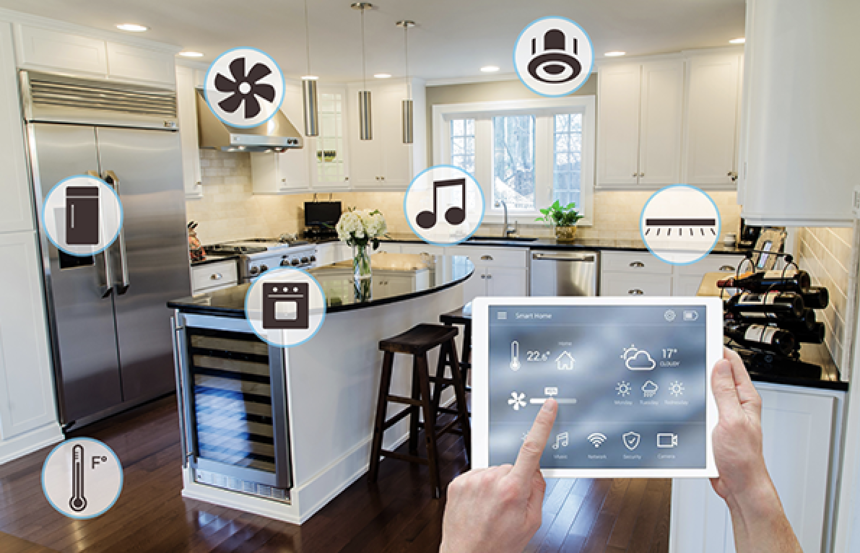
Apple’s smart home technology offers powerful automation tools. Many users prefer Apple for security and simplicity. Moreover, Apple devices work smoothly together. Therefore, building a smart home becomes easier. In addition, Apple ecosystem integration improves daily life convenience. Smart homes save time and energy. Likewise, they increase comfort and safety at home.
Furthermore, smart home technology is growing rapidly worldwide. Users want more control over home devices. Hence, Apple provides reliable solutions. Most importantly, privacy protection remains strong. Consequently, users trust Apple smart home systems. Transitioning to smart living feels simple with Apple products.
Choose the Right Apple Devices for Your Smart Home
Selecting the correct devices is essential. First, start with an Apple hub device. Apple TV or HomePod works as a control center. These devices manage automation commands efficiently. Next, connect your iPhone for control access. Your phone becomes the main remote control.
Additionally, ensure all devices support HomeKit technology. HomeKit allows seamless communication between devices. For example, lights and locks can work together. Meanwhile, sensors can monitor home security. As a result, automation becomes smarter and faster.
Moreover, check compatibility before purchasing devices. Some third-party devices also support Apple HomeKit. However, always verify product specifications. Otherwise, connectivity problems may occur later. Therefore, research carefully before buying.
Set Up Apple Home App for Automation Control
The Apple Home app controls all smart devices. First, install the Home app on your iPhone. Then, sign in using your Apple ID account. After that, start adding smart accessories.
Scan device QR codes to connect them. Follow on screen instructions carefully. Soon, devices will appear inside the app dashboard. Then, organize devices by rooms. This method improves management efficiency.
Besides that, create automation rules inside the app. For example, lights can turn on automatically at night. Similarly, doors can lock automatically. Automation increases home security significantly. Meanwhile, it reduces manual effort.
Improve Security with Apple Smart Home Technology
Security remains a top priority for smart homes. Therefore, use Apple security features wisely. Install smart locks on main doors. Add security cameras around entry points.
Furthermore, enable two-factor authentication on Apple ID. This step protects personal data. Also, update device software regularly. Updates fix security vulnerabilities quickly. Hence, hackers face difficulties accessing systems.
In addition, monitor home security remotely. Use iPhone notifications for alerts. For instance, receive alerts when motion is detected. Consequently, you can respond quickly to threats.
Control Lighting and Climate Systems Smartly
Smart lighting improves the home atmosphere. Start by installing smart bulbs. Then, connect them with Apple HomeKit. Adjust brightness using voice commands.
Moreover, create mood scenes inside the Home app. For example, create “Movie Mode” lighting settings. This setting dims lights automatically. Similarly, climate control becomes smarter with thermostats.
Additionally, schedule temperature settings daily. Smart thermostats learn user preferences. Over time, they adjust automatically. As a result, energy consumption decreases. Therefore, electricity bills also reduce.
Use Siri Voice Commands for Smart Control
Siri makes smart home control easier. Simply speak commands to control devices. For example, say, “Turn off bedroom lights.” Siri executes commands instantly.
Furthermore, Siri supports complex automation tasks. Ask Siri to lock doors before sleeping. Also, request temperature adjustments. Voice control adds convenience to daily routines.
However, ensure clear voice commands. Background noise may cause errors. Therefore, speak clearly and slowly. Eventually, Siri becomes more accurate with usage.
Integrate Entertainment Systems with Apple Ecosystem
Entertainment becomes smarter with Apple devices. Connect Apple devices to smart TVs. Stream music and videos easily.
Additionally, use AirPlay technology for sharing content. Share photos, videos, or presentations. This feature works smoothly across devices. Consequently, home entertainment becomes enjoyable.
Furthermore, create smart speaker groups. Play music in multiple rooms simultaneously. This feature enhances the overall experience. Many families enjoy synchronized audio playback.
Save Energy with Smart Home Automation
Energy saving is a major benefit. Smart homes reduce electricity waste. Automation systems switch off unused devices.
For example, program lights to turn off automatically. Similarly, adjust heating and cooling schedules. These practices reduce environmental impact.
Moreover, monitor energy usage reports. Apple Home app provides usage insights. Users can track consumption patterns. Therefore, they can optimize device usage efficiently.
Expand Smart Home Systems Gradually
Start small when building a smart home. Add new devices step by step. Do not purchase everything at once.
First, install basic automation systems. Then, upgrade security and entertainment systems. Gradual expansion reduces technical confusion.
Additionally, test each device properly. Check connectivity and performance. Make adjustments if needed. Eventually, build a complete smart ecosystem.
Troubleshooting Common Apple Smart Home Problems
Sometimes connectivity issues happen. Restart devices if the connection fails. Check Wi-Fi network strength.
Moreover, update firmware regularly. Old software versions may cause problems. Also, reset devices if necessary. Follow manufacturer guidelines carefully.
Furthermore, ensure stable internet connections. Smart homes depend heavily on network performance. Thus, reliable Wi-Fi is essential for smooth automation.
Future of Smart Homes with Apple Technology
Smart home technology continues evolving. Apple keeps improving automation features. New updates introduce better privacy protection.
Moreover, artificial intelligence will improve automation. Homes will learn user habits automatically. Therefore, living experiences will become more personalized.
In addition, more smart devices will support the Apple ecosystem. Compatibility will improve over time. Consequently, users will enjoy better performance.
Conclusion
Building a smart home with Apple technology offers many advantages. First, choose compatible devices carefully. Then, set up automation using the Home app. Next, improve security and entertainment systems.
Finally, expand your smart home gradually. Smart automation saves time and energy. Apple technology makes smart living reliable and secure. Therefore, start building your Apple smart home today. Enjoy comfort, control, and modern convenience every day.