

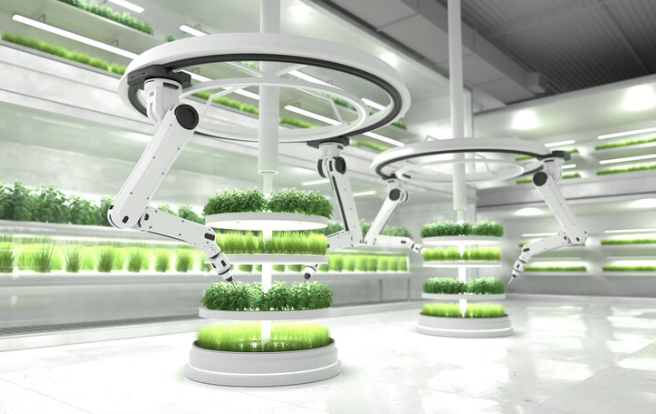
Artificial intelligence is transforming industries through faster decisions and powerful automation.
However, rising energy demands now threaten environmental balance and operational sustainability. Therefore, Green AI offers a responsible path toward eco-friendly innovation. At the same time, sustainable data centers improve efficiency while lowering carbon footprints. As a result, organizations increasingly connect AI performance with environmental responsibility.
Core Concepts Behind Green AI
Green AI emphasizes reducing energy usage throughout AI development and deployment. Instead of maximizing scale alone, it focuses on smarter algorithms and efficient systems. Additionally, performance evaluation now includes both accuracy and energy consumption. Consequently, innovation shifts toward balanced and responsible AI growth. Moreover, transparency strengthens trust among developers, businesses, and users.
Energy-Saving Techniques in AI Model Training

Training advanced AI models requires massive computing power. Therefore, energy-saving training methods become essential for sustainability. For instance, model pruning eliminates unnecessary parameters to speed computation. Similarly, quantization reduces numerical precision while preserving accuracy. Meanwhile, transfer learning reuses existing models to limit repeated training. As a result, organizations lower costs while conserving valuable energy resources.
Efficient Hardware for Sustainable AI Systems
Purpose-built hardware plays a vital role in reducing AI energy demands. For example, GPUs, TPUs, and NPUs deliver higher output using less power. Additionally, modern c
hip designs generate less heat during heavy workloads. Thus, cooling requirements decline while performance improves. Furthermore, hardware acceleration supports faster inference with reduced energy usage.
Designing Sustainable Data Centers

Data centers support every major AI operation worldwide. Therefore, sustainable infrastructure design remains a top priority. First, modular layouts improve flexibility and prevent excess resource allocation. Next, efficient power systems reduce losses during energy conversion. Meanwhile, intelligent monitoring tools track and optimize energy usage in real time. Consequently, facilities operate reliably with minimal environmental impact.
Innovative Cooling Technologies for Data Centers

Cooling accounts for a significant share of data center energy consumption. Hence, advanced cooling solutions deliver immediate efficiency improvements. For example, liquid cooling removes heat faster than traditional air systems. Similarly, immersion cooling protects servers while maximizing heat transfer. In suitable regions, free cooling uses outdoor air to reduce power demand. As a result, energy use decreases while equipment lifespan extends.
Renewable Energy in AI Infrastructure
Clean energy sources play a critical role in sustainable AI operations. Therefore, many data centers now rely on solar, wind, and hydroelectric power. Additionally, long-term energy agreements help stabilize operational costs. Meanwhile, battery storage systems ensure reliability during peak usage. Consequently, carbon emissions decline without affecting system performance.
AI-Powered Energy Management Systems

Artificial intelligence also enhances sustainability through smart energy control. For instance, predictive models adjust cooling and power distribution efficiently. Likewise, machine learning forecasts demand and allocates resources automatically. Thus, waste is minimized while performance remains stable. Moreover, automation simplifies operations and reduces human error.
Compliance and Sustainability Standards
Environmental regulations influence AI infrastructure decisions worldwide. Therefore, compliance encourages the adoption of greener technologies. Standards such as ISO 50001 support structured energy management practices. Additionally, reporting frameworks improve accountability and transparency. As a result, organizations build trust with investors and customers.
Business Advantages of Green AI

Green AI delivers both economic and strategic value. First, improved efficiency significantly lowers operating expenses. Next, sustainable practices strengthen brand reputation and customer loyalty. Furthermore, optimized systems support long-term scalability. Consequently, businesses gain stability in competitive digital markets.
Overcoming Challenges with Practical Solutions

Shifting to Green AI presents technical and organizational obstacles. However, gradual implementation reduces operational disruption. Moreover, collaboration between technical and sustainability teams speeds progress. Additionally, employee training ensures long-term success. Therefore, challenges become opportunities for innovation and growth.
The Future of Sustainable AI and Data Centers
Sustainable AI continues evolving alongside technological advancements. Consequently, energy efficiency will shape future AI development strategies. Meanwhile, cooling innovations will redefine data center architecture. Furthermore, renewable energy adoption will become standard practice. Ultimately, Green AI supports progress within environmental limits.
Conclusion: Advancing Toward a Greener AI Ecosystem
Green AI and sustainable data centers represent responsible technological growth. Therefore, efficient training methods and advanced cooling solutions remain essential. Moreover, true innovation balances performance with sustainability. As a result, organizations achieve long-term success while protecting the planet.