

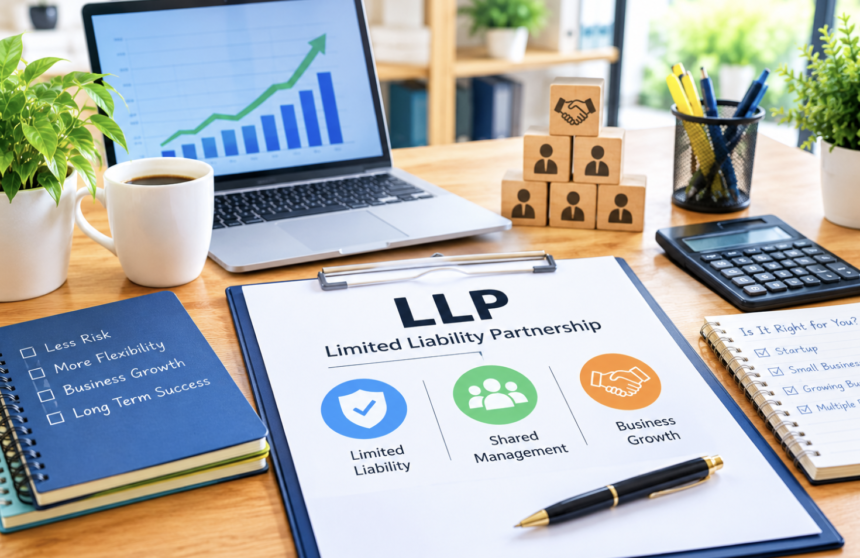
UK entrepreneurs launching a business with business partners frequently encounter the limited liability partnership structure as one option among several available business formats, yet many people remain uncertain about how this specific structure differs from alternatives like a standard partnership or limited company. What a limited liability partnership actually involves, and honestly evaluating whether this structure suits your specific business situation, provides valuable, practical guidance for this important business formation decision.
What a Limited Liability Partnership Actually Is
A limited liability partnership, commonly abbreviated as LLP, is a UK business structure that combines certain characteristics of a traditional partnership with the limited liability protection typically associated with limited companies. This structure allows business partners to work together with the flexibility traditionally associated with partnerships, while still providing meaningful protection against personal financial liability for business debts and obligations.
This hybrid combination matters, since it explains why LLPs have become a popular choice for certain types of businesses, particularly professional services firms, seeking the collaborative, flexible partnership structure while still avoiding the potentially significant personal financial risk that traditional, standard partnerships can expose individual partners to.
How LLPs Differ From Traditional Partnerships
The specific, distinction between LLPs and traditional, standard partnerships helps clarify this structure’s particular practical advantages for many business situations.
- Traditional partnerships expose partners to personal liability for business debts and obligations
- LLP structure limits individual partners’ personal liability, similar to limited company shareholders
- This liability protection represents the most significant practical distinction between these two structures
- This difference helps clarify why many partnerships specifically choose the LLP structure for this protection
This liability protection distinction deserves particular emphasis, since in a traditional, standard partnership, partners can face personal financial liability extending to their own personal assets if the business encounters significant debts or legal claims, while the LLP structure specifically limits this exposure, generally protecting partners’ personal assets beyond their actual investment in the business, representing a significant practical advantage for professionals concerned about this meaningful personal financial risk.
How LLPs Differ From Limited Companies
The practical distinctions between LLPs and traditional limited companies helps clarify why some businesses specifically choose the LLP structure over this alternative option.
- LLPs generally offer more operational flexibility regarding internal management structure compared to limited companies
- Limited companies typically involve more formal governance requirements, including specific director responsibilities
- LLP profit distribution arrangements can be structured more flexibly among partners compared to company dividend structures
- These differences helps clarify which structure better suits your specific business’s particular needs and preferences
Common Business Types Where LLPs Provide Particular Value
The specific types of businesses where LLP structure provides particularly significant, meaningful value helps illustrate this business format’s practical relevance for certain common UK business scenarios.
- Professional services firms, including many legal, accounting, and consulting practices, frequently choose this structure
- Businesses with multiple partners wanting collaborative structure with meaningful personal liability protection
- Situations where partners want more operational flexibility than a limited company structure typically provides
- These common scenarios helps clarify whether your specific business situation aligns with typical LLP use cases
This professional services prevalence deserves particular emphasis, since LLPs have become especially common among professional services firms specifically because these businesses often involve multiple partners wanting collaborative decision-making authority typical of partnerships, while also needing protection from the potentially significant personal liability that professional services work, sometimes involving substantial financial stakes or professional negligence risk, could otherwise create under a traditional partnership structure.
The Registration and Ongoing Requirements for LLPs
The practical, requirements involved in actually establishing and maintaining an LLP helps clarify what business owners should expect regarding this structure’s ongoing administrative obligations.
- LLPs require registration with Companies House, similar in some respects to limited company registration
- This structure involves ongoing filing requirements, including annual accounts and confirmation statements
- LLPs need at least two designated members who take on specific administrative responsibilities
- These requirements helps set realistic expectations for the ongoing administrative commitment this structure involves
Tax Considerations Relevant to LLP Structure
How LLPs are taxed differently compared to limited companies provides important, practical context relevant to this business structure decision, though this consideration warrants professional advice for your specific circumstances.
- LLPs are generally taxed similarly to traditional partnerships, with individual partners paying tax on their share of profits
- This differs from limited companies, which pay corporation tax before any distribution to shareholders
- These different tax treatment approaches can have significant financial implications depending on specific circumstances
- This distinction highlights why professional tax advice deserves consideration before finalising your business structure choice
The Trade-Offs LLP Structure Involves
LLP structure, despite its advantages, involves real trade-offs worth before making this important business formation decision.
- LLP structure requires at least two members, unlike limited companies which can have a single owner
- Some funding sources or business relationships may have preferences regarding specific business structures
- Public disclosure requirements for LLPs share similarities with limited companies, differing from private partnerships
- These trade-offs helps ensure your ultimate structure decision reflects your business’s complete situation
Practical Steps for Evaluating Whether an LLP Suits Your Business
Practical, guidance for evaluating whether LLP structure actually fits your specific business situation helps translate this into an informed, confident business formation decision.
- Honestly assess your need for personal liability protection given your specific business activities
- Consider whether your business involves multiple partners wanting collaborative management structure
- Evaluate the tax implications for your specific situation, ideally with professional accounting guidance
- Compare LLP structure against both traditional partnership and limited company alternatives for your specific needs
How LLP Agreements Govern Internal Partner Relationships
How the internal LLP agreement, separate from the formal registration process itself, governs practical relationships and decision-making among partners helps clarify an important, often underemphasised document within this business structure.
- LLP agreements establish how partners will actually make decisions and resolve potential disagreements
- This document typically addresses profit sharing, responsibilities, and procedures for partners joining or leaving
- Having a thorough, well-considered agreement helps prevent future disputes among partners
- This document’s importance helps clarify why professional legal input often proves valuable during LLP formation
How LLP Structure Affects Business Continuity Planning
How the LLP structure handles situations where individual partners want to leave or new partners want to join helps clarify practical, ongoing business continuity considerations relevant to this structure choice.
- LLP agreements typically address procedures for partner departure or new partner admission
- This flexibility allows the business to continue operating despite changes in specific partner composition
- These provisions before finalising your structure helps ensure long-term business continuity planning
- This consideration matters particularly for businesses anticipating potential future changes in partnership composition
How Professional Advice Supports Sound LLP Formation Decisions
Why consulting professional accounting and legal advice before finalising your LLP formation decision represents worthwhile investment, given this structure’s significant, lasting implications for your business.
- LLP formation involves legal and tax complexity that benefits from qualified professional guidance
- Professional advisers can help tailor your specific LLP agreement to your particular business circumstances
- This upfront investment in professional guidance often prevents costlier complications arising later
- This value helps justify the expense of professional consultation during business structure decisions
Final Thoughts
Limited liability partnerships provide UK businesses with multiple partners a valuable combination of collaborative, flexible partnership-style operation alongside meaningful personal liability protection more typically associated with limited companies, making this structure particularly popular among professional services firms.This structure’s practical advantages and its real requirements and trade-offs helps business owners make more informed, confident decisions about whether an LLP represents the appropriate formation choice for their specific business situation and goals.
Frequently Asked Questions
1. Can a single person establish an LLP on their own?
No, LLPs require a minimum of two members, making this structure specifically unsuitable for sole business owners, who would instead typically consider sole trader status or single-owner limited company structure as more appropriate alternatives.
2. Do LLP partners have complete protection from all business liability?
While LLP structure provides meaningful protection compared to traditional partnerships, this protection is not absolute, since partners can still face liability in certain circumstances, such as personal negligence or specific personal guarantees they may have provided.
3. How does LLP profit distribution work in practice?
LLP agreements typically specify how profits get distributed among partners, often allowing more flexible arrangements compared to standard company dividend structures, though this flexibility requires clear, well-documented agreement among partners regarding these specific distribution arrangements.
4. Is converting from a traditional partnership to an LLP straightforward?
This conversion process involves formal steps, including registration requirements, though many partnerships do successfully transition to LLP structure when they determine this format better suits their evolving business needs and liability protection priorities.
5. Do LLPs face the same public disclosure requirements as limited companies?
LLPs do have public disclosure obligations sharing similarities with limited companies, including filing annual accounts with Companies House, representing a difference from traditional partnerships, which typically do not face equivalent public disclosure requirements.
6. Should every multi-partner professional services business choose the LLP structure?
While common and often well-suited for professional services businesses, this decision should still involve careful, consideration of your specific circumstances, since particular situations may favour alternative structures depending on your business’s specific needs and priorities.