

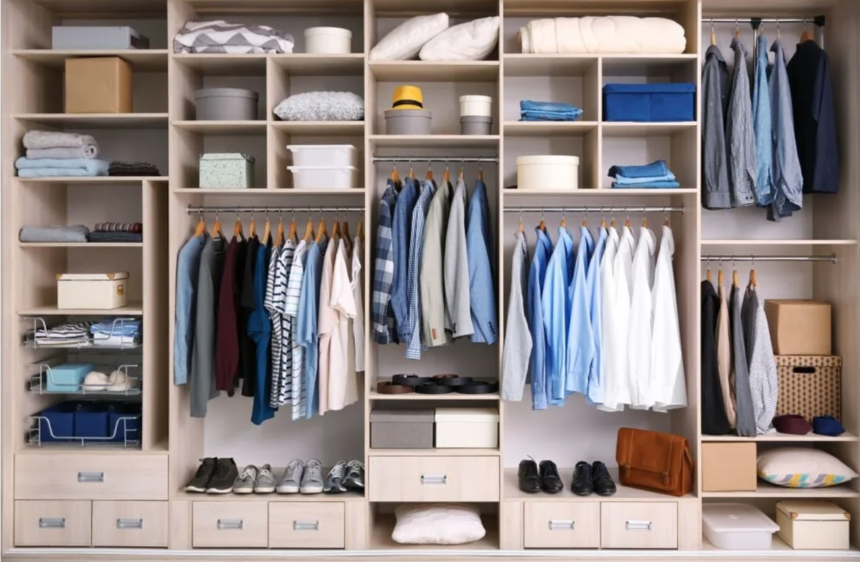
Growing awareness of fashion’s environmental impact has prompted many people to seek more sustainable approaches to building their wardrobe, yet this goal can feel difficult to reconcile with realistic household budgets, particularly given that sustainable fashion sometimes carries a considerably higher price tag than conventional alternatives. Practical, strategies for building a more sustainable wardrobe without requiring an unlimited budget provides valuable guidance for anyone wanting to align their clothing choices more closely with their environmental values.
Why Fashion’s Environmental Impact Matters
The specific, environmental considerations associated with conventional fashion production and consumption helps clarify why many people seek more sustainable alternatives to their typical clothing habits.
- Fashion production consumes considerable resources including water, energy, and raw materials
- Fast fashion’s rapid production and disposal cycle creates significant textile waste
- Manufacturing processes can involve environmentally harmful chemicals and processes without proper management
- These impacts helps motivate more thoughtful, deliberate approaches to clothing consumption
Why Buying Less Represents the Most Impactful Strategy
Why simply reducing overall clothing consumption represents perhaps the single most impactful sustainable fashion strategy, before considering specific purchasing approaches, helps clarify this important foundational principle.
- Reducing overall consumption addresses environmental impact more directly than any specific purchasing choice
- This principle applies regardless of whether specific purchases are labelled as sustainable or conventional
- Evaluating whether you actually need a new item before purchasing represents a valuable first step
- This consumption reduction approach also supports the budget-conscious goal of building a sustainable wardrobe affordably
This consumption reduction principle deserves particular emphasis, since even sustainably produced clothing still carries some environmental impact through its production, meaning the most fundamentally impactful sustainable fashion strategy involves simply purchasing fewer items overall, wearing existing clothing for longer, and being more selective about new purchases, an approach that conveniently also supports budget consciousness by naturally reducing overall spending on clothing.
How Secondhand Shopping Supports Both Sustainability and Budget Goals
Why secondhand and thrifted clothing shopping represents one of the most accessible, budget-friendly sustainable fashion strategies helps clarify this practical approach’s dual benefit.
- Secondhand clothing extends existing garments’ useful life without requiring new production
- This shopping approach typically costs considerably less than purchasing sustainable new clothing
- Secondhand shopping has become more accessible through both physical shops and online marketplaces
- This combination of environmental and financial benefit makes secondhand shopping appealing for budget-conscious sustainability
This dual benefit deserves particular emphasis, since secondhand shopping addresses both primary concerns simultaneously, avoiding the environmental impact of new production while also typically costing considerably less than purchasing new items, including new items specifically marketed as sustainably produced, making this approach one of the most practically accessible ways to build a more sustainable wardrobe without requiring a larger overall clothing budget.
The Value of Investing in Quality Versus Quantity
Why prioritising fewer, higher quality clothing items over larger volumes of less durable pieces represents a sound long-term strategy, despite sometimes requiring higher individual purchase prices.
- Quality garments last longer, reducing the frequency of replacement purchases over time
- This longevity can offset higher individual purchase prices through reduced overall replacement frequency
- Well-made clothing often maintains its appearance and function considerably better over extended use
- This long-term value calculation helps inform more cost-effective purchasing decisions over time
This long-term value calculation deserves particular emphasis, since evaluating clothing purchases based solely on immediate upfront cost can obscure the true overall cost when considering how frequently lower quality items typically require replacement, meaning a somewhat more expensive, durable garment that lasts several years can actually prove more cost-effective over time compared to repeatedly purchasing cheaper alternatives that wear out and require replacement considerably more frequently.
Practical Strategies for Building a Sustainable Wardrobe on a Budget
Concrete, practical strategies for actually building a sustainable wardrobe while maintaining budget consciousness helps translate this into actionable, everyday practice.
- Prioritise secondhand and thrifted shopping for the majority of your clothing needs
- Invest somewhat more in key, versatile pieces you will wear frequently over extended periods
- Learn basic clothing repair skills to extend the useful life of items you already own
- Consider clothing swaps with friends or community groups as a free way to refresh your wardrobe
How Clothing Care Extends Garment Lifespan
How proper, clothing care practices significantly affect how long your existing garments actually remain wearable helps clarify an important, often overlooked dimension of sustainable wardrobe building.
- Proper washing and care techniques help preserve fabric quality and garment structure over time
- Following care label instructions helps prevent premature wear or damage during regular washing
- Simple maintenance like addressing small repairs promptly prevents minor issues from worsening
- This care investment extends your existing wardrobe’s useful life, reducing the need for replacement purchases
This care investment deserves particular emphasis, since many garments wear out prematurely not due to inherent quality limitations, but rather due to improper washing, drying, or general care practices that gradually damage fabric and construction, meaning learning and consistently applying proper care techniques for your existing wardrobe represents a accessible, cost-free strategy for extending garment lifespan and reducing overall replacement needs.
How to Evaluate Sustainability Claims When Purchasing New Items
Practical approaches for evaluating whether specific new clothing purchases represent meaningful sustainability improvements, when you do choose to buy new items, helps clarify this important evaluative skill.
- Research specific brands’ environmental practices rather than relying solely on marketing claims
- Look for credible, independent certifications rather than vague, unsubstantiated sustainability language
- Consider material composition, since some fabrics carry different environmental impact profiles
- This informed evaluation helps ensure your occasional new purchases align with your sustainability goals
Why Building a Sustainable Wardrobe Represents an Ongoing Practice
Building a sustainable wardrobe represents an ongoing, evolving practice rather than a single, completed achievement helps set realistic, sustainable expectations for this lifestyle approach.
- Sustainable wardrobe building involves continuous, thoughtful decision-making rather than one-time transformation
- This ongoing practice allows for flexibility and gradual improvement rather than requiring immediate perfection
- This framing helps reduce potentially discouraging pressure to achieve instant, complete sustainability
- This realistic perspective supports sustainable, long-term engagement with these values over time
How Capsule Wardrobe Principles Complement Sustainable Fashion Goals
How building a more deliberately curated, versatile wardrobe supports both sustainability and budget consciousness simultaneously helps clarify a complementary strategy worth considering alongside the approaches already discussed.
- Focusing on versatile pieces that combine well together reduces the perceived need for constant new purchases
- This curated approach naturally supports both reduced consumption and more thoughtful, intentional purchasing
- Your existing wardrobe’s gaps helps make future purchases more deliberately useful and versatile
- This strategic thinking complements the specific purchasing and care strategies already discussed throughout this guide
How to Involve Children in Sustainable Fashion Habits
Practical, approaches for helping children develop sustainable fashion awareness from an early age helps extend these principles meaningfully within family contexts where clothing needs and habits often differ from adult considerations.
- Involving children in ]decisions about hand-me-downs and secondhand clothing helps normalise these practices
- Teaching basic care and repair skills helps extend children’s clothing lifespan despite rapid growth
- Modelling thoughtful, purchasing decisions helps children develop similar habits as they mature
- This family-oriented approach helps extend sustainable fashion values across different household members and needs
How Renting or Borrowing Clothing Provides an Additional Sustainable Option
How clothing rental and borrowing services offer an additional, worthwhile strategy for occasion-specific clothing needs helps round out the practical approaches available for building a more sustainable overall wardrobe.
- Rental services allow accessing special occasion clothing without permanent ownership and associated storage
- This approach particularly suits infrequently needed items, like formal event attire worn only occasionally
- Borrowing from friends or family for specific occasions provides a free, community-oriented alternative
- These options helps round out your available strategies for occasion-specific sustainable clothing needs
Final Thoughts
Building a sustainable wardrobe without requiring an unlimited budget comes down to prioritising reduced overall consumption, embracing secondhand shopping, investing thoughtfully in quality pieces, and properly caring for existing garments to extend their useful life. These practical, accessible strategies helps demonstrate that meaningful environmental consciousness in fashion remains achievable for budget-conscious consumers, rather than representing a lifestyle exclusively available to those with considerably larger discretionary spending capacity.
Frequently Asked Questions
1. Is secondhand clothing as good quality as buying new items?
This varies considerably by specific item and source, though secondhand shopping often rovides access to well-made, durable items originally sold at premium prices, sometimes offering superior quality compared to some budget new alternatives, making careful individual item evaluation worthwhile regardless of source.
2. How can I tell if a clothing brand’s sustainability claims are actually credible?
Look for specific, verifiable information rather than vague marketing language, research whether the brand has actual third-party certifications, and consider whether their claims address substantive practices rather than superficial marketing positioning alone.
3. Does building a sustainable wardrobe require an initially larger financial investment?
Not necessarily, since strategies like secondhand shopping require less upfront investment than purchasing new items, though prioritising some quality, versatile pieces may involve moderately higher individual costs offset by reduced long-term replacement needs.
4. Can I practice sustainable fashion while still following current clothing trends?
This requires some thoughtfulness, since constantly chasing trends conflicts somewhat with sustainability principles emphasising longevity and reduced consumption, though secondhand shopping and selective, considered purchases can help balance style interests with sustainability goals.
5. How do I know when it is appropriate to actually replace rather than repair an existing garment?
This involves, practical assessment of whether repair remains cost-effective and whether the garment still serves your needs, with items having sentimental value or high quality construction generally warranting repair consideration before assuming replacement represents the only viable option.
6. Is it possible to build a complete, functional sustainable wardrobe gradually over time?
Yes, and this gradual approach often proves more realistic and sustainable than attempting immediate, complete wardrobe transformation, allowing thoughtful, deliberate decisions as you naturally need new items rather than requiring dramatic, immediate lifestyle change.