
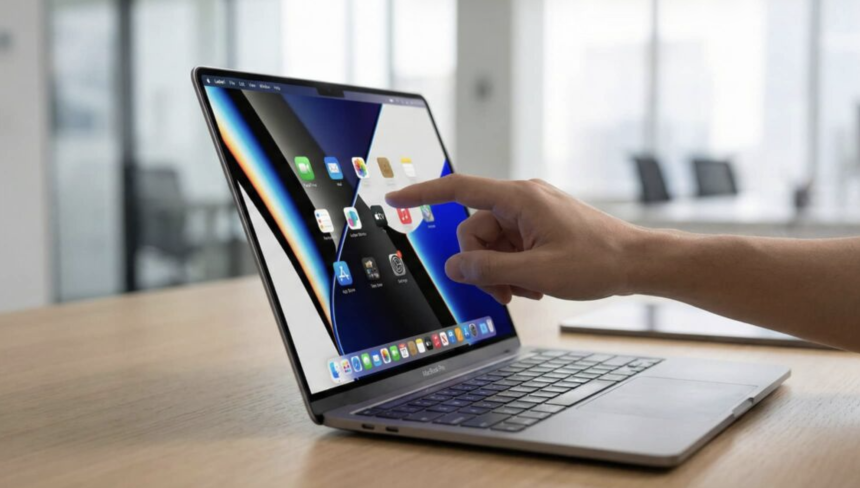
For years, the idea of a touchscreen MacBook seemed impossible. Apple has long stood firm against the concept, but recent reports suggest the company may be preparing to rethink its strategy. According to industry reports, Apple could launch a touchscreen MacBook Pro with an OLED display by the end of 2026. This move could reshape how users interact with Mac devices.
For over 15 years, Apple leaders publicly opposed touchscreen laptops. Company co-founder Steve Jobs once stated that touchscreen laptops were uncomfortable and impractical for long-term use.
Jobs explained during a 2010 preview of Mac OS X Lion that user testing showed touch laptops caused physical strain. He famously said users would experience fatigue after extended use because constantly reaching upward to touch a screen is not ergonomically ideal.
Why Apple May Change Its Approach
If the latest reports are accurate, Apple may now believe technology has evolved enough to solve past problems. Modern interface design could help make touch interaction more practical without replacing traditional keyboard and trackpad controls.
The rumored design would allow MacOS to maintain its classic desktop experience while adding selective touch features. Instead of replacing point-and-click navigation, touch menus would appear only when users tap the screen. This hybrid approach could help avoid usability issues seen in older hybrid systems like early versions of Windows 8.
What This Means for Users
The potential touchscreen MacBook Pro is expected to feature advanced OLED display technology, improving color accuracy and visual performance. Such upgrades could benefit creators, designers, and professionals who rely on high-quality visuals.
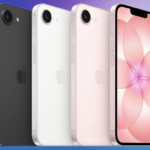
Meanwhile, Apple continues preparing new product launches. CEO Tim Cook recently hinted that new devices may arrive soon. The company is expected to release updated versions of the iPhone 17e along with refreshed iPad and Mac devices.
The Bigger Picture
The rumored touchscreen MacBook shows how Apple is gradually adapting to changing consumer expectations. As hardware and software improve, traditional boundaries between tablets and laptops continue to fade.
Whether this device becomes a reality or not, it reflects the future of computing. Users want smarter, more flexible devices that adapt to how they work and create.
Apple is expected to reveal more details during upcoming product events, where the company may showcase multiple new devices. The technology world will be watching closely to see if the touchscreen MacBook finally becomes part of Apple’s lineup.