

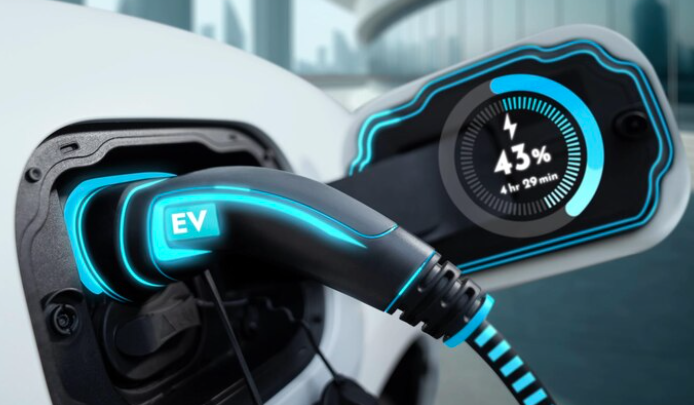
For the last ten years, the electric vehicle movement has relied heavily on standard lithium-ion batteries. They’ve done a decent job of cutting emissions and filling our roads with quiet, high-tech cars. However, if you talk to most EV drivers, they’ll mention the downsides: the fear of running out of charge (“range anxiety”) and the long waits at charging stations. Traditional liquid batteries are hitting a physical wall regarding how much power they can hold and how fast they can safely absorb it. By 2026, the industry is undergoing a massive shift with the rollout of solid-state batteries, a breakthrough designed to fix these lingering problems once and for all.
Defining the Solid-State Difference
The main difference lies in the name itself. In the electric cars of today, the electrolyte-the substance that moves ions between the two ends of the battery-is a liquid or gel. This fluid is flammable and needs heavy protective casing to stop leaks. Solid-state batteries swap this liquid for a solid electrolyte, usually made from materials like ceramics, glass, or sulfides. It is a major change in how the battery is built. Essentially, you are replacing a volatile liquid chemical mix with a stable, solid block. This one shift unlocks a whole host of benefits that tackle the biggest issues stopping people from buying EVs.
Prioritizing Safety: Eliminating the Fire Risk
Safety is arguably the most immediate advantage of this new technology. One of the biggest worries for people thinking about buying an EV is the rare but scary chance of battery fires caused by “thermal runaway” in liquid systems. Since solid-state batteries don’t use flammable liquids, they are much more chemically stable. They are far less likely to overheat or catch fire, even if the battery is damaged in an accident. This stability allows carmakers to remove some of the heavy, complex cooling systems used in current EVs, resulting in vehicles that are lighter and safer.
Expanding Range: The Energy Density Boost

For the average consumer, the most exciting improvement is the huge increase in energy density. Solid materials are much denser than liquids, meaning manufacturers can pack more energy-storing material into the same battery size. In the real world, this translates to cars that can drive much further on a single charge. While specs will vary by model, many 2026 vehicles are offering ranges that were previously unheard of for mass-market cars—easily surpassing 600 or even 800 miles. This effectively ends range anxiety, making electric cars a great option for long-distance travel without the constant stress of finding a charger.
Refueling at Gas Station Speeds
Another huge plus is the ability to charge incredibly fast. Standard liquid batteries are sensitive; pumping too much power into them too quickly can cause damage and safety risks. Solid-state batteries are tougher and can handle high-power charging without wearing down. By 2026, we are seeing chargers that can top up a car in ten to fifteen minutes, making the experience almost identical to filling up a gas tank. This level of convenience is essential for getting the general public to switch from gas to electric.
Resilience and Winter Performance
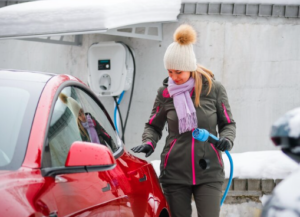
Solid-state batteries are also more durable than their liquid ancestors. They degrade much slower over time, so the car keeps its range and value much longer. On top of that, they perform far better in the cold. Liquid electrolytes get thick and sluggish in freezing temperatures, which drains power and range. Solid materials don’t have this issue, making 2026 EVs far more reliable for drivers living in cold climates.
The Final Verdict
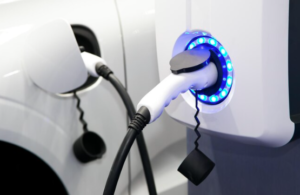
The widespread move to solid-state batteries in 2026 signals that the electric vehicle has finally grown up. The conversation shifts from “EVs are cool, but…” to “EVs are simply better.” By providing top-tier safety, amazing range, and super-fast charging in a lighter, longer-lasting package, this technology removes the last excuses for not going electric. We are moving past the experimental phase into an era where the electric car beats the gas engine in every way that counts.