

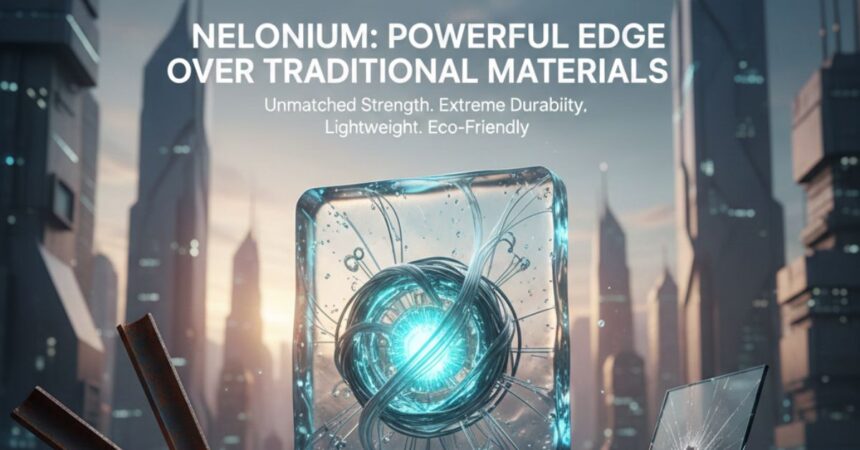
Introduction to Nelonium and Traditional Materials
In a world where innovation drives progress, the materials we choose play a pivotal role in shaping our industries. Enter nelonium a revolutionary substance that is making waves and challenging traditional materials across various sectors. But what exactly sets nelonium apart? This unique material boasts an array of properties that promise enhanced performance and sustainability. As industries evolve, understanding the strengths and weaknesses of new options like nelonium against time-tested materials becomes crucial for decision-makers.
Let’s dive into this comparative analysis to uncover how nelonium stacks up against its traditional counterparts!
Overview of Nelonium and its Properties
Nelonium is a groundbreaking material gaining attention across various sectors. It possesses unique properties that set it apart from traditional materials.
This composite combines high strength with lightweight characteristics, making it ideal for applications requiring durability without added bulk. Its resistance to extreme temperatures and environmental conditions enhances its versatility.
Additionally, nelonium exhibits remarkable flexibility, allowing for innovative designs in manufacturing and construction. The material also boasts excellent corrosion resistance, ensuring longevity even in harsh environments.
Another key property is its eco-friendliness. Nelonium can often be recycled or repurposed, aligning well with sustainable practices in modern industries.
These attributes have positioned nelonium as a strong contender against conventional materials like metal and plastic in numerous applications.
Read More: Jememôtre Revealed: Modern Practices Redefined
Benefits of Nelonium over Traditional Materials
Nelonium stands out for its remarkable strength-to-weight ratio. This property allows products made from nelonium to be both lightweight and incredibly durable.
Another advantage is its resistance to corrosion and wear. While traditional materials can degrade over time, nelonium maintains its integrity even in harsh environments.
The material also boasts excellent thermal stability. It can withstand extreme temperatures without losing performance, making it a reliable choice across various applications.
Moreover, nelonium is eco-friendly compared to many conventional options. Its production process generates less waste and requires fewer resources, appealing to environmentally-conscious industries.
The versatility of nelonium cannot be overlooked. It can be molded into complex shapes that are often impossible with traditional materials, opening up new design possibilities for manufacturers.
Drawbacks of Nelonium
While Nelonium presents numerous advantages, it is essential to acknowledge its limitations. One significant drawback is the initial cost of production. Manufacturing Nelonium can be more expensive than traditional materials, which may deter some businesses from making the switch.
Another concern lies in its long-term environmental impact. Although it boasts durability and resilience, questions remain about recyclability and disposal methods at the end of its life cycle.
Additionally, Nelonium’s unique properties might not suit every application. Certain industries may still find conventional materials perform better for specific tasks or environments.
As a newer material on the market, there can be a lack of established standards and regulations governing its use. This uncertainty could hinder widespread adoption in certain sectors where compliance is crucial.
Comparison of Cost and Durability
When evaluating nelonium against traditional materials, cost and durability play vital roles. Nelonium, often perceived as a premium choice, offers significant long-term savings. Its resistance to wear means fewer replacements are needed over time.
Traditional materials can be cheaper upfront but frequently incur hidden costs related to maintenance and replacement. This factor can quickly add up, making them less economical in the long run.
On the other hand, nelonium’s exceptional durability allows it to withstand extreme conditions without losing integrity. Industries that rely on heavy use particularly benefit from this resilience.
While initial investments may vary significantly between options, considering lifecycle costs is essential for informed decision-making. Durability paired with reduced frequency of repairs makes nelonium an attractive option for many applications.
Applications and Industries for Nelonium
Nelonium is making waves across various sectors due to its unique properties. Its lightweight yet durable nature makes it an excellent choice for the aerospace industry. Engineers are using Nelonium in aircraft components, enhancing fuel efficiency.
In construction, Nelonium is gaining traction as a viable alternative to traditional building materials. Its resistance to corrosion and environmental stressors ensures longevity in structures exposed to harsh conditions.
The automotive sector also benefits from this innovative material. Manufacturers are incorporating Nelonium into vehicle parts, resulting in lighter cars that improve fuel economy without compromising safety.
Moreover, the electronics industry is tapping into Nelonium for packaging and insulation solutions. The non-conductive properties of this material help protect sensitive equipment while keeping weight minimal.
Healthcare applications are emerging as well. From medical devices to prosthetics, Nelonium’s biocompatibility positions it as a promising option where reliability is key.
Case Studies: Real-world Examples of Nelonium Usage
Case studies showcasing nelonium highlight its versatility and effectiveness across various sectors.
One notable example comes from the aerospace industry. A leading manufacturer integrated nelonium into their aircraft components, resulting in a 20% weight reduction without sacrificing strength or durability. This innovation has led to improved fuel efficiency.
In the medical field, nelonium is making waves as well. A hospital implemented it in surgical tools due to its resistance to corrosion and ease of sterilization. The result was fewer post-operative infections and enhanced patient safety.
The automotive sector also benefits from this advanced material. An electric vehicle company utilized nelonium for battery casings, allowing for better thermal management while reducing overall costs.
These instances demonstrate how nelonium is reshaping industries by offering superior performance compared to traditional materials. Each application reveals new possibilities that continue to expand its presence in the market.
Future of Nelonium in Various Industries
The future of nelonium looks promising across multiple sectors. As industries embrace advanced materials, nelonium stands out due to its versatility and innovative properties.
In construction, this material could revolutionize building practices. Its lightweight nature combined with exceptional strength makes it ideal for developing sustainable structures.
Automotive manufacturers are also exploring nelonium for parts that require high durability while minimizing weight. This shift can lead to more fuel-efficient vehicles.
Healthcare has not been left behind either. With its potential applications in creating biocompatible devices, nelonium may pave the way for breakthroughs in medical technology.
Additionally, the aerospace industry is eyeing this material as a way to enhance performance and reduce costs associated with traditional components.
As research continues, we might see further advancements unlocking new uses for nelonium in unexpected areas. The possibilities seem endless as innovation drives exploration into these emerging frontiers.
Conclusion
The growing prominence of nelonium in various industries highlights its potential to revolutionize traditional practices. As more businesses recognize the benefits, we are likely to see a shift towards this innovative material.
With unique properties that offer advantages like enhanced durability and lower environmental impact, nelonium stands out as a compelling alternative. While it does come with some drawbacks, such as initial costs or limited availability in certain regions, the long-term gains can be substantial.
As industries continue to evolve, so too will the applications for nelonium. Whether it’s in construction, manufacturing, or consumer products, this material is poised to make a significant mark. Real-world case studies demonstrate its effectiveness and versatility across multiple sectors.
Looking ahead, it’s clear that nelonium has an exciting future waiting to unfold. The ongoing research and developmen
t efforts promise even more advancements that could further enhance its appeal. Embracing new materials like nelonium may just be the key to driving innovation forward while meeting modern sustainability demands.
Read More: LIBERTY DAILY