

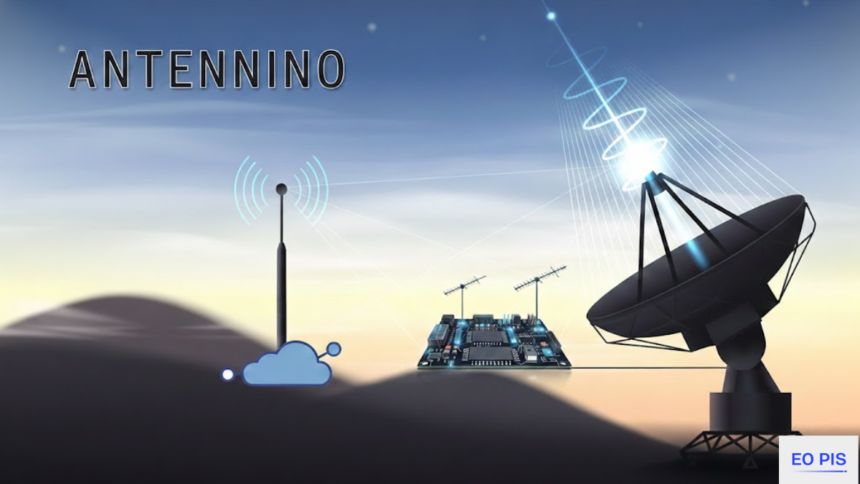
Introduction to Antennino
Imagine a world where your everyday devices can communicate seamlessly, making life simpler and smarter. Enter Antennino, the small wireless Arduino board that is quietly revolutionizing how Internet of Things (IoT) projects come to life. This tiny powerhouse packs a punch with its impressive capabilities, transforming complex ideas into tangible solutions.
With technology advancing at lightning speed, the need for innovative tools has never been greater. Antennino stands out as an essential component for makers and developers looking to push boundaries in their IoT applications. Its unique features not only simplify project execution but also open doors to endless possibilities.
Curious about what makes Antennino so special? Let’s dive deeper into this remarkable device and explore how it’s changing the game for IoT enthusiasts everywhere.
What is an Arduino Board?
An Arduino board is a versatile microcontroller platform that makes programming and electronics accessible to everyone. It serves as the brain for countless projects, allowing users to create interactive devices with relative ease.
These boards come in various models, each tailored for specific tasks. The most popular ones include Arduino Uno, Mega, and Nano. They all share a common feature: an open-source design that fosters innovation within the maker community.
Arduino boards integrate both hardware and software components seamlessly. The accompanying Arduino IDE (Integrated Development Environment) simplifies coding by offering libraries and examples for beginners.
With numerous input/output pins available, users can connect sensors, motors, LEDs, and other electronic elements effortlessly. This flexibility opens doors to endless possibilities—whether it’s building simple gadgets or complex automated systems.
The Advantages of Using Antennino
Antennino stands out in the crowded IoT landscape due to its compact design. Its small size allows for seamless integration into various projects without taking up significant space.
Another advantage is its wireless capabilities. This feature eliminates cumbersome wiring, making installations cleaner and more efficient. Developers can position their devices freely, enhancing creativity in project designs.
Power efficiency is another strong point. Antennino consumes less energy compared to traditional boards, which extends battery life for portable applications.
Moreover, compatibility with existing Arduino libraries simplifies the development process. Users can tap into a wealth of resources and community support without starting from scratch.
It’s cost-effective. Antennino delivers robust performance at an affordable price, making it accessible for hobbyists and professionals alike who want to innovate without breaking the bank.
Features of Antennino
Antennino stands out with its compact size, making it ideal for space-constrained projects. Its wireless capabilities allow seamless connectivity to various IoT devices, eliminating cumbersome wiring.
The board supports multiple communication protocols, enhancing versatility in applications. Developers can easily integrate Antennino into existing projects or create entirely new solutions without compatibility issues.
An impressive power efficiency means longer battery life for remote installations. This feature is crucial for sensors and devices operating in hard-to-reach locations where power sources are limited.
Built-in security features ensure data integrity during transmission. Users can trust that their information remains safe while connecting to the cloud or other networks.
Antennino’s user-friendly interface simplifies programming and setup processes. Even beginners can get started quickly, empowering a wider range of creators to dive into the world of IoT innovation.
How Antennino Works
Antennino operates on a simple yet effective principle. This small wireless Arduino board leverages cutting-edge technology to communicate seamlessly with various devices.
At its core, Antennino utilizes low-power wireless protocols. These allow it to connect effortlessly to the Internet of Things (IoT). Whether you’re monitoring environmental conditions or controlling smart home devices, Antennino can handle it all.
The integration of sensors adds another layer of functionality. Users can gather real-time data and make informed decisions based on that information. Think temperature readings, humidity levels, or even motion detection.
Programming Antennino is straightforward too. With its compatibility with standard Arduino IDEs, developers can quickly write codes tailored for specific applications. This flexibility makes it an ideal choice for both beginners and seasoned engineers looking to innovate in their projects.
Its compact size does not compromise performance either; rather, it enhances versatility across various use cases.
Real-Life Examples of Antennino in Action
Antennino is making waves in various industries, showcasing its potential. In agriculture, farmers utilize Antennino for real-time monitoring of soil moisture levels. This helps optimize irrigation and conserve water.
In smart homes, the device allows seamless integration with home automation systems. Homeowners can control lights and appliances remotely using their smartphones.
Healthcare applications are also emerging. With Antennino, medical professionals can track patient vitals through wearable devices that communicate wirelessly to central systems.
Moreover, environmental monitoring has become more efficient with Antennino-based sensors measuring air quality in urban areas. Cities are gaining insights into pollution levels in real time.
These examples illustrate how versatile and impactful this small board truly is across multiple sectors. Innovation continues as developers find new ways to harness its capabilities every day.
Future Potential and Developments
The future of Antennino is brimming with possibilities. As technology continues to evolve, so does the potential for this innovative wireless Arduino board. Developers are exploring ways to integrate more advanced sensors and connectivity options, enhancing its capabilities.
Imagine smart cities where Antennino plays a pivotal role in managing traffic lights or monitoring air quality. Its small size makes it ideal for discreet placements in urban environments, seamlessly connecting various IoT devices.
Moreover, as machine learning becomes more accessible, we might see Antennino boards that can learn from their surroundings. This could lead to smarter automation solutions across industries like agriculture and healthcare.
Collaborations between developers and researchers promise exciting advancements too. The growing community around Antennino will undoubtedly accelerate innovations and applications that we have yet to imagine.
Conclusion
Antennino is changing the game for IoT projects. Its compact design and wireless capabilities make it a strong contender in the world of Arduino boards. With its unique features, users can create innovative solutions that were once complicated or even impossible.
As more developers recognize Antennino’s potential, we will likely see an influx of creative applications across various industries. From smart agriculture to environmental monitoring, this little board promises to simplify complex tasks while enhancing connectivity.
With ongoing advancements and community support, Antennino could redefine how we approach Internet of Things projects. The future for this small yet powerful device is promising, paving the way for smarter homes and cities. As technology evolves, so too will our ability to harness its power—all thanks to innovations like Antennino.