


A letter arriving weeks after a supermarket, retail park or hospital visit, demanding money for parking, is one of the most common consumer frustrations in the UK. These charges are issued by private companies rather than councils, and they follow different rules from the penalty notices that local authorities send.
In this article we will explore how private parking charges work, what the law and industry codes say, how to appeal in the right order, and what happens if a dispute goes on to debt collectors or court.
A private parking charge is not a fine
Many people open a parking letter and assume it is a legal penalty, because the wording is often written to look official. In fact a private parking charge is an invoice. The landowner, through a parking company, says that by entering the car park you agreed to the posted terms, and that you broke those terms by overstaying, not paying, not displaying a permit or parking in the wrong place. If you disagree, the matter is a civil dispute between you and the operator, and only a court can decide who is right.
This is very different from a penalty charge notice issued by a local council for a parking contravention on the public highway or in a council car park. Council notices are issued under statutory powers, they have a set appeals route with independent adjudicators, and unpaid charges can lead to enforcement action through a formal registration process. Private operators have none of those powers. They rely on contract law, and so their only route to forcing payment is to take you to court and win.
The terminology is a useful clue. A council issues a penalty charge notice. A private company issues a parking charge notice, a parking charge, a parking invoice or sometimes a notice to keeper. Reading the top of the letter and finding the issuing organisation is the first step in any dispute, because the rights and appeal routes differ completely depending on who sent it.
| Feature | Council penalty charge notice | Private parking charge notice |
| Who issues it | Local authority or its enforcement contractor | Private company on behalf of a landowner |
| Legal basis | Statutory traffic powers | Contract, or trespass in some cases |
| First step if you disagree | Informal challenge to the council | Appeal to the parking company |
| Independent route | Traffic Penalty Tribunal or London Tribunals | POPLA or the Independent Appeals Service |
| Can bailiffs be used straight away | Only after formal registration steps | No, only after a court judgment |
| Where to check the rules | GOV.UK and the tribunal | Trade body code, GOV.UK, Citizens Advice |
Many readers confuse the two systems and use the wrong appeal route, which wastes time. A letter from a company with a name that sounds like an authority, for example one including the word enforcement, does not make it a public body. If you are unsure, compare the issuing name with the list of councils in your area, or check with Citizens Advice before you reply.
Where private operators get their powers
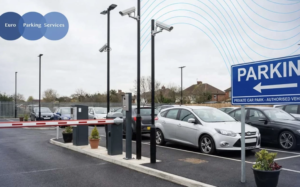
A private parking company does not own the land it manages. It acts under an agreement with the landowner or the tenant who controls the car park, such as a retailer, a leisure centre or a housing association. That agreement gives the operator authority to put up signs, issue charges and, in most cases, keep some or all of the income. The strength of any claim therefore depends partly on whether the operator really held that authority on the day you parked, and you are entitled to ask for evidence of it when you appeal.
Most operators belong to an accredited trade association, and this matters a great deal. The two main ones are the British Parking Association and the International Parking Community. To obtain keeper details from the Driver and Vehicle Licensing Agency, an operator must be a member of one of these bodies and must follow its code of practice. The codes set out standards for signs, for how long the notice should give you to leave, for how appeals are handled and for the behaviour of staff and contractors.
Because the codes are industry codes rather than acts of Parliament, they work in the background. A breach of the code is not automatically a defence to the charge, but it is a strong point to raise in an appeal and can lead to an operator losing access to keeper data if it is repeated. The independent appeals services use the code as a yardstick, so quoting the relevant section in your appeal often helps.
Parliament has also passed legislation intended to create a single, government-approved code of practice and a single independent appeals arrangement for private parking in England, Scotland and Wales. Because the timetable for bringing such changes into effect can move, you should check GOV.UK for the position that applies when you receive your notice. Until any new system is fully operating, the existing trade body codes and appeals services remain the main routes.
Data protection is another area to know about. Operators who photograph your number plate and obtain your address from the licensing agency are handling personal data, and they must do so lawfully and fairly. You can ask an operator what information it holds about you, and you can complain to the Information Commissioner’s Office if you think your data was used improperly. A complaint about data handling does not cancel a charge by itself, but it can show that the operator is not following its own obligations.
Finally, bear in mind that the amount asked for is not set by any public body. The codes say that the charge should be reasonable and tied to the cost of running the scheme and the purpose of managing the space. If the amount looks far higher than the loss the landowner could have suffered, that is a fair point to raise in an appeal, even though courts have accepted fixed sums in some settings.
Signs, grace periods and the contract you accept

Signage is where most private parking disputes are won or lost. The legal argument is that a driver who enters the car park and sees clear terms accepts them by parking. For that to be fair, the terms must be visible, legible and prominent enough for a driver to see before leaving the vehicle. The Supreme Court decision in the case known as ParkingEye v Beavis in 2015 upheld a charge in a retail car park because the signs were clear and the charge served a legitimate interest, so clear signage was a central part of why the operator won.
That decision does not mean every charge is valid. It means that where signs are plain, prominent and the charge is not extravagant compared with the legitimate aim of managing the space, a court may uphold it. Where signs are missing, hidden behind a hedge, too small to read from a car, or confusing, the picture changes. Photographs of the entrance, the bay where you parked and the nearest signs, taken as soon as you can, are often the best evidence available.
The industry codes also address time. A parking period usually ends at a stated time, but drivers are expected to be given a short period after it to leave, and a short period before it to find a space, read the signs and decide whether to stay. The length of these grace periods is set by the code, so check the current version, and remember that they may not apply to a driver who has plainly decided to stay and has no intention of leaving. In many retail car parks the system relies on automatic number plate recognition cameras, which record entry and exit times, so a few minutes can matter.
Other points often raised on signage include whether the charge amount was shown, whether the signs make clear who the operator is, whether the terms apply to the exact bay, and whether a reduced amount for prompt payment is described clearly. A sign that only mentions a vague possibility of a charge, without stating the amount, may be open to challenge. If you notice that the terms posted at the entrance differ from those near the bays, photograph both and mention the difference.
Some places raise their own questions. Hospital car parks, residential estates and workplace car parks often use permits, registration lists or time-limited visitor systems, and mistakes are common when a visitor is asked to enter a registration on a tablet or at a reception desk. Disabled drivers who display a badge should check whether the operator recognises it on that site, because private landowners are not bound by the same rules as councils on badge concessions. If a charge arises from a system error or a missed registration entry, tell the operator exactly what happened and give the name of the person who could confirm the visit.
Keepers, drivers and the notice to keeper
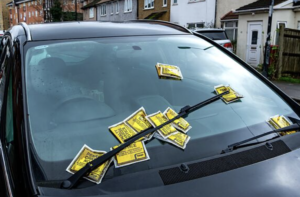
A common source of confusion is the difference between the driver and the registered keeper. The driver is the person who parked the car, while the registered keeper is the person recorded with the Driver and Vehicle Licensing Agency as responsible for the vehicle, who may not be the same person. Under legislation that applies in England and Wales, an operator that follows a strict procedure and meets set conditions can pursue the keeper for an unpaid charge if the driver is not identified. This is often called keeper liability.
The procedure is detailed. The operator must send a notice to keeper within time limits set out in the law, and it must contain specific information, such as a description of the alleged breach, the amount, how to pay and what happens if the charge is not paid. If the operator misses a time limit or omits required wording, the keeper may have a strong argument that the right to pursue them has not arisen. This is a technical area, so when your letter arrives, note the date of the alleged parking and the date of the notice, and check them against the guidance on GOV.UK and the codes.
You are not legally required to name the driver, but you should think carefully about your position. If you were the driver, saying so can be risky if you are not sure the operator has a valid claim, yet failing to engage can leave you as the person pursued. If you were not the driver and you know who was, you may choose to tell the operator, though there is no automatic duty to do so. If you are a company or a hirer, different rules apply, such as those for hire vehicles, where the hire company can pass on the charge by supplying the details of the hirer.
Keeper liability does not apply in Scotland in the same way, and rules in Northern Ireland differ again, because the relevant legislation was written for England and Wales. In Scotland the operator generally has to pursue the driver, which can be harder for them if the driver cannot be shown to be the keeper. Operators sometimes still send letters in Scotland and Northern Ireland that read as if they have full keeper rights, so it is worth reading the legal wording carefully and getting advice from Citizens Advice Scotland, Advice NI or a local advice agency.
Appeals step by step

The appeal process begins with the operator. Almost every code and appeals service expects you to appeal to the company first, and the independent stage only becomes available if the company rejects you or does not respond. Because the clock matters, look at the notice as soon as it arrives and work out the deadlines it states. Appealing quickly also tends to keep any early payment discount available in some systems, although you should check the exact terms on the notice.
Begin by gathering evidence. Useful items include photographs of the signs, the entrance, the bay and any machine or sign that was not working, a receipt or bank statement showing payment, a permit, a hospital appointment letter, a breakdown report, a record of a medical emergency, or a statement from a witness. Write down what happened as soon as you can, while it is fresh, including the date, the time and where you parked. If you have a legitimate reason, such as a payment machine that was broken or a mobile phone payment that failed, say so clearly and attach the proof.
Next, write your appeal in plain English. Give the notice reference and the vehicle registration, say you are appealing, set out your grounds in short numbered points, and attach your evidence. Avoid long emotional letters and avoid template text that does not match your facts, because appeal assessors read many identical letters and give less weight to them. Keep a copy, and send it by a method that gives a record, such as the operator’s online appeal form, followed by an email or recorded post if appropriate.
| Common ground of appeal | What to show |
| Signs were unclear or missing | Dated photographs of entrance, bay and nearest signs |
| Payment was made | Receipt, bank statement or app record with the correct registration |
| Typing error on registration | Proof of the correct number and evidence of payment time |
| Permit or exemption applied | Permit, badge details or written permission |
| Breakdown or emergency | Garage record, recovery report or medical evidence |
| Notice to keeper was late or incomplete | Dates on the letter and the alleged parking date |
| Grace period not allowed | Camera times, tickets or witness statement |
| Charge was extravagant or unfair | Details of terms and amount compared with the space managed |
Tone and timing deserve a word. Appeal assessors respond best to calm, specific points, so say what you saw and what you did, and avoid arguing that private parking firms should not exist. If your reason is personal, such as illness, bereavement or a caring emergency, say so briefly and offer proof, because some operators use discretion and cancel the charge at the first stage. Never send originals of documents, only copies or clear photographs, and note the date and method of every message you send so that you can show your appeal was made in time.
Another practical point is the reduced payment offer. Many notices state that the amount drops if paid within a set number of days, and some operators say that appealing does not stop that period running, while others pause it. Read the notice and the code carefully, because paying under protest can end the dispute and remove your right to challenge. If you intend to pay only if the appeal fails, check whether the operator will hold the discount open and ask for that in writing.
Operators commonly reject first appeals, so a refusal does not mean you have lost. Read the rejection letter closely, because it should explain the reason and tell you how to take it to the independent stage and by when. If you are told you have a limited period, diarise it and act in good time.
Independent appeals through POPLA and the Independent Appeals Service
If the operator rejects your appeal and belongs to the British Parking Association, you can usually take the matter to Parking on Private Land Appeals, known as POPLA. If the operator belongs to the International Parking Community, the independent route is generally the Independent Appeals Service. The rejection letter should name the one that applies and give a code or reference to use, so keep it safe. Using the wrong service, or missing the time limit, may close the door.
At this stage you are asked to set out your case again, usually through an online form, and you can attach evidence. The assessor reads both sides, then decides whether the operator has shown that the charge was properly issued and whether your arguments succeed. It is useful to respond to anything the operator says in its evidence pack, point by point, because the operator has the opportunity to show photographs and logs that you have not seen. If you spot an inconsistency, such as a time that does not match a photograph, mention it.
The two services differ in procedure and in how binding decisions are on each side. In general, a successful appeal means the charge is cancelled and the operator should take no further action. If you lose, you are not necessarily obliged to pay, and the operator would still need to take you to court to enforce it, though you should think seriously about your position and the risk of costs. Some decisions under one system bind the operator but not the motorist, and details can change, so check the current rules on the service’s website and in the code.
Independent appeals are free to use for the motorist, which makes them worth trying where you have a reasonable case. Keep the tone factual, avoid personal attacks, and stick to points the assessor can test against the evidence. If you are not confident, free help is available from Citizens Advice, and some consumer organisations publish template letters, though you should adapt them to your own facts rather than copy them word for word.
Debt collectors, court claims and ignoring letters
After the appeal stage, the operator may pass an unpaid charge to a debt recovery company or a firm of solicitors. The letters are often firm in tone, may add an extra amount and may threaten court. A debt collector has no more power than the operator, and a letter from one does not prove that the charge is valid. It does, however, show that the operator wants to recover the money, so replying in writing, briefly, and referring to your appeal is usually better than silence.
Extra fees added by recovery companies are a frequent subject of complaint. Consumer groups and courts have looked at whether such additions are justified, and judges have not always allowed them. If you decide to pay a charge, ask for a breakdown, and check that the amount matches the original sum on the notice or a reasonable reduced amount. If a firm claims to be a solicitor, you can check its regulation with the Solicitors Regulation Authority, which regulates solicitors in England and Wales.
If an operator decides to sue, the first formal step is usually a letter before claim, which should explain the claim, the evidence and how you can respond. Take it seriously, because court claims follow set pre-action steps and deadlines, and ignoring a claim form can lead to a judgment against you by default. A county court judgment can affect your ability to borrow, so it is a risk you should avoid. In England and Wales you can usually respond online or by post, and you may be able to admit, defend or ask for time to pay, so read the form carefully and seek advice.
In Scotland, claims are heard in the sheriff court, and in Northern Ireland the procedure differs again, so confirm the process with a local advice agency. If you are on a low income or struggling with debts, MoneyHelper and StepChange offer free guidance, and Citizens Advice can help you prepare a defence. Court costs and fees in small claims are generally limited, which affects an operator’s decision to sue, but this is not a reason to ignore a claim, since each case is judged on its own facts.
Do not confuse a real court summons with a letter that only imitates the look of one. A real claim form comes from the court and carries a claim number, whereas a recovery company letter with a bold heading and a deadline is still only a letter. If you are unsure which you hold, contact the court named on the form, or ask an adviser, before you decide how to respond. Never give card details to a caller or an email sender who claims to represent a parking firm, and report suspected scams to Action Fraud.
Keep perspective on cost and risk. A reduced payment is sometimes the sensible choice when your case is weak, but a firm appeal is worth making when the evidence is good, because many charges are cancelled at one of the appeal stages. Whatever you decide, record the reasons for your choice in your file.
Conclusion
When a private parking charge arrives, start with a calm check of the basics. Identify who sent it, whether it is a private notice or a council notice, the date and place of the alleged breach, and the deadline for any reduced payment or appeal. Check whether you were the driver, and whether the vehicle was yours, hired or borrowed. Then collect your own evidence before it disappears, such as photographs, receipts and your phone location history.
Decide your route. If you believe the charge is wrong, appeal to the operator in writing and keep it factual. If you accept that you broke the terms and the charge is reasonable, paying promptly may save money and stress, though you should consider whether the signage and the amount were fair. If you are unsure, free advice from Citizens Advice, a local law centre or MoneyHelper can help you weigh up the risk.
Keep a simple file with the notice, your appeal, the replies, dates and the proof of postage. If the operator rejects your appeal, move to the independent stage within the time allowed. If you receive a court claim, do not ignore it, and seek advice quickly. To prevent the problem in future, read the signs before you leave your car, take a photograph of the terms, pay with the correct registration and keep proof, and leave a margin of time, especially in car parks that use cameras.